A Functional Medicine Approach to Chronic Allergies in Charleston, SC
Sneezing. Congestion. Itchy eyes. A runny nose. Sinus pressure.
If you experience these symptoms every spring—or seemingly all year long—you may assume you simply have allergies.
And you may be right.
But what if your symptoms keep coming back despite taking allergy medications? What if you’re congested even when pollen counts are low? What if your fatigue, headaches, digestive symptoms, or skin issues seem to be connected to what you thought was “just allergies”?
These are questions worth exploring.
At Merge Medical Center in Charleston, South Carolina, we take a broader approach to persistent health concerns. Functional medicine looks beyond the immediate symptom and considers the many factors that may influence how your body responds to its environment.
The goal isn’t to assume that every allergy symptom has a hidden cause.
Instead, it’s to ask an important question:
Why is your body reacting this way, and are there other factors contributing to your symptoms?
For patients dealing with recurring allergies, sinus symptoms, inflammation, fatigue, or multiple unexplained symptoms, understanding the bigger picture can be an important part of improving overall health.
What Are Seasonal Allergies?
Seasonal allergies occur when the immune system reacts to substances in the environment that are generally harmless to most people.
Common triggers include:
Tree pollen
Grass pollen
Weed pollen
Mold spores
In Charleston and the surrounding Lowcountry, allergy symptoms can be particularly frustrating because environmental allergens can be present during multiple times of the year.
Common allergy symptoms include:
Sneezing
Runny nose
Nasal congestion
Itchy eyes
Watery eyes
Postnasal drip
Scratchy throat
Sinus pressure
Coughing
Fatigue
For many people, seasonal allergies are relatively predictable.
But when symptoms become persistent, severe, or unusually complicated, it may be worth taking a closer look.
When “Allergies” Don’t Feel Like Typical Allergies
Not every symptom involving congestion, fatigue, or inflammation is caused by seasonal allergies.
Similar symptoms can occur with:
Viral infections
Chronic sinus conditions
Asthma
Environmental irritants
Medication effects
Gastroesophageal reflux
Sleep disorders
Certain inflammatory conditions
Food allergies or intolerances
Other medical conditions
This is one reason self-diagnosing every recurring symptom as allergies can sometimes delay appropriate evaluation.
If symptoms are persistent or significantly affecting your quality of life, talking with a healthcare professional is a good place to start.
Why Do My Allergies Keep Coming Back?
Seasonal allergies naturally recur when you’re exposed to the allergens that trigger your immune response.
But there are other reasons symptoms may seem to persist.
You may be exposed to allergens without realizing it.
Your home may contain mold or dust mites.
You may have overlapping environmental triggers.
You may have chronic nasal inflammation.
Or your symptoms may not be caused exclusively by allergies.
This is where a more comprehensive evaluation can be helpful.
The Functional Medicine Perspective on Allergies
Functional medicine doesn’t suggest that pollen, dust, or other allergens aren’t real.
They absolutely are.
Instead, functional medicine may consider the broader context of the person’s health.
For example:
How is the immune system functioning?
What is happening in the digestive system?
How well is the person sleeping?
Is chronic stress affecting their overall health?
Are there nutritional factors that need attention?
Are there environmental exposures contributing to symptoms?
These questions don’t replace appropriate allergy testing or medical diagnosis.
They add context.
1. The Immune System and Allergic Reactions
Allergies involve the immune system.
Your immune system is designed to identify and respond to potential threats. In allergic disease, the immune system reacts to substances that are generally harmless.
For example, someone with seasonal allergic rhinitis may experience symptoms after inhaling pollen.
The immune response can lead to the release of inflammatory mediators, producing symptoms such as congestion, sneezing, and itching.
Understanding this process helps explain why allergies can feel so intense.
But it also raises another question:
What factors influence immune health?
That’s where functional medicine takes a broader view.
2. Gut Health and Immune Health
A significant portion of the body’s immune activity is associated with the gastrointestinal tract.
The gut is involved in:
Nutrient absorption
Immune regulation
Microbiome interactions
Communication with other systems of the body
This doesn’t mean that “leaky gut” causes every allergy.
It also doesn’t mean that changing your gut microbiome will eliminate allergies.
However, digestive health can be an important component of overall immune health.
If a patient has both allergy symptoms and significant digestive problems, it may make sense to consider the two issues within the broader health history.
3. Food Allergies vs. Food Intolerances
Food allergies and food intolerances are not the same thing.
A true food allergy involves an immune response that can potentially cause serious reactions.
Symptoms may include:
Hives
Swelling
Wheezing
Vomiting
Difficulty breathing
Anaphylaxis
Food intolerances may involve different mechanisms and can cause symptoms such as:
Bloating
Gas
Abdominal discomfort
Diarrhea
Headaches
If you suspect a food allergy, proper medical evaluation is important.
Severe allergic reactions can be life-threatening and require emergency medical treatment.
4. Environmental Allergens in Charleston
Living in Charleston offers incredible outdoor opportunities, but the Lowcountry environment can also expose residents to numerous potential allergens and irritants.
Depending on the season and environment, these may include:
Tree pollen
Grass pollen
Weed pollen
Mold
Dust mites
Pet dander
Humidity can also contribute to conditions that support mold growth.
If you experience symptoms throughout the year rather than during one specific season, it may be worth considering whether indoor environmental triggers are contributing.
5. Mold Exposure and Chronic Symptoms
Mold can trigger allergic reactions and respiratory symptoms in susceptible individuals.
Potential symptoms associated with mold-related allergies can include:
Nasal congestion
Sneezing
Coughing
Eye irritation
Wheezing
Skin irritation
If you suspect mold exposure in your home or workplace, addressing the environmental source is important.
Functional medicine should not be used as a substitute for removing an environmental exposure.
Sometimes the most important “treatment” is changing the environment.
6. Stress and the Immune System
Your immune system doesn’t operate independently from the rest of your body.
Stress affects multiple physiological systems, including the nervous and endocrine systems.
Chronic stress can also influence:
Sleep
Digestion
Appetite
Mood
Recovery
Overall well-being
Stress does not mean that your allergy symptoms are “all in your head.”
Allergies are real immune responses.
But stress can influence how you experience symptoms and how well your body recovers.
This is another reason whole-person care can be valuable.
7. Sleep and Allergies
Allergies can make sleeping difficult.
Nasal congestion can cause mouth breathing, snoring, and nighttime discomfort.
If you’re constantly exhausted during allergy season, don’t assume pollen is the only explanation.
Your sleep deserves attention too.
8. Why Are You Always Tired During Allergy Season?
Fatigue is a common complaint among people with significant allergy symptoms.
There are several possible reasons.
Your immune system is actively responding to allergens.
Congestion may disrupt sleep.
Medications may cause drowsiness.
You may not be exercising as much because you’re uncomfortable.
Or another condition could be contributing to the fatigue.
If severe fatigue continues beyond allergy season, it may be appropriate to investigate other potential causes such as thyroid problems, anemia, nutritional deficiencies, sleep disorders, hormonal changes, metabolic issues, or other medical conditions.
9. Allergy Medications: Helpful but Not Always the Whole Answer
Antihistamines and other allergy medications can be very helpful for many people.
They can reduce symptoms and improve quality of life.
The goal of functional medicine isn’t to tell patients to stop effective medications.
Instead, it can complement symptom management by looking at the broader health picture.
If you’re taking allergy medication regularly but still experiencing significant symptoms, discuss your options with your healthcare provider.
Never discontinue prescribed medication without medical guidance.
10. Nutrition and Immune Health
Nutrition provides the building blocks your body needs to function.
A balanced diet can support overall health and provide important nutrients involved in immune function.
A nutrient-dense eating pattern may emphasize:
Vegetables
Fruits
Lean proteins
Fish
Healthy fats
Legumes
Whole grains when appropriate
Adequate hydration
Highly processed foods and excessive added sugar may displace more nutrient-dense foods in the diet.
However, there is no universal “anti-allergy diet.”
Be cautious of online claims that eliminating large numbers of foods will cure allergies.
Restrictive diets can sometimes create nutritional problems if they aren’t medically necessary or properly planned.
What About Food Elimination Diets?
Some people notice that certain foods appear to trigger symptoms.
If you suspect a food is causing problems, an organized approach may be more useful than randomly eliminating foods.
A healthcare professional can help determine whether an elimination approach is appropriate.
The goal should be:
Identify a genuine pattern → evaluate it appropriately → make targeted changes.
Not:
Eliminate everything → hope something improves.
Could Your Symptoms Be Something Other Than Allergies?
If you have chronic nasal or respiratory symptoms, several conditions may need to be considered.
These can include:
Chronic sinusitis
Long-lasting inflammation of the sinuses can cause congestion, pressure, drainage, and headaches.
Asthma
Asthma can cause coughing, wheezing, shortness of breath, and chest tightness.
Respiratory infections
Viral illnesses can cause congestion and fatigue.
Environmental irritants
Smoke, fragrances, chemicals, and other irritants can trigger symptoms without being traditional allergens.
Acid reflux
Reflux can sometimes contribute to chronic cough or throat irritation.
Sleep disorders
Sleep apnea and other sleep problems can contribute to daytime fatigue and poor concentration.
A proper evaluation helps distinguish among these possibilities.
A Functional Medicine Evaluation for Allergies
At Merge Medical Center, a comprehensive evaluation begins with your individual story.
Your provider may want to understand:
When symptoms began
Whether symptoms are seasonal
Where symptoms occur
Environmental exposures
Diet
Digestive symptoms
Sleep
Stress
Medications
Supplements
Previous allergy testing
Family history
Other medical conditions
This information can help determine what questions should be explored next.
What Testing Might Be Appropriate?
Testing should always be individualized.
Depending on your symptoms, medical history, and clinical concerns, testing may include appropriate evaluation for:
Allergies
Thyroid function
Nutritional deficiencies
Blood sugar
Inflammation
Autoimmune conditions
Other medical causes of fatigue or inflammation
Not everyone needs extensive testing.
The goal is to order tests that help answer meaningful clinical questions.
Can Functional Medicine Cure Allergies?
This is an important question.
There is no responsible way to promise that functional medicine—or any single treatment—will permanently cure every person’s allergies.
Allergic conditions vary significantly between individuals.
The goal is to understand your specific condition, reduce avoidable triggers when possible, manage symptoms appropriately, and support overall health.
For some people, symptoms may improve significantly with appropriate treatment and environmental management.
For others, allergies may remain a chronic condition that requires ongoing management.
What Makes Merge Medical Center Different?
At Merge Medical Center in Charleston, SC, we believe healthcare should begin with listening.
A symptom such as congestion may seem straightforward.
But when that congestion occurs alongside:
Chronic fatigue
Brain fog
Digestive problems
Hormonal changes
Skin symptoms
Headaches
Sleep problems
Autoimmune concerns
the bigger picture becomes important.
Functional medicine allows providers to step back and consider how these concerns may relate—or whether they may actually represent separate conditions requiring different approaches.
The Merge Medical Center Approach
A personalized approach may include several components.
Understanding Your History
Your health history provides valuable context.
Identifying Patterns
Symptoms often provide clues about timing, triggers, and potential contributing factors.
Appropriate Testing
Laboratory or diagnostic testing may be considered when clinically appropriate.
Lifestyle Assessment
Nutrition, sleep, movement, stress, and environmental exposures can all be relevant.
Individualized Recommendations
Your plan should be based on your health—not someone else’s protocol from social media.
Ongoing Monitoring
Healthcare is not a one-time event. Your plan may need to evolve as your health changes.
When Should You See a Healthcare Provider?
Consider an evaluation if your allergy-like symptoms:
Occur year-round
Are becoming more severe
Interfere with sleep
Affect your ability to work or exercise
Require frequent medication
Are associated with significant fatigue
Include unexplained digestive symptoms
Include unexplained skin symptoms
Don’t respond adequately to your current treatment
You may simply have allergies.
But you may also have another condition that deserves attention.
Don’t Ignore Persistent Symptoms
It’s easy to normalize symptoms when you’ve experienced them for years.
You may think:
“That’s just my allergies.”
“I’m always tired during this time of year.”
“Everyone gets congested in Charleston.”
But recurring symptoms are still worth understanding.
Your body communicates through symptoms.
The goal isn’t to become afraid of every symptom.
It’s to become curious about patterns.
A Root-Cause Approach Doesn’t Mean Ignoring Symptoms
There is sometimes a misconception that functional medicine means avoiding conventional treatments.
That’s not the goal.
If you have an allergic reaction, appropriate allergy treatment matters.
If you have asthma, appropriate asthma treatment matters.
If you have an infection, appropriate treatment matters.
If you have an autoimmune condition, appropriate medical care matters.
A functional medicine approach can complement conventional care by asking what additional factors may be relevant to the patient’s overall health.
Good healthcare should be both thoughtful and evidence-informed.
Functional Medicine for Allergies in Charleston, SC
If you’re searching for functional medicine for allergies in Charleston, SC, Merge Medical Center offers a personalized approach to understanding complex and chronic health concerns.
Located in the Charleston area, Merge Medical Center works with patients who are ready to take an active role in their health.
Instead of simply asking:
“What can I take for my allergies?”
you can begin asking:
“Why are my symptoms happening, what triggers them, and what else may be affecting my health?”
That doesn’t mean there will always be one simple answer.
But understanding the bigger picture can help you and your healthcare provider make more informed decisions.
Your Allergies May Be Real—But They May Not Be the Whole Story
If you live in Charleston, you probably know how frustrating allergy season can be.
You may stock up on tissues, antihistamines, and allergy remedies before pollen levels rise.
But if you’re experiencing persistent symptoms, significant fatigue, digestive issues, sleep disruption, or other health concerns, it may be time to look beyond the label of “seasonal allergies.”
At Merge Medical Center, functional medicine focuses on the individual—not just the symptom.
Your allergies may be part of the story.
The question is whether they’re the whole story.
If you’re ready to understand your health from a broader perspective, consider scheduling a consultation with Merge Medical Center in Charleston, SC.
Frequently Asked Questions About Allergies and Functional Medicine
Why do my allergies keep coming back every year?
Seasonal allergies recur because you’re repeatedly exposed to allergens such as pollen. However, persistent symptoms may also involve other environmental triggers or medical conditions.
Can gut health affect allergies?
The gastrointestinal tract plays an important role in immune regulation, but gut health should not be presented as a guaranteed cause or cure for allergies. Digestive health can be considered as part of a person’s overall health picture.
Can functional medicine help with allergies?
Functional medicine may provide a broader approach to evaluating chronic allergy symptoms, including environmental exposures, lifestyle, nutrition, sleep, digestive health, and other relevant factors. Appropriate allergy diagnosis and conventional treatment remain important.
Why am I exhausted when my allergies are bad?
Allergy symptoms can interfere with sleep and may contribute to daytime fatigue. However, persistent fatigue can have many causes, so ongoing or severe fatigue deserves appropriate evaluation.
Should I eliminate foods to treat allergies?
Not necessarily. Food allergies and intolerances are different, and unnecessary elimination diets can create nutritional problems. If you suspect a food-related reaction, discuss appropriate testing or evaluation with a healthcare professional.
When is an allergic reaction an emergency?
Difficulty breathing, swelling of the throat or tongue, fainting, severe wheezing, or other signs of anaphylaxis require emergency medical attention.
Why You’re Always Tired—and How Functional Medicine Can Help
Feeling tired after a long day is normal.
Feeling exhausted all the time is different.
If you wake up tired even after a full night’s sleep, rely on caffeine to get through the day, struggle with brain fog, or find yourself running out of energy before your day is over, you may be dealing with more than simply being busy.
Persistent fatigue is a symptom—not a diagnosis.
At Merge Medical Center in Charleston, South Carolina, we believe chronic fatigue deserves a deeper look. Rather than assuming that tiredness is simply caused by stress, aging, a busy schedule, or lack of sleep, a functional medicine approach looks at the many factors that may be contributing to low energy.
For some patients, fatigue may be related to thyroid function. For others, it may involve hormones, nutrient deficiencies, blood sugar regulation, sleep, inflammation, digestive health, chronic stress, or another underlying medical condition.
The goal is not to assume there is one “hidden” cause.
The goal is to investigate the individual and understand what may be contributing to the way you feel.
What Is Chronic Fatigue?
Everyone experiences fatigue from time to time.
You may feel tired after traveling, exercising, working long hours, caring for children, or going through a particularly stressful period.
Chronic or persistent fatigue is different.
It may feel like:
Constant exhaustion
Low physical energy
Difficulty getting started in the morning
Needing caffeine throughout the day
Brain fog
Difficulty concentrating
Reduced motivation
Feeling physically drained
Needing more rest than usual
Difficulty exercising or recovering afterward
Feeling exhausted despite sleeping
For some people, fatigue develops gradually.
For others, it begins after an illness, a major life event, hormonal transition, significant stress, or another change in health.
Regardless of how it begins, persistent fatigue can have a significant impact on your quality of life.
Chronic Fatigue Is Not Simply “Being Lazy”
One of the most frustrating things about chronic fatigue is that it can be difficult for other people to understand.
You may look healthy on the outside while feeling completely depleted internally.
You may still go to work, take care of your family, exercise, and maintain your responsibilities—but everything requires considerably more effort.
You may even feel guilty for being tired.
But fatigue is not a character flaw.
Persistent fatigue is your body’s signal that something may need attention.
The question is: what?
Why Is It So Difficult to Find the Cause of Fatigue?
Fatigue is one of the most nonspecific symptoms in medicine.
Many different conditions can cause tiredness.
Potential contributors may include:
Sleep disorders
Thyroid dysfunction
Iron deficiency
Vitamin deficiencies
Hormonal changes
Blood sugar dysregulation
Chronic inflammation
Autoimmune disease
Chronic infections
Medication effects
Depression or anxiety
Nutritional deficiencies
Metabolic dysfunction
Chronic stress
Other underlying medical conditions
This is why simply taking a stimulant or drinking more coffee may not solve the problem.
If the underlying contributor remains, the fatigue may continue.
Functional Medicine and Chronic Fatigue
Functional medicine takes a systems-based approach to health.
Instead of looking at fatigue as an isolated symptom, a functional medicine provider may consider how different areas of your health interact.
These are examples—not assumptions about any particular patient.
The important point is that the same symptom can have very different contributing factors from person to person.
1. Thyroid Health and Fatigue
The thyroid plays an important role in metabolism and energy regulation.
When thyroid function is abnormal, symptoms may include:
Fatigue
Weight changes
Feeling cold
Constipation
Dry skin
Hair changes
Brain fog
Mood changes
Muscle weakness
Thyroid conditions such as hypothyroidism and Hashimoto’s thyroiditis can therefore be important considerations when evaluating persistent fatigue.
A functional medicine evaluation may consider thyroid testing in the context of your symptoms, history, and other health information.
2. Iron and Nutritional Deficiencies
Your body needs adequate nutrients to produce energy and maintain healthy tissues.
Iron deficiency, for example, can contribute to fatigue and weakness, particularly when it progresses to anemia.
Other nutritional factors may also be relevant depending on the individual.
Potential areas of concern can include:
Iron
Vitamin B12
Folate
Vitamin D
Magnesium
Other nutrients involved in energy metabolism
However, more supplements aren’t automatically better.
The goal should be to identify whether a deficiency exists and determine the appropriate way to address it.
3. Hormonal Changes
Hormones influence energy, metabolism, mood, sleep, and many other body functions.
Hormonal transitions can be particularly noticeable during:
Perimenopause
Menopause
Postpartum changes
Changes in thyroid function
Other reproductive or endocrine conditions
Women may experience fatigue alongside:
Hot flashes
Night sweats
Sleep disruption
Irregular periods
Mood changes
Weight changes
Changes in libido
Men may experience fatigue alongside changes in body composition, mood, libido, or exercise tolerance.
Hormones are not always the cause of fatigue, but they can be an important part of the evaluation when symptoms suggest hormonal involvement.
4. Blood Sugar and Metabolic Health
Have you ever felt energized in the morning but completely exhausted after lunch?
Do you experience:
Afternoon crashes
Sugar cravings
Shakiness when you haven’t eaten
Difficulty concentrating
Increased hunger
Energy fluctuations?
Blood sugar regulation may be worth evaluating.
Insulin resistance and other metabolic issues can influence energy and overall health.
A comprehensive approach may consider markers such as glucose and A1C, along with other clinically appropriate testing.
5. Sleep Quality Matters More Than Sleep Quantity
You can spend eight hours in bed and still wake up exhausted.
That’s because sleep quality matters.
Potential causes of poor-quality sleep include:
Sleep apnea
Insomnia
Restless legs
Frequent nighttime waking
Hormonal changes
Chronic pain
Stress
Environmental disruptions
If you regularly wake feeling unrefreshed, it is worth discussing your sleep with a healthcare professional.
For some patients, improving sleep may be one of the most important steps toward improving daytime energy.
6. Stress and the Nervous System
Stress is part of life.
Chronic stress is different.
When your body is continuously exposed to psychological or physical stress, it can affect:
Sleep
Appetite
Hormones
Blood sugar
Digestion
Mood
Recovery
You don’t need to eliminate every source of stress from your life.
Instead, the goal is to understand your stress load and develop ways to help your body recover.
This may include:
Regular physical activity
Time outdoors
Mindfulness
Breathing exercises
Social connection
Adequate sleep
Boundaries around work
Professional mental health support when appropriate
7. Gut Health and Fatigue
The digestive system and immune system are closely connected.
Digestive problems may sometimes occur alongside fatigue.
If you experience:
Chronic bloating
Constipation
Diarrhea
Reflux
Food-related symptoms
Abdominal discomfort
it may be helpful to discuss these symptoms as part of your overall health evaluation.
Nutrient absorption, dietary patterns, gut inflammation, and other gastrointestinal factors can influence overall health.
8. Autoimmune Disease
Fatigue is common in many autoimmune conditions.
Conditions such as:
Hashimoto’s thyroiditis
Rheumatoid arthritis
Lupus
Sjögren’s syndrome
Celiac disease
Psoriatic arthritis
can be associated with fatigue and other systemic symptoms.
If fatigue occurs alongside unexplained joint pain, rashes, swelling, digestive problems, fevers, dry eyes or mouth, or other unusual symptoms, further evaluation may be appropriate.
A functional medicine approach can complement conventional medical care by considering lifestyle, nutrition, metabolic health, and other factors alongside appropriate medical treatment.
9. Chronic Inflammation
Inflammation is a normal biological response that helps the body heal.
The problem arises when inflammatory processes become persistent.
Chronic inflammatory conditions can contribute to feelings of:
Fatigue
Malaise
Brain fog
Muscle discomfort
Reduced exercise tolerance
The goal isn’t to eliminate inflammation completely.
Instead, the goal is to determine whether there is an identifiable medical condition or lifestyle factor contributing to unhealthy inflammatory activity.
10. Medications and Other Medical Conditions
Sometimes fatigue is related to a medication or another underlying medical condition.
Certain medications can cause drowsiness or changes in energy.
Other medical conditions—including cardiovascular, endocrine, neurological, infectious, and psychiatric conditions—can also cause fatigue.
This is why a proper medical evaluation matters.
Never stop taking a prescribed medication because you believe it may be causing fatigue without first discussing it with your healthcare provider.
What Happens During a Chronic Fatigue Evaluation?
At Merge Medical Center, the goal is to understand your individual health story.
Your evaluation may include questions about:
Your symptoms
When did the fatigue begin? Is it constant or intermittent? What makes it better or worse?
Your sleep
How many hours do you sleep? Do you wake frequently? Do you feel refreshed?
Your nutrition
What does a typical day of eating look like?
Your digestion
Are you experiencing bloating, constipation, diarrhea, reflux, or food-related symptoms?
Your hormones
Have you noticed changes in your menstrual cycle, libido, mood, weight, or other hormone-related symptoms?
Your medical history
What diagnoses, illnesses, surgeries, medications, and treatments have you experienced?
Your lifestyle
How much do you exercise? What is your stress level? What does your daily routine look like?
Your family history
Are there patterns of thyroid disease, autoimmune disease, diabetes, or other chronic conditions?
These details help create a more complete picture.
Testing for Chronic Fatigue
There isn’t one universal blood test that explains everyone’s fatigue.
Testing should be based on the individual’s symptoms and medical history.
Depending on the situation, a healthcare provider may consider evaluating:
Complete blood count
Iron status
Vitamin B12 and folate
Thyroid function
Blood glucose
Hemoglobin A1C
Kidney function
Liver function
Vitamin D
Hormones when clinically appropriate
Inflammatory markers
Other relevant tests
The purpose is to identify medical issues that may require treatment or further evaluation.
Why More Testing Isn’t Always Better
Functional medicine is sometimes associated with extensive testing.
But the goal shouldn’t be to order every available test.
Good testing should answer a clinical question.
If a patient has fatigue and symptoms suggesting thyroid dysfunction, thyroid testing may be appropriate.
If there are signs of anemia, evaluating blood counts and iron status may make sense.
If sleep apnea is suspected, a sleep evaluation may be more useful than another blood test.
The right evaluation depends on the individual.
Nutrition for Better Energy
Food provides the raw materials your body needs to function.
A balanced nutritional approach may emphasize:
Adequate protein
Fiber-rich foods
Vegetables
Fruits
Healthy fats
Whole foods
Appropriate hydration
It may also be useful to minimize excessive intake of highly processed foods and added sugars.
But there is no single “fatigue diet.”
Your nutrition should be personalized to your health, lifestyle, preferences, and medical needs.
Exercise When You’re Exhausted
Exercise can feel impossible when you’re already tired.
But complete inactivity may sometimes make fatigue worse by reducing fitness and muscle strength.
The appropriate activity level depends on the cause and severity of fatigue.
For some people, starting with short walks may be appropriate.
Others may benefit from resistance training, mobility exercises, physical therapy, or another structured approach.
If exercise consistently causes severe or prolonged worsening of symptoms, discuss this with your healthcare provider rather than simply pushing harder.
Sleep: The Foundation of Energy
Before looking for complicated solutions, don’t overlook the basics.
Aim for a consistent sleep schedule.
Create a relaxing nighttime routine.
Keep your sleeping environment comfortable.
Limit stimulating activities close to bedtime.
And if you’re consistently sleeping enough but still waking exhausted, consider whether an underlying sleep disorder may be involved.
Why Caffeine Isn’t a Long-Term Solution
Coffee can be enjoyable and can temporarily increase alertness.
But relying on caffeine to overcome severe fatigue doesn’t address why you’re tired.
If you find yourself needing increasing amounts of caffeine simply to function, that may be a sign that it’s time to investigate the underlying problem.
The goal should be to support your body’s energy and health—not simply mask fatigue.
Chronic Fatigue Treatment at Merge Medical Center
At Merge Medical Center in Charleston, SC, chronic fatigue is approached as a symptom that deserves investigation rather than something patients should simply learn to live with.
The functional medicine approach considers the individual as a whole and may explore factors involving:
Thyroid health
Hormones
Nutrition
Metabolic health
Digestive health
Sleep
Inflammation
Autoimmune conditions
Stress
Lifestyle
Your treatment plan should be based on what is actually contributing to your symptoms.
There is no single protocol that works for every person.
A Personalized Approach to Chronic Fatigue
Imagine two people walk into a medical office complaining of fatigue.
One may have iron deficiency.
Another may have untreated sleep apnea.
A third may have thyroid dysfunction.
A fourth may be dealing with a combination of stress, poor sleep, and metabolic dysfunction.
All four say:
“I’m exhausted.”
But the appropriate next step may be completely different for each person.
That’s why personalized care matters.
When Should You See a Doctor About Fatigue?
Occasional tiredness is normal.
Persistent fatigue deserves evaluation when it:
Lasts for several weeks
Interferes with work or family life
Prevents you from exercising
Makes it difficult to concentrate
Continues despite adequate sleep
Is associated with unexplained weight changes
Occurs with significant mood changes
Appears alongside other concerning symptoms
Fatigue accompanied by chest pain, severe shortness of breath, fainting, sudden weakness, confusion, severe bleeding, or other acute symptoms requires prompt medical attention.
Don’t Accept “You’re Just Tired” as the Final Answer
If you have been struggling with fatigue for months or years, you may have become accustomed to living at half your normal energy.
You may have adjusted your life around your exhaustion.
You may have stopped doing things you enjoy because you simply don’t have the energy.
But persistent fatigue deserves attention.
It isn’t always a matter of needing more sleep.
And it isn’t always caused by stress.
Fatigue is a symptom with many possible explanations.
Finding the right explanation starts with asking better questions.
Finding Chronic Fatigue Treatment in Charleston, SC
If you’re searching for chronic fatigue treatment in Charleston, SC, Merge Medical Center offers a functional medicine approach focused on understanding the individual factors that may be contributing to your symptoms.
Located in the Charleston area, Merge Medical Center works with patients experiencing chronic and complex health concerns who are ready to become active participants in their health.
Rather than simply asking:
“How can we make you feel less tired?”
the conversation can begin with:
“Why are you tired in the first place?”
That question can change the entire approach to care.
The Goal Isn’t Just More Energy—It’s Better Health
Ultimately, the goal of chronic fatigue care shouldn’t be to find a temporary energy boost.
It’s to improve the health factors that may be contributing to fatigue while addressing appropriate medical conditions.
When underlying issues are identified and treated appropriately, patients may be able to work toward improvements in:
Energy
Sleep
Focus
Physical activity
Metabolic health
Mood
Quality of life
Results vary from person to person, and no healthcare provider can guarantee a specific outcome.
But you deserve a thoughtful evaluation.
Take the First Step Toward Understanding Your Fatigue
If you’re tired of being tired, you don’t necessarily need another cup of coffee or another supplement.
You may need a deeper look at your health.
At Merge Medical Center in Charleston, South Carolina, functional medicine provides a personalized framework for exploring the potential contributors to chronic fatigue.
Your symptoms are worth listening to.
Your health history matters.
And the first step toward feeling better may be understanding why you’re not feeling like yourself in the first place.
If persistent fatigue is affecting your quality of life, consider scheduling an evaluation with a qualified healthcare professional to discuss your symptoms and determine what evaluation may be appropriate for you.
Frequently Asked Questions About Chronic Fatigue
What is the difference between being tired and chronic fatigue?
Normal tiredness generally improves with adequate rest. Persistent fatigue may continue despite sleeping or resting and can interfere with daily activities, work, exercise, and quality of life.
What causes chronic fatigue?
There are many possible causes, including sleep disorders, thyroid problems, anemia, nutritional deficiencies, hormonal changes, metabolic conditions, autoimmune disease, chronic inflammation, medications, mental health conditions, and other medical issues.
Can functional medicine help with chronic fatigue?
Functional medicine may provide a broader framework for evaluating persistent fatigue by considering multiple systems and potential contributing factors. Treatment depends on the individual’s underlying health concerns.
What tests are used to investigate fatigue?
Testing depends on symptoms and medical history. A provider may consider blood counts, iron studies, thyroid testing, glucose and A1C, nutritional markers, metabolic testing, and other clinically appropriate evaluations.
Should I take supplements for fatigue?
Not necessarily. Supplements are not a universal treatment for fatigue. They may be appropriate when a specific deficiency or clinical need has been identified. Talk with a qualified healthcare professional before beginning supplements, particularly if you take medications or have medical conditions.
When should I seek urgent care for fatigue?
Fatigue accompanied by symptoms such as chest pain, severe difficulty breathing, fainting, sudden neurological changes, severe weakness, significant bleeding, or other acute symptoms requires prompt medical evaluation.
If you’ve ever started a new diet feeling motivated and hopeful, only to find yourself back where you started weeks or months later, you’re not alone. Maybe you successfully lost weight—only to regain it. Maybe you followed the plan perfectly but barely saw a change on the scale. Or perhaps you’ve tried calorie counting, intermittent fasting, low-carb diets, meal replacements, detoxes, and countless other approaches without finding something that works for your body long term. It can be incredibly frustrating. But repeated difficulty losing weight does not necessarily mean you lack discipline or willpower. Sometimes the problem isn’t that you’re not trying hard enough. It’s that the approach isn’t addressing the factors influencing your metabolism, appetite, hormones, sleep, stress, and overall health. At Merge Medical Center in Charleston, South Carolina, functional medicine takes a different perspective on weight management. Rather than focusing exclusively on calories and the number on the scale, we look at the individual and consider the many factors that may influence metabolic health. The goal isn’t simply to help you lose weight temporarily. It’s to understand your health more completely and develop sustainable strategies that support your body for the long term.
Why Do Diets So Often Fail?
Most popular diets share one basic concept: consume fewer calories than you burn. Energy balance absolutely matters. But human metabolism is much more complicated than a simple equation. Your appetite, energy expenditure, blood sugar, hormones, sleep, stress levels, activity, medications, genetics, and environment can all influence how your body responds to changes in food intake. A restrictive diet may produce weight loss initially. But if the strategy is extremely difficult to maintain, leaves you constantly hungry, or doesn’t address the factors contributing to weight gain, long-term success can be difficult. This is why someone can be highly motivated and still struggle. Sustainable weight management requires more than willpower.
The Difference Between Weight Loss and Metabolic Health
The number on the scale is only one measurement. Functional medicine places greater emphasis on the overall health of the systems that regulate metabolism. These include:
Blood sugar regulation
Insulin sensitivity
Thyroid function
Hormonal health
Sleep
Stress response
Digestive health
Nutrition
Physical activity
Muscle mass
Inflammation
Improving these areas can support healthier body composition while also improving energy and overall well-being.
1. Insulin Resistance May Be Part of the Picture
Insulin is a hormone that helps move glucose from your bloodstream into your cells. When the body becomes less responsive to insulin, the pancreas may produce more insulin to compensate. This is commonly referred to as insulin resistance. Insulin resistance can be associated with:
Difficulty losing weight
Increased abdominal weight
Increased hunger
Sugar cravings
Energy crashes
Elevated blood sugar
Prediabetes or type 2 diabetes
Not everyone with difficulty losing weight has insulin resistance, but metabolic health is an important part of a comprehensive evaluation. At Merge Medical Center, metabolic markers can be considered alongside your symptoms, health history, and lifestyle.
2. Your Thyroid May Influence Your Metabolism
The thyroid helps regulate metabolism, energy production, temperature, and numerous other processes. When thyroid function is impaired, people may experience symptoms such as:
Fatigue
Feeling cold
Constipation
Dry skin
Hair changes
Difficulty losing weight
Changes in mood
Thyroid health is particularly important when weight changes occur alongside other symptoms. A comprehensive evaluation may help determine whether thyroid dysfunction could be contributing to how you’re feeling.
3. Hormones Change Throughout Life
Hormonal changes can influence appetite, body composition, energy, sleep, and metabolic health. For women, significant transitions can occur during:
The reproductive years
Pregnancy and postpartum
Perimenopause
Menopause
Men can also experience changes in hormones such as testosterone as they age. Hormones are only one piece of the puzzle, but understanding hormonal health can be important when unexplained changes in weight or body composition occur.
4. Chronic Stress Can Affect Weight
Stress is often overlooked when discussing weight management. When you’re under chronic stress, your body activates systems designed to help you respond to perceived threats. Over time, persistent stress may affect:
Sleep
Appetite
Food choices
Blood sugar regulation
Physical activity
Recovery
Stress can also make it harder to maintain healthy habits. This doesn’t mean stress is the sole cause of weight gain. Instead, it is one factor that may influence the larger metabolic picture.
5. Sleep Is a Metabolic Health Tool
If you’re sleeping five or six hours a night and trying to lose weight, your body may be working against you in ways you don’t realize. Insufficient or poor-quality sleep can affect:
Hunger and fullness signals
Food cravings
Energy
Blood sugar regulation
Exercise recovery
Stress hormones
People often focus intensely on diet and exercise while treating sleep as optional. It isn’t. Sleep is part of a healthy metabolic strategy. If you consistently wake up exhausted despite spending enough time in bed, that may also be worth discussing with your healthcare provider.
6. Your Diet May Be Too Restrictive
One reason diets fail is that they’re simply impossible to maintain. Extreme restriction can lead to a cycle of: Restriction → hunger → cravings → overeating → guilt → another restrictive diet This cycle can be emotionally and physically exhausting. Instead of constantly starting over, consider building eating habits that you can maintain for months and years. A sustainable nutrition plan should provide adequate:
Protein
Fiber
Healthy fats
Micronutrients
Hydration
The right approach is individualized.
7. Muscle Mass Matters
Weight management isn’t just about losing pounds. Muscle is metabolically active tissue and plays an important role in strength, mobility, glucose metabolism, and healthy aging. If someone loses weight rapidly through severe calorie restriction without adequate protein or resistance training, some of that weight may come from lean tissue. A more comprehensive approach considers body composition, not just scale weight. Resistance training, adequate protein, and appropriate physical activity can help support muscle mass while working toward healthier body composition.
8. Gut Health May Influence the Bigger Picture
Your digestive system plays an important role in nutrient absorption, immune regulation, and metabolic health. Digestive symptoms such as:
Bloating
Constipation
Diarrhea
Reflux
Food-related discomfort
shouldn’t necessarily be blamed on weight gain, but they may provide useful information about overall health. Functional medicine considers digestive health as part of the larger picture rather than treating the gastrointestinal system as completely separate from metabolism.
9. Medications and Medical Conditions Matter
Sometimes weight gain isn’t primarily related to diet or exercise. Certain medications and medical conditions can influence appetite, metabolism, fluid balance, or body composition. Examples may include some medications used for:
Mental health conditions
Diabetes
Seizure disorders
Inflammatory conditions
This is one reason you should never stop or change prescribed medication without discussing it with your healthcare provider. If you’ve experienced unexplained weight changes, your medical history should be part of the conversation.
10. Inflammation and Metabolic Health Are Connected
Chronic inflammation can occur alongside obesity, insulin resistance, autoimmune disease, metabolic dysfunction, and other health conditions. Inflammation is a normal and necessary biological process. The concern is persistent or inappropriate inflammation. Functional medicine considers potential contributors such as:
Poor nutrition
Inadequate sleep
Chronic stress
Metabolic dysfunction
Certain medical conditions
Environmental exposures
The goal is not to eliminate inflammation altogether—it is to understand what may be driving unhealthy inflammatory patterns.
Why the “One Diet Fits All” Approach Doesn’t Work
There is no single diet that works perfectly for every person. One individual may thrive with a particular eating pattern while another struggles with it. Factors that influence the best nutritional approach include:
Medical history
Metabolic health
Food preferences
Lifestyle
Activity level
Digestive health
Cultural background
Schedule
Personal goals
A nutrition plan that works in real life is often more valuable than a theoretically perfect plan that you cannot maintain.
Functional Medicine Looks at the Whole Person
At Merge Medical Center in Charleston, functional medicine approaches weight concerns by looking beyond the scale. A comprehensive evaluation may explore:
Nutrition
What are you eating? Are you getting adequate protein, fiber, and essential nutrients?
Metabolic health
How is your body regulating blood sugar and insulin?
Hormones
Could thyroid, reproductive, or other hormonal factors be contributing to symptoms?
Sleep
Are you getting enough restorative sleep?
Stress
What does your stress load look like, and how is it affecting your health?
Digestion
Are digestive symptoms affecting nutrition or overall well-being?
Lifestyle
What does your daily movement, exercise, work schedule, and environment look like? This information creates a more complete picture.
What Testing May Be Considered?
Testing should be individualized rather than based on a standard checklist for everyone. Depending on your symptoms and medical history, your provider may consider evaluating:
Blood glucose
Hemoglobin A1C
Insulin
Lipid profile
Thyroid function
Liver function
Kidney function
Nutritional markers
Hormones when clinically appropriate
Inflammatory markers when appropriate
The purpose of testing is not simply to collect more numbers. It’s to answer meaningful clinical questions.
What Does a Sustainable Approach Look Like?
Instead of asking: “What’s the fastest way to lose 20 pounds?” functional medicine encourages a different question: “What can I change about my health that I can realistically maintain for the next five years?” That shift can be powerful. A sustainable approach may include:
Eating More Whole Foods
Build meals around nutrient-dense foods rather than highly processed products.
Prioritizing Protein
Adequate protein can support muscle mass, recovery, and satiety.
Increasing Fiber
Vegetables, fruits, legumes, and whole grains can support digestive and metabolic health.
Strength Training
Resistance exercise supports muscle and metabolic health.
Walking and Daily Movement
You don’t have to spend hours in the gym to become more active.
Improving Sleep
Consistent, restorative sleep should be part of your health plan.
Managing Stress
Develop strategies that help your nervous system recover from chronic stress.
Stop Starting Over
One of the most damaging parts of diet culture is the idea that every setback means you’ve failed. You haven’t failed because you ate dessert. You haven’t failed because you missed a workout. You haven’t failed because the scale didn’t change this week. Health isn’t a 30-day challenge. It’s a long-term process. The most effective approach is often the one that allows you to make consistent improvements without feeling like you’re constantly dieting.
When Should You Consider a Functional Medicine Evaluation?
Consider talking with a healthcare professional if you’ve been struggling with:
These symptoms don’t necessarily mean you have a specific underlying condition. But they can be reasons to look more closely at your overall health.
Weight Management at Merge Medical Center in Charleston, SC
At Merge Medical Center, we believe your health story is more complicated than a number on a scale. Our functional medicine approach focuses on understanding the individual factors that may be influencing your health and creating a personalized strategy based on your needs. Rather than automatically recommending another restrictive diet, the goal is to understand the bigger picture. That may mean looking at metabolic health, hormones, nutrition, sleep, stress, digestion, activity, and other relevant factors. For patients in Charleston, South Carolina, this approach offers an opportunity to move away from the endless cycle of dieting and toward a more sustainable relationship with food, health, and wellness.
The Bottom Line: Your Body Isn’t Broken
If you’ve tried diet after diet and continue to struggle with your weight, it can be tempting to believe that your body is working against you. But your body isn’t broken. There may be factors influencing your metabolism, appetite, energy, hormones, sleep, or ability to maintain healthy habits that haven’t been addressed yet. Instead of asking: “Which diet should I try next?” consider asking: “Why is my body responding this way?” That’s where a functional medicine approach can provide a different perspective. At Merge Medical Center in Charleston, SC, the goal is not simply to help you follow another diet. It’s to help you understand your health, address contributing factors, and create sustainable habits that support the person you want to become.
A Functional Medicine Approach to Understanding and Addressing Chronic Pain
“It’s just part of getting older.” If you’ve heard this phrase after mentioning persistent back pain, joint stiffness, muscle aches, headaches, or fatigue, you’re certainly not alone. Chronic pain is frequently dismissed as an inevitable consequence of aging. But while the body naturally changes as we get older, persistent or worsening pain should not simply be accepted as a normal part of life. Pain is your body’s communication system. When it continues for weeks, months, or years, it may be telling you that something deeper needs attention. At Merge Medical Center in Charleston, South Carolina, a functional medicine approach looks beyond simply managing pain. Instead, we work to understand the factors that may be contributing to chronic pain and explore personalized strategies that support the body’s ability to heal, recover, and function more effectively.
What Is Chronic Pain?
Pain is considered chronic when it persists or recurs over an extended period, often lasting three months or longer. Unlike acute pain—which usually serves as a warning that something has been injured—chronic pain can become much more complex. It may involve changes in:
The nervous system
Immune function
Inflammation
Hormonal signaling
Musculoskeletal health
Sleep
Metabolism
Emotional well-being
Chronic pain can affect nearly every aspect of life. You may find yourself avoiding activities you once enjoyed, struggling to exercise, sleeping poorly, or constantly planning your day around how your body feels. And over time, pain can become exhausting in ways that go far beyond the physical sensation itself.
Aging Doesn’t Automatically Mean Living With Pain
It’s true that aging can change the body. Muscle mass can decrease. Joints may become less flexible. Recovery after physical activity may take longer. Previous injuries may become more noticeable. But these changes don’t mean that significant or persistent pain should automatically be considered normal. There is an important difference between: “My body is changing as I age.” and “I am experiencing ongoing pain that is interfering with my life.” The second deserves investigation. Rather than asking only, “What pain medication should I take?” functional medicine asks: “Why is this person experiencing pain?”
The Root Causes Behind Chronic Pain
Chronic pain rarely has one universal cause. Different people can experience similar symptoms for completely different reasons. At Merge Medical Center, functional medicine considers the many systems that may influence pain.
1. Chronic Inflammation
Inflammation is a natural part of healing. It helps the body respond to injury and infection. The problem occurs when inflammatory signaling becomes prolonged or excessive. Chronic inflammation may be associated with:
Joint discomfort
Muscle pain
Fatigue
Headaches
Metabolic dysfunction
Autoimmune conditions
Potential contributors include diet, chronic stress, poor sleep, infections, environmental exposures, and underlying medical conditions. Reducing unnecessary inflammation can be an important part of a comprehensive pain-management strategy.
2. Nutritional Deficiencies
Your body requires a wide range of vitamins and minerals to maintain muscles, nerves, connective tissue, and bones. Nutrient deficiencies may contribute to symptoms such as:
Muscle weakness
Cramping
Fatigue
Neuropathy
Poor recovery
Generalized aches
Depending on a person’s history and symptoms, healthcare providers may consider evaluating nutrients such as vitamin D, B vitamins, magnesium, iron, and other relevant markers. The goal isn’t simply to take more supplements. It’s to determine whether an actual deficiency or nutritional imbalance exists and address it appropriately.
3. Gut Health and Chronic Pain
The gut and immune system are closely connected. The gastrointestinal tract contains a complex community of microorganisms and plays an important role in immune regulation. Changes in the gut microbiome, intestinal inflammation, or digestive dysfunction may influence systemic inflammation and overall well-being. People experiencing chronic pain may also experience:
Bloating
Constipation
Diarrhea
Food sensitivities
Reflux
Digestive discomfort
This doesn’t mean every pain condition originates in the gut. But digestive health can be an important piece of the puzzle. A functional medicine approach considers the connection between digestion, immunity, inflammation, and pain rather than treating these systems as completely separate.
4. Hormonal Imbalances
Hormones influence metabolism, inflammation, sleep, mood, and tissue repair. Changes in hormones such as:
Thyroid hormones
Estrogen
Progesterone
Testosterone
Cortisol
may affect how a person feels and recovers. For example, hormonal changes during perimenopause and menopause may coincide with changes in joint comfort, muscle recovery, sleep, and energy. Thyroid dysfunction can also contribute to fatigue, muscle discomfort, weakness, and other symptoms. When appropriate, functional medicine evaluates hormonal health as part of the bigger picture.
5. Poor Sleep Can Amplify Pain
Pain and sleep have a complicated relationship. Pain can make it difficult to sleep. Poor sleep can make pain feel worse. This can create a cycle: Pain → poor sleep → increased sensitivity → more pain → poorer sleep Quality sleep supports:
Tissue repair
Immune regulation
Hormonal balance
Emotional resilience
Cognitive function
If chronic pain is keeping you awake, improving sleep may be an important part of breaking the cycle.
6. Chronic Stress and the Nervous System
Your nervous system plays a major role in how you perceive and respond to pain. When the body experiences prolonged stress, the nervous system can become increasingly sensitive to signals from the body. This doesn’t mean chronic pain is “all in your head.” The pain is real. It means that the nervous system can influence how strongly pain signals are processed. Functional medicine may therefore consider stress, emotional health, sleep, and nervous-system regulation as part of comprehensive pain care.
7. Blood Sugar and Metabolic Health
Metabolic health can also influence inflammation and energy levels. Insulin resistance and unstable blood sugar may contribute to systemic inflammation and can occur alongside other chronic health conditions. Signs of metabolic dysfunction may include:
Energy crashes
Sugar cravings
Difficulty losing weight
Increased abdominal weight
Brain fog
Fatigue
Addressing metabolic health can therefore be an important component of a whole-person approach.
8. Autoimmune Conditions
Persistent pain can sometimes be associated with autoimmune disease. Conditions such as rheumatoid arthritis, lupus, Sjögren’s syndrome, psoriatic arthritis, and other autoimmune disorders can cause inflammation, joint pain, muscle discomfort, fatigue, or other symptoms. If pain is accompanied by symptoms such as:
Significant joint swelling
Prolonged morning stiffness
Unexplained rashes
Persistent fatigue
Recurrent fevers
Dry eyes or mouth
Other systemic symptoms
a medical evaluation is important. Functional medicine can complement appropriate conventional diagnosis and treatment by looking at lifestyle, nutrition, metabolic health, and other factors that may influence overall wellness.
9. Previous Injuries Don’t Always Tell the Whole Story
An old injury can absolutely contribute to chronic pain. But sometimes the original injury is no longer the only factor. Over time, people may develop:
Muscle compensation
Reduced mobility
Poor movement patterns
Weakness
Fear of movement
Changes in posture
A comprehensive approach looks at what is happening today rather than assuming the original injury explains everything.
The Functional Medicine Approach to Chronic Pain
Functional medicine doesn’t mean ignoring conventional medicine. Instead, it aims to broaden the conversation. At Merge Medical Center, the process may begin with an extensive discussion of:
Your health history
When the pain began
Where you experience pain
What makes it better or worse
Sleep quality
Nutrition
Stress
Digestive health
Medications and supplements
Previous diagnoses
Lifestyle and environmental factors
This information can help identify patterns that may otherwise be missed.
Looking Beyond the Pain Location
One of the defining principles of functional medicine is recognizing that the location of a symptom isn’t always the source of the problem. For example, knee pain may be influenced by:
Previous injury
Muscular weakness
Inflammation
Weight and metabolic health
Movement patterns
Similarly, headaches may involve multiple contributing factors, including sleep, hydration, stress, hormones, nutrition, or other medical conditions. The goal is not to assume one cause. The goal is to investigate the possibilities.
Testing May Help Identify Contributing Factors
Depending on the individual’s symptoms and medical history, a functional medicine evaluation may consider different types of testing. This could include assessments related to:
Inflammation
Nutritional status
Thyroid function
Hormones
Metabolic health
Blood sugar regulation
Autoimmune markers
Other clinically appropriate factors
Testing should be personalized rather than performed simply for the sake of collecting more data. The most useful test is the one that helps answer a meaningful clinical question.
Nutrition and Chronic Pain
Food can play an important role in supporting overall health. A nutrient-dense, minimally processed diet can provide the building blocks needed for:
Tissue repair
Muscle function
Immune health
Metabolic health
A functional nutrition strategy may emphasize:
Vegetables and fruits
High-quality protein
Fiber-rich foods
Healthy fats
Adequate hydration
Minimally processed foods
At the same time, individualized care matters. A food that works well for one person may not be appropriate for another.
Movement Is Part of Healing
When you’re in pain, avoiding movement can feel like the safest choice. But prolonged inactivity can contribute to:
Muscle loss
Reduced mobility
Stiffness
Poor circulation
Reduced physical capacity
The appropriate type and intensity of movement depend on the individual and the cause of their pain. For some people, walking may be an excellent starting point. Others may benefit from physical therapy, mobility work, strength training, stretching, or other forms of supervised movement. The goal is to find a sustainable level of activity that supports the body rather than overwhelming it.
The Importance of Sleep
If you are dealing with chronic pain, improving sleep should not be considered an optional wellness strategy. Create an environment that supports restorative sleep by:
Maintaining a consistent sleep schedule
Keeping your bedroom comfortable and dark
Limiting stimulating activities before bed
Addressing sources of nighttime discomfort
Discussing persistent sleep problems with your healthcare provider
If you regularly wake feeling exhausted despite adequate time in bed, it may also be worth discussing possible sleep disorders with a healthcare professional.
Can Chronic Pain Improve?
In many cases, chronic pain can be managed more effectively when contributing factors are identified and addressed. The goal isn’t to promise that every patient can eliminate pain completely. Instead, functional medicine focuses on helping patients understand their bodies and identify opportunities to improve:
Mobility
Sleep
Energy
Inflammation
Metabolic health
Nutrition
Overall quality of life
Sometimes meaningful improvement comes from addressing several smaller factors rather than finding one “magic” solution.
Why Choose Merge Medical Center in Charleston?
Living with chronic pain can be frustrating—especially when you’ve been told that your symptoms are simply part of aging. At Merge Medical Center in Charleston, South Carolina, the approach is centered around the individual. Rather than viewing pain as an isolated symptom, functional medicine considers how multiple systems may be interacting. The goal is to help patients understand why they may not be feeling their best and create a personalized path toward improved health and function. Whether you’re dealing with persistent joint discomfort, muscle pain, fatigue, headaches, or other chronic symptoms, you deserve to have your concerns taken seriously.
When Chronic Pain Should Be Evaluated
Consider speaking with a healthcare professional if pain:
Lasts for several weeks or longer
Interferes with sleep
Limits your daily activities
Is becoming progressively worse
Occurs with unexplained fatigue
Is accompanied by swelling or inflammation
Is associated with unexplained weight changes
Appears alongside other new or concerning symptoms
Seek urgent medical attention for severe or sudden pain, chest pain, difficulty breathing, new weakness or numbness, loss of bladder or bowel control, major injury, or other potentially serious symptoms.
Chronic Pain Is a Signal—Not a Sentence
Getting older is inevitable. Living in pain doesn’t have to be. Your body changes throughout life, but persistent pain deserves more than a simple explanation that you’re “getting older.” It deserves curiosity. It deserves evaluation. And it deserves a comprehensive approach. At Merge Medical Center in Charleston, SC, functional medicine looks beyond the symptom to explore the many factors that may influence chronic pain—from inflammation and nutrition to hormones, metabolism, sleep, stress, and overall health. You don’t have to accept chronic pain as your new normal simply because you’re getting older. Your pain is real. Your health is worth investigating. And understanding the root causes may be the first step toward feeling better.
Functional Medicine Insights from Merge Medical Center
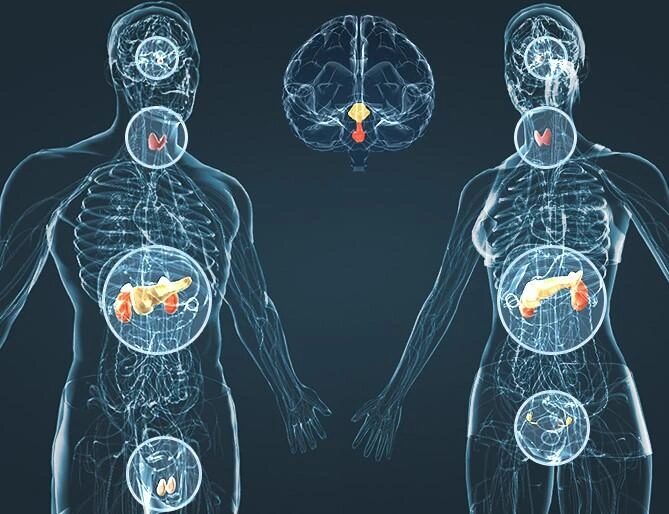
Hormones influence almost every system in the body. They help regulate your metabolism, sleep, mood, energy, reproductive health, appetite, stress response, and even how your body responds to inflammation. When hormones are balanced, you may feel energized, focused, emotionally stable, and generally well. But when something becomes disrupted, the symptoms can be subtle—or they can affect nearly every part of your daily life. You may find yourself saying: “I don’t feel like myself anymore.” Maybe you’re exhausted despite getting enough sleep. Perhaps you’ve gained weight without changing your diet, your periods have become irregular, your mood seems unpredictable, or you’re struggling with brain fog and low motivation. These symptoms are easy to dismiss. But they may be signals that your hormones need attention. At Merge Medical Center in Charleston, South Carolina, we take a functional medicine approach to hormone health. Rather than simply treating individual symptoms, our goal is to understand what may be contributing to hormonal imbalance and develop a personalized approach to help restore balance and support your overall health.
What Are Hormones?
Hormones are chemical messengers produced by glands and tissues throughout the body. They travel through the bloodstream and communicate with different organs, helping coordinate essential processes. Some of the hormones that play important roles in overall health include:
Thyroid hormones
Estrogen
Progesterone
Testosterone
Cortisol
Insulin
DHEA
Melatonin
These hormones don’t work independently. They interact with one another and with systems such as the nervous system, digestive system, immune system, and metabolism. That is why a hormone imbalance may show up in unexpected ways. For example, a person experiencing thyroid dysfunction may notice fatigue, constipation, difficulty losing weight, or feeling unusually cold. Someone experiencing changes in estrogen or progesterone may notice changes in their menstrual cycle, sleep, mood, or body composition. Understanding the bigger picture is an important part of functional medicine.
10 Signs Your Hormones May Be Out of Balance
Hormonal symptoms can vary considerably from person to person. However, there are several common signs that deserve attention.
1. You’re Constantly Tired
Everyone gets tired occasionally. But persistent fatigue that doesn’t improve with adequate sleep shouldn’t simply be accepted as part of getting older or having a busy life. Hormonal factors that may contribute to fatigue include:
Thyroid dysfunction
Cortisol dysregulation
Blood sugar imbalance
Changes in estrogen or progesterone
Low testosterone
Nutrient deficiencies
Fatigue can have many possible causes, so the goal isn’t to assume hormones are responsible. Instead, a comprehensive evaluation can help determine what may be contributing to your symptoms.
2. You’re Gaining Weight Without Obvious Changes
Unexplained weight gain or difficulty losing weight can be frustrating, particularly when you’re eating well and exercising consistently. Hormones involved in metabolism include insulin, thyroid hormones, cortisol, estrogen, and testosterone. For example, insulin resistance can make it more difficult for the body to regulate blood sugar and can contribute to changes in body composition. Thyroid dysfunction can also affect metabolism and energy levels. Functional medicine looks beyond the number on the scale to understand the metabolic factors that may be influencing your weight.
3. You’re Experiencing Brain Fog
Brain fog is often described as:
Difficulty concentrating
Forgetfulness
Trouble finding words
Poor mental clarity
Difficulty staying focused
Hormonal changes can influence cognitive function, particularly changes involving thyroid hormones, estrogen, progesterone, cortisol, and blood sugar regulation. Brain fog shouldn’t automatically be attributed to hormones, however. Sleep quality, nutritional deficiencies, stress, medications, inflammation, and other health conditions can also contribute. This is why looking at the whole person is so important.
4. Your Sleep Has Changed
Hormones and sleep have a close relationship. Cortisol follows a natural daily rhythm, typically rising in the morning and gradually declining throughout the day. Melatonin helps signal to your body that it is time to sleep. Changes in stress, lifestyle, reproductive hormones, or other health conditions can interfere with this rhythm. You may notice:
Difficulty falling asleep
Waking during the night
Waking too early
Feeling tired despite sleeping
Changes in your sleep pattern during your menstrual cycle
Poor sleep can then create additional hormonal and metabolic stress, creating a cycle that can be difficult to break.
5. Your Menstrual Cycle Has Changed
For women, changes in the menstrual cycle can provide important clues about hormonal health. Pay attention to changes such as:
Irregular periods
Very heavy periods
Short or unusually long cycles
Changes in menstrual flow
Increased PMS
Painful periods
Missed periods
Estrogen, progesterone, thyroid hormones, insulin, and other factors can influence the menstrual cycle. Changes may occur during different stages of life, including the reproductive years, perimenopause, and menopause. However, significant or persistent changes deserve a conversation with a qualified healthcare professional.
6. Your Mood Feels Different
Hormones interact closely with the brain and nervous system. Changes in hormonal signaling may be associated with:
Irritability
Mood swings
Anxiety
Low mood
Reduced motivation
Increased emotional sensitivity
Stress can also affect hormone regulation, making the relationship bidirectional. This is one reason functional medicine considers mental and emotional well-being an important part of whole-person health.
7. Your Libido Has Decreased
A lower sex drive can have many causes, including relationship factors, medications, stress, sleep deprivation, and physical health. Hormones can also play a role. Changes in estrogen, progesterone, testosterone, thyroid function, and cortisol may affect libido and sexual well-being. Rather than assuming that low libido is simply a normal part of aging, it’s worth exploring whether there are underlying factors that can be addressed.
8. You Notice Hair, Skin, or Body Changes
Hormonal changes can sometimes show up externally. Potential signs include:
Thinning hair
Increased facial hair
Acne
Dry skin
Changes in skin texture
Hair loss
Changes in body composition
Androgens, thyroid hormones, estrogen, and other hormones can influence skin and hair. These symptoms can also have non-hormonal causes, which is why testing and a thorough health history are important.
9. You’re Experiencing Increased Anxiety or Feeling “Wired but Tired”
Do you feel exhausted but unable to slow down? Chronic stress can influence the body’s stress response and cortisol rhythm. Over time, this may contribute to difficulty sleeping, fatigue, changes in appetite, and difficulty recovering from everyday stress. Functional medicine looks at the relationship between: Stress → sleep → hormones → metabolism → inflammation rather than treating each symptom as an isolated problem.
10. Your Blood Sugar Seems Unstable
Hormonal health and metabolic health are closely connected. Insulin is one of the body’s most important metabolic hormones. When insulin regulation becomes impaired, you may experience symptoms such as:
Energy crashes
Increased hunger
Sugar cravings
Difficulty losing weight
Feeling shaky or irritable when hungry
These symptoms don’t necessarily mean you have a hormone disorder, but they may warrant further evaluation.
Why Hormonal Imbalances Happen
Hormonal imbalance isn’t caused by one thing. Potential contributing factors include:
Chronic stress
Long-term stress can affect the body’s hormonal signaling and sleep patterns.
Poor sleep
Inadequate or disrupted sleep can affect metabolism, appetite, stress hormones, and overall well-being.
Nutrition
Insufficient nutrients, excessive processed foods, and blood sugar instability may influence metabolic and hormonal health.
Thyroid dysfunction
The thyroid plays a major role in metabolism, energy production, temperature regulation, and many other body functions.
Insulin resistance
Metabolic dysfunction can influence multiple hormonal pathways.
Reproductive transitions
Puberty, pregnancy, postpartum changes, perimenopause, and menopause can all involve significant hormonal changes.
Environmental exposures
Certain environmental chemicals can interfere with endocrine signaling. Reducing unnecessary exposure can be one component of a broader healthy lifestyle.
Why Functional Medicine Looks Deeper
A conventional approach may focus on whether a particular hormone falls within a laboratory reference range. Functional medicine asks additional questions: How are you feeling? What has changed? What patterns do your symptoms reveal? How are your sleep, nutrition, stress, digestion, metabolism, and hormones connected? This doesn’t mean every symptom is caused by a hormone imbalance. Instead, functional medicine aims to understand the entire picture before creating a personalized plan.
What Hormone Testing May Look Like
Depending on your symptoms and health history, your provider may consider evaluating areas such as:
Thyroid function
Blood glucose and insulin
Sex hormones
Cortisol
Nutritional status
Inflammatory markers
Metabolic health
Testing should be individualized. More testing isn’t always better; the goal is to choose testing that provides useful information for your particular situation.
Hormone Health Starts With the Basics
Before reaching for supplements or hormone therapies, there are foundational areas that deserve attention.
Prioritize Protein and Nutrient-Dense Foods
Your body requires adequate nutrients to produce hormones and support metabolic function. Build meals around:
Quality protein
Vegetables
Fiber-rich foods
Healthy fats
Minimally processed carbohydrates
Support Healthy Blood Sugar
Pairing carbohydrates with protein, fiber, and healthy fats can help create more balanced meals. Regular physical activity also improves insulin sensitivity.
Protect Your Sleep
Aim for a consistent sleep and wake schedule and create a relaxing nighttime environment. Good sleep is one of the most powerful tools available for supporting overall hormonal health.
Manage Chronic Stress
Stress can’t always be eliminated, but your response to stress can be supported. Consider:
Walking outdoors
Breathing exercises
Meditation
Strength training
Yoga
Time away from screens
Healthy social connections
Move Your Body
Exercise supports metabolic health, cardiovascular health, mood, sleep, and insulin sensitivity. The best exercise program is one you can maintain consistently.
Hormone Health During Perimenopause and Menopause
Hormonal changes become particularly noticeable for many women during perimenopause and menopause. Symptoms may include:
Hot flashes
Night sweats
Sleep disruption
Mood changes
Brain fog
Changes in body composition
Vaginal dryness
Reduced libido
These changes are common, but that doesn’t mean you have to suffer through them without support. A comprehensive evaluation can help determine which symptoms may be related to hormonal changes and what treatment options may be appropriate for you.
Hormone Health Is About More Than Hormones
One of the most important concepts in functional medicine is that hormones exist within a larger network. Your: Gut health affects Nutrient absorption and inflammation which can influence Metabolic and hormonal health while: Stress and poor sleep can affect Cortisol and blood sugar regulation which can further influence Energy, mood, and reproductive health. This interconnectedness is why addressing only one hormone may not always resolve the underlying problem.
When Should You Seek a Hormone Evaluation?
Consider talking with a healthcare professional if you’re experiencing persistent or unexplained:
Fatigue
Weight changes
Sleep problems
Brain fog
Mood changes
Irregular periods
Hot flashes
Low libido
Hair or skin changes
Blood sugar concerns
You don’t need to wait until symptoms become severe. Your symptoms are information.
A Functional Medicine Approach at Merge Medical Center
At Merge Medical Center in Charleston, South Carolina, our functional medicine approach is centered around understanding the individual—not simply treating a lab result. We consider your symptoms, history, lifestyle, nutrition, metabolic health, and other relevant factors when developing a personalized approach. Our goal is to help patients better understand their bodies and identify opportunities to improve their health from the inside out. Whether you’re experiencing fatigue, unexplained weight changes, reproductive hormone concerns, thyroid symptoms, or changes associated with perimenopause and menopause, a comprehensive evaluation can be an important first step.
Your Body May Be Trying to Tell You Something
Hormonal imbalance isn’t always obvious. Sometimes it looks like exhaustion. Sometimes it’s brain fog. Sometimes it’s weight that suddenly seems impossible to lose. Sometimes it’s a period that has become unpredictable or sleep that no longer feels restorative. These symptoms shouldn’t automatically be blamed on hormones—but they shouldn’t automatically be dismissed either. Your body is constantly communicating with you. The goal of functional medicine is to listen. If you’re in the Charleston, South Carolina area and you’re experiencing persistent symptoms that make you feel unlike yourself, Merge Medical Center can help you take a deeper look at your overall health and identify the factors that may be contributing to how you feel. Because feeling well isn’t simply about having “normal” lab results. It’s about helping your body function at its best.
Functional Medicine Insights from Merge Medical Center
Heart disease remains the leading cause of death in the United States, yet many people still believe it’s a condition that only becomes relevant later in life. The truth is far more concerning—and empowering: heart disease often begins decades before symptoms ever appear.
At Merge Medical Center, prevention is the foundation of care. Using a functional medicine approach, the focus shifts from reacting to disease to identifying early imbalances and addressing root causes long before a diagnosis is made.
This blog explores why heart disease prevention must start earlier than you think, the hidden factors that contribute to cardiovascular risk, and how a holistic approach can protect your long-term heart health.
The Silent Progression of Heart Disease
Heart disease doesn’t happen overnight. It develops slowly through a process called atherosclerosis—the buildup of plaque inside arteries.
This process can begin in:
Your teens or early 20s
Your 30s during periods of stress or poor lifestyle habits
Even childhood, depending on diet and environment
By the time symptoms like chest pain or shortness of breath appear, the disease is often advanced.
Why Early Prevention Matters
Waiting until your 50s or 60s to think about heart health is like waiting until your car engine fails before changing the oil.
Early prevention allows you to:
Reduce inflammation before damage occurs
Maintain healthy blood vessels
Balance cholesterol naturally
Prevent plaque buildup
Support optimal circulation
At Merge Medical Center, patients are encouraged to assess cardiovascular risk early—even if they feel perfectly healthy.
Traditional Risk Factors vs. Root Causes
Conventional medicine often focuses on standard risk factors:
High LDL cholesterol
High blood pressure
Smoking
Diabetes
Obesity
While these are important, they don’t tell the whole story.
Functional medicine looks deeper at why these issues develop in the first place.
Hidden Root Causes of Heart Disease
1. Chronic Inflammation
Inflammation is one of the biggest drivers of cardiovascular disease. It damages blood vessels and accelerates plaque formation.
Sources of inflammation include:
Poor diet
Chronic stress
Gut dysfunction
Environmental toxins
Autoimmune activity
2. Blood Sugar Imbalance
Even slightly elevated blood sugar can damage blood vessels over time.
Insulin resistance contributes to:
Increased triglycerides
Lower HDL (“good”) cholesterol
Higher inflammation
Greater plaque buildup
3. Hormonal Imbalances
Hormones play a major role in cardiovascular health.
For example:
Low estrogen can increase heart disease risk in women
High cortisol (stress hormone) raises blood pressure
Emerging research shows a strong connection between gut health and heart disease.
An imbalanced gut can:
Increase systemic inflammation
Affect cholesterol metabolism
Produce harmful compounds like TMAO
5. Nutrient Deficiencies
Your heart depends on key nutrients to function properly.
Common deficiencies include:
Magnesium
Omega-3 fatty acids
CoQ10
Vitamin D
These deficiencies can impact blood pressure, rhythm, and overall heart function.
6. Environmental Toxins
Exposure to toxins such as heavy metals, air pollution, and chemicals can:
Damage blood vessels
Increase oxidative stress
Disrupt hormone balance
Early Warning Signs You Shouldn’t Ignore
Heart disease often presents subtle symptoms long before a major event occurs.
These may include:
Fatigue or low energy
Brain fog
Shortness of breath with mild exertion
Poor exercise tolerance
Cold hands and feet
Sleep disturbances
These symptoms are often dismissed but may signal underlying cardiovascular stress.
Functional Medicine Testing for Heart Health
At Merge Medical Center, advanced testing provides a more complete picture of cardiovascular risk.
This may include:
Advanced lipid panels (particle size and number)
Inflammatory markers (CRP, homocysteine)
Blood sugar and insulin levels
Hormone testing
Nutrient status
Gut health analysis
This comprehensive approach allows for early intervention—before disease develops.
Lifestyle Factors That Shape Your Heart Health
Nutrition: The Foundation of Prevention
Food directly impacts inflammation, cholesterol, and blood sugar.
A heart-supportive diet includes:
Whole, unprocessed foods
Healthy fats (olive oil, nuts, fatty fish)
High-fiber vegetables
Clean protein sources
Reducing sugar, refined carbs, and processed foods is essential.
Movement and Exercise
Regular physical activity:
Improves circulation
Lowers blood pressure
Enhances insulin sensitivity
Supports healthy cholesterol levels
Even moderate activity like walking can have powerful benefits.
Stress Management
Chronic stress is one of the most underestimated risk factors for heart disease.
It can:
Raise blood pressure
Increase inflammation
Disrupt hormones
Incorporating stress-reducing practices such as meditation, breathing exercises, or yoga can significantly improve heart health.
Sleep Quality
Poor sleep is strongly linked to cardiovascular disease.
Sleep deprivation can:
Increase cortisol
Disrupt blood sugar
Raise blood pressure
Prioritizing 7–9 hours of quality sleep is essential for prevention.
The Role of Functional Medicine in Prevention
Functional medicine shifts the focus from symptom management to root cause resolution.
At Merge Medical Center, this means:
Identifying early imbalances
Creating personalized treatment plans
Addressing lifestyle, nutrition, and environmental factors
Supporting long-term health, not just short-term fixes
Can Heart Disease Be Reversed?
In many cases, early-stage heart disease can be slowed—or even reversed—through lifestyle and functional medicine interventions.
Key strategies include:
Reducing inflammation
Improving metabolic health
Supporting detoxification
Optimizing nutrient levels
The earlier these changes are made, the greater the impact.
Prevention by Age: When Should You Start?
In Your 20s and 30s
Build healthy habits
Monitor blood sugar and cholesterol
Manage stress
In Your 40s
Assess hormone balance
Check inflammation markers
Evaluate cardiovascular risk more closely
In Your 50s and Beyond
Focus on maintaining vascular health
Address any existing conditions
Continue lifestyle optimization
No matter your age, it’s never too early—or too late—to start.
A Personalized Approach to Heart Health
Every individual has unique risk factors influenced by:
Genetics
Lifestyle
Environment
Medical history
That’s why a personalized plan is essential.
At Merge Medical Center, care is tailored to each patient, ensuring the most effective and sustainable results.
The Future of Heart Disease Prevention
Healthcare is shifting toward prevention—and for good reason.
By focusing on:
Early detection
Root cause analysis
Holistic treatment
we can dramatically reduce the burden of heart disease.
Functional medicine is leading this transformation, empowering patients to take control of their health long before disease develops.
Final Thoughts
Heart disease doesn’t start with a heart attack—it starts years, even decades, earlier.
The choices you make today—what you eat, how you manage stress, how you sleep—shape your cardiovascular future.
By taking a proactive, functional medicine approach, you can protect your heart, improve your overall health, and prevent disease before it begins.
If you’re ready to take control of your heart health, the team at Merge Medical Center offers personalized, root-cause care designed to support long-term wellness.
Functional Medicine Insights from Merge Medical Center
Fertility is often thought of as a simple equation: ovulation + timing = pregnancy. But for many individuals and couples trying to conceive, the reality is far more complex. Beneath the surface lies a delicate interplay of hormones that must be precisely balanced for optimal reproductive health. When even one hormone is out of sync, it can disrupt ovulation, sperm health, implantation, and overall fertility.
At Merge Medical Center, a functional medicine approach looks beyond symptoms to uncover the root causes of hormonal imbalance. Rather than offering a one-size-fits-all solution, care is personalized, addressing the unique biochemical and lifestyle factors that influence fertility.
In this in-depth guide, we’ll explore how hormones affect fertility, common imbalances that interfere with conception, and how a holistic, functional medicine approach can restore balance naturally.
Understanding Hormones and Fertility
Hormones are chemical messengers that regulate nearly every process in the body—including reproduction. For fertility to occur, several key hormones must work in harmony:
Key Fertility Hormones
Estrogen – Builds the uterine lining and regulates the menstrual cycle
Progesterone – Supports implantation and early pregnancy
Follicle-Stimulating Hormone (FSH) – Stimulates egg development
Luteinizing Hormone (LH) – Triggers ovulation
Testosterone – Plays a role in libido and egg quality in women, and sperm production in men
Thyroid hormones (T3, T4) – Regulate metabolism and reproductive function
Cortisol – The stress hormone, which can suppress reproductive hormones when elevated
Insulin – Regulates blood sugar and influences ovarian function
When these hormones are balanced, the body can ovulate regularly, maintain a healthy uterine environment, and support conception. When they’re not, fertility challenges often arise.
How Hormonal Imbalances Impact Fertility
1. Estrogen Dominance
Estrogen dominance occurs when estrogen levels are too high relative to progesterone. This imbalance can lead to:
Irregular or heavy periods
Poor ovulation
Difficulty with implantation
Increased risk of conditions like endometriosis or fibroids
Functional medicine looks at why estrogen is elevated—often linked to poor liver detoxification, environmental toxins, or gut health issues.
2. Low Progesterone
Progesterone is essential after ovulation. Without adequate levels:
The uterine lining may not support implantation
Early miscarriage risk increases
Cycles may become shorter or irregular
Low progesterone is often tied to chronic stress, inflammation, or poor ovulation quality.
3. Thyroid Dysfunction
Even mild thyroid imbalances can significantly affect fertility. Both hypothyroidism and hyperthyroidism can:
Disrupt ovulation
Affect menstrual regularity
Impact egg quality
Increase miscarriage risk
At Merge Medical Center, comprehensive thyroid testing goes beyond standard labs to uncover subtle dysfunction.
4. Insulin Resistance
Insulin resistance is a major driver of fertility issues, particularly in conditions like PCOS (Polycystic Ovary Syndrome).
Effects include:
Irregular ovulation
Elevated androgens (male hormones)
Poor egg quality
Increased inflammation
Balancing blood sugar is often one of the most effective ways to restore fertility naturally.
5. High Cortisol (Chronic Stress)
When the body perceives stress, it prioritizes survival over reproduction.
High cortisol levels can:
Suppress ovulation
Lower progesterone
Disrupt menstrual cycles
Reduce libido
This is why stress management is a cornerstone of fertility care in functional medicine.
6. Testosterone Imbalances
In women, too much testosterone can interfere with ovulation, while too little may affect egg quality and libido. In men, low testosterone can reduce sperm production and quality.
The Gut–Hormone Connection
One of the most overlooked aspects of fertility is gut health.
The gut microbiome plays a critical role in:
Estrogen metabolism
Nutrient absorption
Immune regulation
Inflammation control
An unhealthy gut can lead to estrogen recirculation, nutrient deficiencies, and systemic inflammation—all of which impair fertility.
At Merge Medical Center, gut health is often a foundational focus when addressing hormone imbalances.
Environmental Toxins and Hormone Disruption
Modern life exposes us to countless endocrine-disrupting chemicals (EDCs), including:
BPA (found in plastics)
Pesticides
Phthalates
Heavy metals
These toxins can mimic or block hormones, leading to:
Estrogen dominance
Thyroid dysfunction
Reduced egg and sperm quality
Detoxification support is a key component of functional fertility care.
Functional Medicine Approach to Fertility
Unlike conventional approaches that may focus solely on reproductive organs, functional medicine takes a whole-body perspective.
At Merge Medical Center, fertility care includes:
1. Comprehensive Testing
Instead of basic labs, advanced testing may include:
Full hormone panels (saliva, blood, or urine)
Thyroid function (including antibodies)
Gut health analysis
Nutrient deficiencies
Inflammation markers
Toxin exposure
2. Personalized Nutrition
Food is one of the most powerful tools for hormone balance.
Key strategies include:
Stabilizing blood sugar
Supporting liver detox pathways
Reducing inflammation
Increasing nutrient density
Common recommendations:
Healthy fats (avocado, olive oil, omega-3s)
High-quality protein
Fiber-rich vegetables
Minimizing processed foods and sugar
3. Targeted Supplementation
Based on individual needs, supplements may include:
Adaptogens for stress support
Omega-3 fatty acids
Vitamin D
Magnesium
B vitamins
Herbal hormone support
4. Stress Reduction
Since cortisol directly impacts reproductive hormones, stress management is essential.
Effective tools include:
Mindfulness and meditation
Gentle exercise like yoga
Sleep optimization
Nervous system regulation techniques
5. Detoxification Support
Supporting the body’s natural detox pathways helps eliminate hormone-disrupting toxins.
Approaches may include:
Liver-supportive nutrients
Sauna therapy
Hydration
Reducing toxin exposure in daily life
Male Fertility and Hormones
Fertility is not just a female issue—male hormone balance is equally important.
Hormonal factors affecting male fertility include:
Low testosterone
High estrogen
Elevated cortisol
Insulin resistance
These imbalances can lead to:
Low sperm count
Poor motility
Abnormal morphology
Functional medicine addresses these root causes to improve overall reproductive health.
Signs Your Hormones May Be Affecting Fertility
You don’t have to wait until you’re trying to conceive to identify hormonal imbalances. Common warning signs include:
Irregular periods
Painful cycles
PMS or mood swings
Chronic fatigue
Acne or hair loss
Weight gain or difficulty losing weight
Low libido
Brain fog
These symptoms often indicate deeper imbalances that can impact fertility over time.
Why a Holistic Approach Matters
Conventional fertility treatments often focus on outcomes—ovulation induction, IVF, or hormone replacement. While these can be helpful, they may not address underlying causes.
Functional medicine asks:
Why is ovulation irregular?
What’s driving hormone imbalance?
How can we restore natural function?
By addressing root causes, many patients experience not only improved fertility but better overall health.
Fertility and Age: Can Hormone Balance Help?
While age is a factor in fertility, hormone balance still plays a crucial role.
Supporting hormones can:
Improve egg quality
Enhance uterine receptivity
Regulate cycles
Reduce inflammation
Even for those pursuing assisted reproductive technologies, optimizing hormone health can improve outcomes.
Realistic Expectations
Balancing hormones is not an overnight process. It often takes:
3–6 months to see significant changes
Consistency with lifestyle and nutrition
Ongoing support and adjustments
However, the results often extend far beyond fertility—improving energy, mood, metabolism, and long-term health.
When to Seek Help
You may benefit from a functional medicine approach if:
You’ve been trying to conceive for 6–12 months without success
You have irregular cycles
You’ve experienced miscarriage
You have known conditions like PCOS or thyroid disease
You want to optimize fertility naturally
Early intervention can make a significant difference.
The Merge Medical Center Difference
At Merge Medical Center, fertility care is rooted in understanding the whole person—not just lab values or symptoms.
What sets this approach apart:
Root-cause investigation
Personalized treatment plans
Integration of nutrition, lifestyle, and medical care
Focus on long-term health, not just short-term outcomes
Patients are empowered with knowledge and tools to take control of their health and fertility journey.
Final Thoughts
Fertility is not just about timing—it’s about balance. Hormones influence every step of the reproductive process, and even small imbalances can create significant challenges.
The good news is that many of these imbalances are reversible with the right approach.
By addressing root causes, supporting the body holistically, and restoring hormonal harmony, it’s possible to improve fertility naturally and sustainably.
If you’re struggling with fertility or simply want to optimize your reproductive health, a functional medicine approach at Merge Medical Center may provide the answers you’ve been looking for.
A Functional Medicine Perspective on Chronic Fatigue
You went to bed early. You got a full 7–9 hours of sleep. Yet you wake up feeling just as exhausted—if not more—than when you went to bed.
If this sounds familiar, you’re not alone.
Chronic fatigue that persists despite adequate sleep is one of the most common complaints seen in functional medicine. And here’s the key truth:
👉 Feeling tired all the time is not normal—and it’s not something you should ignore.
In this article, we’ll explore why you might still feel exhausted even after sleeping and how a functional medicine approach uncovers and addresses the root causes of your fatigue.
Sleep vs. Restoration: Why More Sleep Isn’t Always the Answer
Many people assume fatigue is simply due to not getting enough sleep. But in reality, sleep quantity and sleep quality are very different things.
You can spend 8 hours in bed but still experience:
Poor sleep cycles
Frequent awakenings
Hormonal imbalances
Lack of deep, restorative sleep
Functional medicine focuses on improving sleep quality and cellular recovery, not just hours spent in bed.
The Most Common Root Causes of Persistent Fatigue
Fatigue is rarely caused by a single issue. It’s often the result of multiple imbalances happening at the same time.
1. Hormonal Imbalances
Your hormones play a major role in regulating energy levels.
Cortisol (Stress Hormone)
Should be high in the morning and low at night
Chronic stress can disrupt this rhythm
Thyroid Hormones
Control metabolism and energy production
Even mild imbalances can cause fatigue
Sex Hormones (Estrogen, Progesterone, Testosterone)
Affect mood, sleep, and energy
When these systems are out of balance, you may feel constantly drained—even after sleeping.
2. Blood Sugar Imbalance
Fluctuations in blood sugar can create an energy rollercoaster.
Signs include:
Energy crashes after meals
Sugar cravings
Brain fog
Irritability
When blood sugar isn’t stable, your body struggles to maintain consistent energy throughout the day.
3. Poor Sleep Quality (Even If You Sleep “Enough”)
You may not be getting enough deep sleep or REM sleep, which are essential for restoration.
Common disruptors:
Blue light exposure before bed
Stress and anxiety
Sleep apnea
Irregular sleep schedules
Without proper sleep cycles, your body doesn’t fully recover overnight.
4. Chronic Stress and Adrenal Dysfunction
Stress doesn’t just affect your mood—it directly impacts your energy.
Over time, chronic stress can:
Dysregulate cortisol
Drain your body’s reserves
Lead to burnout
This is often referred to as adrenal dysfunction in functional medicine.
5. Nutrient Deficiencies
Your body needs essential nutrients to produce energy at the cellular level.
Common deficiencies linked to fatigue:
Iron
Vitamin B12
Vitamin D
Magnesium
Even mild deficiencies can significantly impact how you feel.
6. Gut Health Issues
Your gut plays a critical role in energy production and nutrient absorption.
When gut health is compromised, you may experience:
Poor nutrient absorption
Inflammation
Fatigue
Conditions like dysbiosis or leaky gut can contribute to chronic tiredness.
7. Inflammation
Chronic, low-grade inflammation can drain your energy over time.
This may be caused by:
Poor diet
Stress
Environmental toxins
Underlying infections
Inflammation forces your body into a constant state of defense, leaving you feeling exhausted.
8. Mitochondrial Dysfunction
Mitochondria are the “powerhouses” of your cells—they produce the energy your body needs.
When they’re not functioning properly:
Energy production decreases
Fatigue increases
Recovery slows
Functional medicine often focuses on supporting mitochondrial health to restore energy.
9. Hidden Infections or Conditions
Sometimes fatigue is linked to underlying issues such as:
Viral infections
Autoimmune conditions
Chronic illnesses
These are often overlooked in standard evaluations but can be identified through deeper testing.
The Functional Medicine Approach to Fatigue
Instead of masking fatigue with caffeine or quick fixes, functional medicine focuses on identifying and correcting the root causes.
Step 1: Comprehensive Assessment
A detailed look at:
Sleep patterns
Diet
Stress levels
Medical history
Step 2: Advanced Testing
May include:
Hormone panels
Thyroid function tests
Nutrient levels
Gut health analysis
Blood sugar markers
Step 3: Personalized Plan
Based on findings, a targeted plan is created to restore balance and energy.
How to Start Rebuilding Your Energy Naturally
1. Stabilize Blood Sugar
Eat balanced meals with protein, fats, and fiber
Avoid skipping meals
Limit refined sugars
2. Support Sleep Quality
Maintain a consistent sleep schedule
Reduce screen time before bed
Create a calming nighttime routine
3. Manage Stress Effectively
Practice mindfulness or meditation
Incorporate breathing exercises
Set boundaries to reduce overwhelm
4. Optimize Nutrition
Focus on:
Whole, nutrient-dense foods
Adequate protein intake
Hydration
Avoid:
Processed foods
Excess caffeine
Sugar spikes
5. Address Nutrient Deficiencies
Targeted supplementation may help restore:
Iron levels
B vitamins
Magnesium
Vitamin D
6. Heal the Gut
Incorporate probiotics and fiber
Identify food sensitivities
Support digestion
7. Support Mitochondrial Health
Prioritize sleep and recovery
Reduce toxin exposure
Use targeted nutrients when needed
Signs Your Fatigue Needs Attention
If you experience any of the following, it’s time to dig deeper:
You wake up tired every day
You rely heavily on caffeine
You experience brain fog
Your energy crashes in the afternoon
You feel overwhelmed by simple tasks
These are not just inconveniences—they are signals.
Why Conventional Approaches Often Fall Short
Traditional care may:
Focus on ruling out major disease
Offer general advice like “get more sleep”
Overlook subtle imbalances
Functional medicine goes further by asking:
👉 What’s causing the fatigue in the first place?
The Goal: Sustainable Energy, Not Temporary Boosts
Quick fixes like caffeine or energy drinks may provide short-term relief—but they don’t solve the problem.
Functional medicine aims to:
Restore natural energy production
Balance the body’s systems
Support long-term vitality
You Don’t Have to Live Exhausted
Feeling tired all the time is often normalized—but it shouldn’t be.
Your body is designed to have:
Steady energy
Mental clarity
Restorative sleep
If you’re constantly fatigued, your body is trying to tell you something.
Bottom Line
👉 Fatigue is not the problem—it’s the signal.
By identifying and addressing the root causes through a functional medicine approach, you can move beyond just getting through the day and start feeling energized, focused, and well again.
A Functional Medicine Perspective on Gut Health and Whole-Body Healing
Digestive symptoms are often dismissed as minor inconveniences—something to “live with” or manage with over-the-counter medications. Occasional bloating, heartburn, constipation, or irregular bowel movements may seem harmless. But from a functional medicine perspective, these symptoms are rarely random—and almost never insignificant.
Your digestive system is central to nearly every aspect of your health. When something feels off, it’s often your body’s way of signaling a deeper imbalance.
In this article, we’ll explore why digestive symptoms should never be ignored, what they might mean, and how functional medicine addresses the root causes—not just the symptoms.
The Gut: Your Body’s Control Center
The digestive system does far more than break down food. It plays a critical role in:
Nutrient absorption
Immune system regulation
Hormone balance
Detoxification
Brain function
In fact, nearly 70–80% of your immune system resides in your gut, and your gut microbiome (the collection of bacteria living in your digestive tract) influences everything from metabolism to mood.
When digestion is impaired, it can create a ripple effect throughout the entire body.
Common Digestive Symptoms People Ignore
Many people normalize digestive discomfort, assuming it’s just part of life. But these symptoms are often early warning signs:
Bloating or gas
Constipation or diarrhea
Acid reflux or heartburn
Abdominal pain or cramping
Food sensitivities
Nausea
Feeling overly full after eating
Even if symptoms are mild or occasional, they can indicate underlying dysfunction that deserves attention.
Symptoms Are Signals—Not the Problem
One of the core principles of functional medicine is this:
👉 Symptoms are not the disease—they are clues.
Instead of suppressing symptoms with medications alone, functional medicine asks:
Why is this happening?
What systems are out of balance?
What is the root cause?
Ignoring symptoms can allow deeper issues to progress over time.
The Root Causes Behind Digestive Issues
Digestive symptoms can stem from a wide range of underlying problems. Functional medicine focuses on identifying and addressing these root causes.
1. Gut Microbiome Imbalance
Your gut contains trillions of bacteria that support digestion and immunity. When this balance is disrupted (a condition known as dysbiosis), it can lead to:
Bloating
Gas
Irregular bowel movements
Inflammation
Common contributors include antibiotics, poor diet, and chronic stress.
2. Food Sensitivities and Intolerances
Certain foods may trigger inflammation or digestive discomfort.
Unlike food allergies, sensitivities can be subtle and delayed, making them harder to identify. Common triggers include:
Gluten
Dairy
Soy
Processed foods
Functional medicine often uses elimination diets to uncover these triggers.
3. Leaky Gut (Increased Intestinal Permeability)
The lining of your intestines acts as a barrier, allowing nutrients through while keeping harmful substances out.
When this barrier becomes compromised:
Toxins and undigested food particles can enter the bloodstream
The immune system becomes activated
Inflammation spreads throughout the body
This condition is often linked to autoimmune issues, fatigue, and skin conditions.
4. Low Stomach Acid
Many people assume acid reflux is caused by too much stomach acid—but in some cases, it’s actually too little.
Low stomach acid can lead to:
Poor digestion of protein
Nutrient deficiencies
Bacterial overgrowth
Bloating and reflux
5. Chronic Stress
The gut and brain are deeply connected through the gut-brain axis.
Stress can:
Slow digestion
Alter gut bacteria
Increase inflammation
Trigger symptoms like IBS
Functional medicine addresses stress as a key component of digestive health.
6. Infections and Overgrowth
Conditions like:
Small Intestinal Bacterial Overgrowth (SIBO)
Yeast overgrowth (Candida)
Parasites
can all contribute to persistent digestive symptoms.
These issues often go undiagnosed in conventional care but are commonly evaluated in functional medicine.
The Gut-Body Connection
Digestive health doesn’t exist in isolation. Problems in the gut can manifest in seemingly unrelated ways.
Skin Issues
Conditions like acne, eczema, and rosacea are often linked to gut inflammation.
Brain Fog and Mood Changes
The gut produces neurotransmitters like serotonin. Imbalances can affect mental clarity and emotional health.
Fatigue
Poor nutrient absorption can leave your body lacking essential vitamins and minerals.
Hormonal Imbalances
The gut helps regulate hormones, including estrogen. Dysfunction can disrupt hormonal balance.
When you treat the gut, you often improve these seemingly unrelated symptoms.
Why Ignoring Symptoms Can Be Risky
What starts as mild discomfort can develop into more serious conditions over time, such as:
Irritable Bowel Syndrome (IBS)
Inflammatory Bowel Disease (IBD)
Autoimmune disorders
Nutrient deficiencies
Chronic inflammation
Early intervention is key to preventing long-term complications.
The Functional Medicine Approach to Digestive Health
Functional medicine takes a comprehensive, individualized approach to healing the gut.
Step 1: Detailed Health History
Understanding your symptoms, diet, lifestyle, and medical history.
Step 2: Advanced Testing
Testing may include:
Gut microbiome analysis
Food sensitivity testing
Stool testing
Nutrient levels
Step 3: Personalized Treatment Plan
Based on findings, a targeted plan is created to restore balance.
Healing the Gut: Key Strategies
1. Remove Triggers
Eliminate foods or factors that are causing inflammation.
2. Replace Digestive Support
Support digestion with enzymes or stomach acid support when needed.
3. Reinoculate the Gut
Restore healthy bacteria with probiotics and prebiotics.
4. Repair the Gut Lining
Use nutrients like glutamine and zinc to heal the intestinal barrier.
5. Rebalance Lifestyle
Address stress, sleep, and movement patterns.
This is often referred to as the “5R approach” in functional medicine.
Nutrition: Food as Medicine
Diet is one of the most powerful tools for improving digestive health.
Focus On:
Whole, unprocessed foods
Fiber-rich vegetables
Healthy fats
Clean protein sources
Avoid:
Processed foods
Excess sugar
Artificial additives
Inflammatory oils
Even small dietary changes can significantly improve symptoms.
Lifestyle Factors That Impact Digestion
Stress Management
Chronic stress disrupts digestion and gut health.
Sleep Quality
Poor sleep affects gut bacteria and hormone regulation.
Movement
Regular physical activity supports digestion and reduces inflammation.
Functional medicine addresses all of these—not just diet.
When to Seek Help
You should consider seeking a functional medicine evaluation if you experience:
Persistent bloating or discomfort
Ongoing constipation or diarrhea
Frequent heartburn
Food sensitivities
Unexplained fatigue or brain fog
Even if symptoms seem mild, they are worth investigating.
The Goal: Long-Term Healing, Not Quick Fixes
Conventional approaches often focus on symptom relief. While this can provide temporary comfort, it doesn’t address the underlying issue.
Functional medicine aims to:
Identify root causes
Restore balance
Support long-term health
This leads to sustainable results—not temporary relief.
Listen to Your Gut
Your body is constantly communicating with you—and your digestive system is one of its loudest messengers.
Ignoring symptoms may seem easier in the short term, but it can lead to bigger health challenges down the road.
By paying attention to early warning signs and addressing them through a functional medicine approach, you can:
Improve digestion
Boost energy
Strengthen immunity
Enhance overall well-being
Bottom Line
Digestive symptoms are never “just normal.”
They are signals—and they deserve to be heard.
Taking action now can help you avoid more serious health issues later and put you on a path toward true, lasting wellness.
A Functional Medicine Approach at Merge Medical Center in Charleston, South Carolina
Prediabetes is one of the most overlooked health conditions today—and one of the most important to catch early. Millions of people are living with it without even realizing it. It often has no obvious symptoms, yet it silently increases your risk for serious chronic conditions, including type 2 diabetes, heart disease, and metabolic dysfunction.
At Merge Medical Center in Charleston, South Carolina, prediabetes is not seen as a diagnosis to “watch and wait”—it’s viewed as a critical opportunity to intervene, reverse course, and restore health naturally.
In this comprehensive guide, we’ll break down what prediabetes really is, why it happens, and how a functional medicine approach can help you regain control of your health before it progresses.
What Is Prediabetes?
Prediabetes occurs when blood sugar levels are higher than normal but not yet high enough to be diagnosed as type 2 diabetes.
Key Markers Include:
Fasting blood glucose: 100–125 mg/dL
Hemoglobin A1C: 5.7%–6.4%
This condition indicates that your body is beginning to struggle with blood sugar regulation, often due to insulin resistance.
Why Prediabetes Is a Big Deal
Many people think prediabetes isn’t serious—but that couldn’t be further from the truth.
Without intervention:
Up to 70% of people may develop type 2 diabetes
Risk of cardiovascular disease increases
Chronic inflammation begins to rise
Hormonal imbalances can worsen
The good news?
👉 Prediabetes is often reversible—especially when addressed early.
What Causes Prediabetes?
Prediabetes doesn’t happen overnight. It develops over time due to a combination of lifestyle, environmental, and metabolic factors.
Common Root Causes Include:
Insulin resistance
High sugar and processed food intake
Chronic stress
Poor sleep
Sedentary lifestyle
Hormonal imbalances
Gut dysfunction
At Merge Medical Center, the goal is to identify your specific triggers, not just label the condition.
Understanding Insulin Resistance
At the core of prediabetes is insulin resistance.
Insulin is the hormone that helps move sugar from your bloodstream into your cells for energy. When your body becomes resistant to insulin:
Cells stop responding effectively
Blood sugar rises
The pancreas produces more insulin
Over time, the system becomes overwhelmed
This is the metabolic imbalance that functional medicine aims to correct.
Early Warning Signs You Shouldn’t Ignore
Prediabetes is often called a “silent condition,” but there are subtle clues your body may be giving you:
Fatigue, especially after meals
Sugar or carbohydrate cravings
Brain fog
Weight gain (especially around the abdomen)
Frequent hunger
Difficulty losing weight
If you’re experiencing these symptoms, it may be time to take a closer look.
The Functional Medicine Approach to Prediabetes
At Merge Medical Center in Charleston, prediabetes is approached through a root-cause, whole-body strategy.
Instead of simply monitoring blood sugar, practitioners focus on:
Restoring metabolic balance
Improving insulin sensitivity
Reducing inflammation
Supporting long-term health
Advanced Testing: Looking Deeper Than Standard Labs
Traditional care often relies on basic glucose tests. Functional medicine goes further.
At Merge Medical Center, testing may include:
Comprehensive metabolic panels
Fasting insulin levels
A1C trends over time
Inflammatory markers
Hormone panels
Gut health analysis
This allows for a highly personalized treatment plan.
Nutrition: The Cornerstone of Reversal
Food plays a central role in managing and reversing prediabetes.
Functional Nutrition Focuses On:
1. Stabilizing Blood Sugar
Balanced meals with protein, healthy fats, and fiber
Avoiding spikes and crashes
2. Reducing Inflammation
Whole, nutrient-dense foods
Eliminating processed and refined sugars
3. Supporting Metabolism
Timing meals strategically
Avoiding late-night eating
Foods That Support Blood Sugar Balance
Leafy greens
Lean proteins
Healthy fats (olive oil, avocado)
Nuts and seeds
Low-glycemic fruits
Foods to Limit
Sugary drinks
Refined carbohydrates
Ultra-processed foods
Trans fats
At Merge Medical Center, nutrition plans are customized to each patient’s needs and lifestyle.
Movement: A Powerful Tool for Reversing Prediabetes
Exercise is one of the most effective ways to improve insulin sensitivity.
Benefits Include:
Lower blood sugar levels
Increased energy
Improved metabolism
Functional Approach:
Start where you are
Focus on consistency over intensity
Combine strength training and walking
Even small changes—like daily walks—can make a significant impact
The Role of Stress in Blood Sugar Imbalance
Chronic stress plays a major role in prediabetes.
When stress levels are high:
Cortisol increases
Blood sugar rises
Insulin resistance worsens
Stress-Reduction Strategies Include:
Mindfulness and meditation
Deep breathing exercises
Nervous system regulation
At Merge Medical Center, stress is treated as a key metabolic factor, not just an emotional issue.
Sleep and Blood Sugar: The Hidden Connection
Poor sleep can significantly impact blood sugar regulation.
Lack of sleep:
Increases insulin resistance
Triggers cravings
Disrupts hormones
Improving Sleep Includes:
Establishing a consistent routine
Reducing screen time at night
Supporting circadian rhythm
Hormones and Prediabetes
Hormonal imbalances can contribute to metabolic dysfunction.
Common Connections:
Cortisol (stress hormone)
Thyroid function
Estrogen and testosterone
Functional medicine evaluates and balances hormones to support overall metabolic health.
Gut Health and Blood Sugar
Your gut microbiome plays a surprising role in blood sugar regulation.
An unhealthy gut can:
Increase inflammation
Affect insulin sensitivity
Contribute to cravings
Functional Support Includes:
Probiotics and prebiotics
Gut-healing protocols
Dietary adjustments
Supplements: Targeted Support for Metabolic Health
Supplements may be recommended based on individual needs.
Common Categories Include:
Magnesium
Omega-3 fatty acids
Vitamin D
Blood sugar-support nutrients
At Merge Medical Center, supplements are strategic—not generic.
Can Prediabetes Be Reversed?
Yes—many patients successfully reverse prediabetes with the right approach.
Key Factors for Success:
Early intervention
Consistency
Personalized care
Addressing root causes
Functional medicine provides a roadmap for long-term success—not temporary fixes.
Why Choose Merge Medical Center in Charleston, SC?
Patients across Charleston and surrounding areas choose Merge Medical Center because they want:
Personalized, root-cause care
A holistic approach to metabolic health
Long-term solutions—not quick fixes
What Makes Them Different?
Comprehensive testing
Individualized treatment plans
Focus on prevention and reversal
Supportive, patient-centered care
A Day in a Blood Sugar–Balanced Lifestyle
Here’s what a typical day might look like:
Morning:
Protein-rich breakfast
Light movement
Hydration
Afternoon:
Balanced lunch
Stress management
Short walk
Evening:
Nutrient-dense dinner
Relaxation routine
Quality sleep
Small, consistent habits create powerful results over time.
When Should You Take Action?
If you’ve been told you have prediabetes—or suspect you might—don’t wait.
Early action can:
Prevent type 2 diabetes
Improve energy and focus
Reduce long-term health risks
Don’t Ignore the Warning Sign
Prediabetes is your body’s way of saying something is out of balance—but it’s also an opportunity.
At Merge Medical Center in Charleston, South Carolina, patients are empowered to take control of their health through functional medicine, personalized care, and sustainable lifestyle changes.
You don’t have to wait for a diagnosis to take action.
You can start rebuilding your health today.
A Holistic Approach with Merge Medical Center in Charleston, South Carolina
Cancer recovery is not simply about finishing treatment—it’s about rebuilding your body, restoring your energy, and reclaiming your life. Many patients find that even after chemotherapy, radiation, or surgery, they continue to struggle with fatigue, brain fog, inflammation, hormone imbalances, and weakened immunity.
At Merge Medical Center in Charleston, South Carolina, the focus goes beyond conventional follow-up care. By integrating functional medicine and holistic therapies, patients are supported through every phase of recovery—helping the body heal deeply, not just superficially.
In this comprehensive guide, we’ll explore what functional medicine looks like during cancer recovery, why it matters, and how a personalized, whole-body approach can help you regain strength, resilience, and long-term wellness.
Understanding Cancer Recovery: More Than Remission
When treatment ends, many patients expect to feel “back to normal.” Instead, they often experience:
Persistent fatigue
Brain fog or memory issues
Digestive problems
Hormonal imbalances
Chronic inflammation
Emotional stress or anxiety
Immune suppression
This phase is sometimes referred to as “survivorship,” but it can feel anything but thriving.
Why Does This Happen?
Cancer treatments, while life-saving, can:
Damage healthy cells
Disrupt gut health
Deplete essential nutrients
Alter hormone production
Increase oxidative stress
That’s where functional medicine steps in.
What Is Functional Medicine in Cancer Recovery?
Functional medicine is a patient-centered, root-cause approach that focuses on restoring balance in the body.
Instead of asking:
👉 “What drug treats this symptom?”
It asks:
👉 “Why is this symptom happening, and how can we fix the underlying imbalance?”
At Merge Medical Center, this approach is tailored to each individual’s:
Medical history
Treatment experience
Genetic predispositions
Lifestyle and environment
Key Principles of Functional Medicine After Cancer
1. Personalized Care Plans
No two cancer journeys are the same. Functional medicine recognizes that recovery must be individualized.
2. Root Cause Healing
Instead of masking fatigue or inflammation, practitioners identify why these issues persist.
3. Systems-Based Approach
The body is interconnected. Recovery involves:
Gut health
Immune function
Hormonal balance
Detoxification pathways
4. Integrative Support
Functional medicine works alongside conventional oncology care—not against it.
The Role of Merge Medical Center in Charleston, SC
Located in the Charleston area, Merge Medical Center provides a comprehensive, holistic recovery model designed for patients who want more than standard follow-up care.
Their Approach Combines
Advanced lab testing
Nutritional therapy
Hormone balancing
Lifestyle medicine
Stress reduction strategies
The goal?
👉 To help patients not just survive—but truly thrive after cancer.
Common Challenges After Cancer Treatment
1. Chronic Fatigue
Many patients experience deep exhaustion that doesn’t improve with rest.
Root Causes May Include
Mitochondrial dysfunction
Nutrient depletion
Hormonal imbalance
Functional Solutions
Targeted supplementation
Energy-supportive nutrition
Sleep optimization
2. Brain Fog
Difficulty concentrating or remembering things is extremely common.
Possible Causes
Inflammation
Blood sugar imbalance
Neurotransmitter disruption
Support Strategies
Anti-inflammatory diet
Cognitive-support nutrients
Stress management techniques
3. Gut Dysfunction
Chemotherapy and medications can damage the gut lining and microbiome.
Symptoms Include
Bloating
Food sensitivities
Constipation or diarrhea
Functional Medicine Approach
Microbiome restoration
Gut-healing protocols
Elimination diets
4. Hormonal Imbalances
Cancer treatments can disrupt hormones like:
Estrogen
Progesterone
Testosterone
Cortisol
This May Lead To
Weight gain
Mood swings
Sleep issues
At Merge Medical Center, hormone health is carefully evaluated and balanced naturally when possible.
5. Immune System Weakness
After treatment, the immune system often needs rebuilding.
Functional Support Includes
Nutrient optimization
Anti-inflammatory lifestyle changes
Immune-supportive therapies
Nutrition: The Foundation of Recovery
Food becomes medicine during cancer recovery.
Anti-Inflammatory Diet Principles
Patients are often guided toward:
Whole, unprocessed foods
Organic vegetables and fruits
Healthy fats (avocado, olive oil)
Clean protein sources
Foods to Limit
Refined sugar
Processed foods
Inflammatory oils
Excess alcohol
Nutrition plans at Merge Medical Center are customized, not one-size-fits-all.
Detoxification: Supporting the Body’s Natural Systems
Cancer treatments can leave behind a toxic burden.
Functional medicine focuses on enhancing the body’s detox pathways:
Liver support
Lymphatic drainage
Hydration
Sweating (sauna therapy when appropriate)
This is done safely and gradually—never aggressively.
Stress and Emotional Healing
Cancer recovery isn’t just physical—it’s emotional.
Many patients experience:
Anxiety about recurrence
Depression
PTSD-like symptoms
Holistic Support Includes
Mindfulness practices
Breathwork
Counseling or coaching
Nervous system regulation
At Merge Medical Center, emotional health is treated as an essential part of healing—not an afterthought.
Sleep: The Overlooked Healing Tool
Sleep is critical for:
Immune function
Hormone balance
Brain repair
Functional Medicine Sleep Assessment
Functional medicine practitioners assess:
Sleep quality
Circadian rhythm
Stress hormone levels
And create personalized plans to improve restorative sleep.
Advanced Testing in Functional Medicine
One of the biggest advantages of functional medicine is in-depth testing.
At Merge Medical Center, patients may receive:
Comprehensive blood panels
Hormone testing
Gut microbiome analysis
Nutrient deficiency testing
This data allows practitioners to create highly targeted recovery plans.
Supplements: Strategic, Not Random
Supplements are often used—but only when needed.
Common Supplement Categories
Antioxidants
Omega-3 fatty acids
Vitamin D
Adaptogens
Gut-repair nutrients
The key difference?
👉 Supplements are chosen based on your body’s specific needs, not trends.
Movement and Exercise in Recovery
Exercise is important—but must be approached carefully.
Benefits
Improves energy
Reduces inflammation
Supports mental health
Functional Approach
Start slow
Focus on consistency
Include restorative movement like yoga or walking
Merge Medical Center helps patients build sustainable movement routines that support healing—not exhaustion.
Preventing Recurrence: A Functional Perspective
While no approach can guarantee prevention, functional medicine focuses on reducing risk factors.
Key Areas of Focus
Lowering chronic inflammation
Supporting detox pathways
Balancing hormones
Strengthening immune function
The goal is to create an internal environment that is less supportive of disease.
Why Patients Choose Merge Medical Center in Charleston
Patients in Charleston and surrounding areas turn to Merge Medical Center because they want:
Personalized care
Root-cause solutions
A holistic approach
Ongoing support—not just checkups
What Sets Them Apart?
Time spent with patients
Comprehensive testing
Integrative therapies
Focus on long-term wellness
A Day in a Functional Medicine Recovery Plan
While every plan is unique, a typical day might include:
Morning
Nutrient-rich breakfast
Targeted supplements
Light movement
Afternoon
Balanced meals
Stress management practices
Hydration
Evening
Anti-inflammatory dinner
Relaxation techniques
Sleep optimization
Everything is designed to support the body’s natural healing rhythms.
Common Myths About Functional Medicine and Cancer
Myth #1: It Replaces Conventional Care
Truth: It complements it.
Myth #2: It’s Just Supplements
Truth: It’s a comprehensive lifestyle and medical approach.
Myth #3: It Works Instantly
Truth: Healing takes time—but results are sustainable.
When Should You Start Functional Medicine?
The best time is:
During recovery
After treatment ends
Even years later if symptoms persist
It’s never too late to support your body’s healing process.
Questions to Ask Before Starting
If you’re considering functional medicine, ask:
What testing will be done?
How personalized is the plan?
How is progress tracked?
How does this integrate with my oncology care?
Merge Medical Center emphasizes transparency and collaboration every step of the way.
Healing Beyond Treatment
Cancer recovery is a journey—not a finish line.
While conventional medicine focuses on eliminating disease, functional medicine focuses on restoring health.
At Merge Medical Center in Charleston, South Carolina, patients receive:
Compassionate care
Personalized strategies
Whole-body healing support
Because recovery isn’t just about surviving cancer—it’s about rebuilding a vibrant, healthy life.
A Functional Medicine Perspective from Merge Medical Center in Charleston, South Carolina
If you’ve ever felt like your brain is in a haze—struggling to focus, forgetting simple things, or feeling mentally drained—you’re not alone. Many people describe this frustrating experience as “brain fog.”
But here’s the truth:
👉 Brain fog is not normal.
It may be common, but it is a signal—your body’s way of telling you something deeper is out of balance.
At Merge Medical Center in Charleston, South Carolina, we specialize in identifying and treating the root causes of brain fog using a functional and holistic medicine approach. Instead of masking symptoms, we help restore clarity, energy, and cognitive performance.
This in-depth guide will explore:
What brain fog really is
Why it happens
The most common root causes
How to fix it naturally
What Is Brain Fog?
Brain fog is not a medical diagnosis—it’s a term used to describe a set of cognitive symptoms, including:
Difficulty concentrating
Memory problems
Mental fatigue
Slow thinking
Lack of clarity
Trouble finding words
How Patients Describe Brain Fog
Many patients say it feels like:
“Thinking through mud”
“Being half awake all day”
“Losing my sharpness”
Why Brain Fog Isn’t Normal
Your brain is designed to be:
Sharp
Focused
Energetic
Clear
When brain fog occurs, it’s a sign that something is interfering with optimal brain function.
👉 It’s not aging. 👉 It’s not “just stress.” 👉 It’s not something you have to live with.
It’s a symptom with a cause.
The Most Common Causes of Brain Fog
At Merge Medical Center, we look beyond surface symptoms to uncover the underlying drivers of brain fog.
1. Gut-Brain Dysfunction
The gut and brain are deeply connected through the gut-brain axis.
When gut health is compromised:
Inflammation increases
Toxins enter the bloodstream
Brain function declines
Common Gut-Related Triggers
Leaky gut
Dysbiosis (imbalanced bacteria)
Food sensitivities
👉 Many patients see dramatic improvement in brain fog after healing their gut.
2. Chronic Inflammation
Inflammation is one of the biggest contributors to cognitive dysfunction.
When inflammation affects the brain:
Neurotransmitters become imbalanced
Brain signaling slows down
Mental clarity decreases
Common Causes of Inflammation
Poor diet
Stress
Toxins
Chronic illness
3. Blood Sugar Imbalances
Your brain relies on stable blood sugar for energy.
When blood sugar spikes and crashes:
Energy dips
Focus decreases
Brain fog increases
Signs of Blood Sugar Issues
Cravings for sugar
Afternoon crashes
Irritability when hungry
4. Hormonal Imbalances
Hormones play a major role in brain function.
Imbalances in:
Thyroid hormones
Cortisol (stress hormone)
Estrogen and progesterone
…can lead to:
Poor concentration
Memory issues
Fatigue
5. Poor Sleep Quality
Sleep is when your brain:
Detoxifies
Repairs
Consolidates memory
Lack of quality sleep leads to:
Mental fatigue
Slower thinking
Increased brain fog
6. Nutrient Deficiencies
Your brain needs key nutrients to function properly.
Deficiencies in:
Vitamin B12
Vitamin D
Magnesium
Iron
Omega-3 fatty acids
…can impair cognitive performance.
7. Toxin Exposure
Environmental toxins can directly affect brain function.
Common Environmental Toxins
Mold
Heavy metals
Air pollution
Chemicals in products
In Charleston’s humid climate, mold exposure is a major hidden cause of brain fog.
8. Chronic Stress and Burnout
Stress impacts the brain in powerful ways.
Chronic stress:
Raises cortisol
Disrupts neurotransmitters
Shrinks memory centers in the brain
9. Hidden Infections
Certain infections can affect cognitive function, including:
Epstein-Barr virus (EBV)
Lyme disease
Candida overgrowth
10. Dehydration
Even mild dehydration can:
Reduce focus
Slow thinking
Increase fatigue
The Functional Medicine Approach to Brain Fog
At Merge Medical Center in Charleston, SC, we don’t just ask:
👉 “How do we treat brain fog?”
We ask:
👉 “Why is this happening in the first place?”
Step 1: Comprehensive Evaluation
We assess:
Gut health
Hormone levels
Nutrient deficiencies
Inflammation markers
Toxin exposure
Food sensitivities
Step 2: Identify Root Causes
Every patient is different.
Your brain fog may be driven by:
Gut dysfunction
Hormonal imbalance
Chronic inflammation
Or a combination of factors
Step 3: Personalized Treatment Plan
We create a customized plan that may include:
Nutrition therapy
Gut healing protocols
Detox support
Hormone balancing
Targeted supplementation
Natural Ways to Improve Brain Fog
Here are actionable steps you can start today:
1. Optimize Your Diet
Foods to Focus On
Whole, unprocessed foods
Healthy fats (avocado, olive oil)
Lean protein
Vegetables
Foods to Avoid or Limit
Sugar
Processed foods
Artificial additives
2. Balance Blood Sugar
Eat regular meals
Include protein with every meal
Avoid skipping meals
3. Support Gut Health
Eat fiber-rich foods
Consider probiotics
Identify food sensitivities
4. Improve Sleep
Aim for 7–9 hours
Reduce screen time before bed
Keep a consistent sleep schedule
5. Stay Hydrated
Drink enough water throughout the day.
6. Reduce Stress
Consider incorporating:
Meditation
Breathwork
Exercise
Time outdoors
7. Detox Your Environment
Use clean products
Improve air quality
Address mold exposure
Why Choose Merge Medical Center in Charleston, South Carolina?
Merge Medical Center offers a comprehensive, root-cause approach to brain health.
What Makes Merge Medical Center Different?
Functional medicine expertise
Personalized care plans
Advanced testing
Holistic therapies
Focus on long-term results
We don’t just aim to reduce brain fog—we help restore optimal cognitive function.
What Life Can Feel Like Without Brain Fog
Imagine:
Waking up clear-headed
Staying focused throughout the day
Remembering things easily
Feeling mentally sharp and energized
This is what your brain is designed to do.
When to Seek Help for Brain Fog
You should consider functional medicine care if:
Brain fog is affecting your daily life
You feel constantly fatigued
You have digestive issues
You suspect hormone imbalance
You want a natural solution
The Connection Between Brain Fog and Chronic Disease
Brain fog is often an early warning sign of deeper issues, including:
Autoimmune disease
Thyroid dysfunction
Chronic fatigue syndrome
Metabolic disorders
Addressing brain fog early can prevent more serious conditions later.
Conclusion: Brain Fog Is a Signal, Not Something You Have to Accept
Brain fog is not something you have to accept.
It’s not:
A normal part of aging
Something to ignore
Just “in your head”
It’s a message from your body.
By identifying and addressing the root causes, you can restore clarity, energy, and mental performance.
At Merge Medical Center in Charleston, South Carolina, we help patients move beyond symptom management and achieve lasting cognitive wellness through functional medicine.
A Functional Medicine Perspective from Merge Medical Center in Charleston, South Carolina
Autoimmune diseases are no longer rare. In fact, they are one of the fastest-growing categories of chronic illness in the United States and worldwide. Conditions such as rheumatoid arthritis, Hashimoto’s thyroiditis, lupus, multiple sclerosis, and inflammatory bowel disease are affecting millions—and the numbers continue to climb.
At Merge Medical Center in Charleston, South Carolina, we frequently see patients who are struggling with autoimmune symptoms, often after years of searching for answers. Many are told their condition is “incurable” and are offered only medications to manage symptoms.
But there’s a deeper question worth asking:
👉 Why are autoimmune diseases increasing so dramatically in the first place?
In this comprehensive, SEO-optimized pillar blog, we’ll explore the potential factors behind the rise in autoimmune conditions—and how a functional medicine approach can help restore balance and improve long-term health.
What Is an Autoimmune Disease?
An autoimmune disease occurs when the immune system mistakenly attacks the body’s own tissues.
Instead of protecting you from harmful invaders, your immune system becomes confused and targets different parts of the body.
Common Areas Affected by Autoimmune Disease
Joints: Rheumatoid arthritis
Thyroid: Hashimoto’s thyroiditis, Graves’ disease
Skin: Psoriasis, vitiligo
Gut: Crohn’s disease, ulcerative colitis
Nervous system: Multiple sclerosis
Common Symptoms of Autoimmune Disease
While symptoms vary depending on the condition, many patients experience:
Chronic fatigue
Joint pain or stiffness
Brain fog
Digestive issues
Skin problems
Hormonal imbalances
Recurring inflammation
These symptoms often develop gradually and may go undiagnosed for years.
The Growing Epidemic: Why Are Autoimmune Diseases Increasing?
The rise in autoimmune disease is not random. It may reflect major changes in our environment, lifestyle, diet, and overall health.
Let’s break down some of the key factors that may contribute to autoimmune conditions.
The Modern Diet May Be Fueling Inflammation
Today’s diet is drastically different from what humans evolved to eat.
Common Dietary Triggers
Processed foods
Refined sugar
Industrial seed oils
Artificial additives
Gluten and dairy for sensitive individuals
These dietary factors may contribute to:
Chronic inflammation
Gut dysfunction
Immune dysregulation
At Merge Medical Center, dietary patterns are often one of the first areas we address when evaluating patients with autoimmune conditions.
Leaky Gut Syndrome and Intestinal Permeability
One area of growing interest in autoimmune research is the relationship between intestinal permeability, commonly referred to as “leaky gut,” and immune dysfunction.
When the intestinal lining becomes compromised:
Undigested food particles and other substances may cross the intestinal barrier
The immune system may react to these substances
Inflammation may develop
Over time, ongoing immune activation may contribute to autoimmune processes in susceptible individuals.
Potential Causes of Intestinal Permeability
Poor diet
Chronic stress
Antibiotic exposure
Infections
Environmental exposures
Environmental Toxins May Affect Immune Health
We are exposed to a wide range of environmental chemicals in everyday life.
Common Sources of Environmental Exposure
Pesticides
Plastics, including BPA and phthalates
Heavy metals
Mold exposure
Air pollution
These exposures may affect the body by:
Disrupting immune function
Affecting gut health
Interfering with hormone function
In a coastal, humid environment like Charleston, mold exposure can also be an important environmental factor to consider.
Chronic Stress and Nervous System Dysregulation
Stress is not just emotional—it can also have biological effects throughout the body.
Effects of Chronic Stress
Chronic stress may contribute to:
Elevated cortisol
Immune imbalance
Increased inflammation
Gut dysfunction
Over time, these effects may create conditions that contribute to immune dysregulation.
Microbiome Imbalance and Dysbiosis
Your gut microbiome plays a critical role in immune regulation.
An imbalance of gut bacteria, known as dysbiosis, may:
Trigger inflammation
Increase immune reactivity
Contribute to autoimmune processes
Potential Causes of Dysbiosis
Antibiotic overuse
Poor diet
Infections
Chronic stress
Vitamin and Nutrient Deficiencies
Modern lifestyles and dietary patterns can sometimes contribute to deficiencies in important nutrients.
Key Nutrients for Immune Health
These may include:
Vitamin D
Magnesium
Zinc
Omega-3 fatty acids
These nutrients play important roles in:
Immune regulation
Inflammation management
Maintaining overall health and gut function
Low vitamin D levels have also been associated with various autoimmune conditions.
Overuse of Antibiotics and Medications
Antibiotics can be lifesaving when medically necessary. However, frequent or unnecessary antibiotic exposure can affect the gut microbiome.
Potential Effects of Frequent Antibiotic Use
Disruption of gut bacteria
Changes to the intestinal environment
Potential effects on immune regulation
Other medications, including NSAIDs and steroids, may also affect gastrointestinal health and immune function in certain circumstances.
Hormonal Imbalances
Autoimmune diseases disproportionately affect women, and researchers continue to investigate the relationship between hormones and immune function.
Hormones such as estrogen can influence immune activity.
How Hormonal Changes May Affect Autoimmune Health
Hormonal imbalances may:
Influence immune function
Increase inflammation
Worsen symptoms in some individuals
Hidden Infections
Certain infections may act as potential triggers for autoimmune processes in genetically susceptible individuals.
Examples of Potential Triggers
Epstein-Barr virus (EBV)
Lyme disease
Candida overgrowth
These infections may:
Activate the immune system
Contribute to prolonged immune activation
Potentially contribute to molecular mimicry, in which immune responses may mistakenly target the body’s own tissues
The Hygiene Hypothesis
Modern living has reduced our exposure to many microbes.
The hygiene hypothesis proposes that reduced exposure to certain microorganisms early in life may influence how the immune system develops.
Potential effects being studied include:
Changes in immune resilience
Increased sensitivity to harmless substances
Potential contributions to autoimmune and allergic conditions
The Functional Medicine Perspective
At Merge Medical Center in Charleston, SC, we view autoimmune disease not simply as a random malfunction, but as a complex condition that can involve multiple interacting factors.
The Autoimmune Triangle
Autoimmune disease typically develops through an interaction between several factors.
The functional medicine model often considers three major components:
Genetic predisposition
Environmental triggers
Immune system dysfunction
While you can’t change your genes, you may be able to influence certain environmental and lifestyle factors.
Why Conventional Medicine Often Falls Short
Traditional treatment for autoimmune conditions often focuses on:
Suppressing excessive immune activity
Reducing inflammation with medication
Managing symptoms
These treatments can provide important relief and may be medically necessary for many patients. However, symptom management alone may not identify all of the underlying factors contributing to an individual’s condition.
A root-cause approach seeks to look beyond symptoms and consider the broader picture of a person’s health.
The Merge Medical Center Approach to Autoimmune Disease
Our approach is personalized, comprehensive, and root-cause focused.
Step 1: Advanced Testing
We evaluate factors that may contribute to symptoms and overall health, including:
Gut health
Food sensitivities
Inflammation markers
Hormone levels
Nutrient deficiencies
Toxin exposure
Step 2: Remove Potential Triggers
We identify and address factors that may be contributing to inflammation or immune dysfunction.
Potential Triggers May Include
Food triggers
Environmental exposures
Hidden infections
Lifestyle factors
Step 3: Restore Gut Health
Supporting gut health is an important part of addressing immune function.
Gut Health Support May Include
Supporting the intestinal barrier
Restoring beneficial bacteria
Supporting healthy digestion
Improving dietary patterns
Step 4: Rebalance the Immune System
We support healthy immune regulation through:
Nutrition
Targeted supplementation
Lifestyle changes
Step 5: Reduce Inflammation
We use natural, evidence-informed strategies to support healthy inflammatory responses and overall wellness.
Natural Strategies to Support Autoimmune Health
There are several lifestyle strategies that may help support overall health and healthy immune function.
Eat an Anti-Inflammatory Diet
Prioritize nutrient-dense, minimally processed foods while identifying foods that may contribute to symptoms or inflammation.
Prioritize Gut Health
Support a healthy gut through balanced nutrition, adequate fiber, hydration, and individualized dietary strategies.
Manage Stress
Develop consistent strategies for managing chronic stress and supporting nervous system health.
Optimize Sleep
Prioritize sufficient, high-quality sleep to support immune function, energy, and overall health.
Reduce Toxic Exposure
Where practical, minimize unnecessary exposure to environmental chemicals and other potential irritants.
Support Nutrient Levels
Work with a qualified healthcare professional to identify and address potential nutrient deficiencies when appropriate.
Why Choose Merge Medical Center in Charleston, South Carolina?
Patients choose Merge Medical Center because we go beyond symptom management.
Our Functional Medicine Philosophy
Treat the whole person—not just the disease
Identify potential root causes
Use natural, science-backed therapies
Create personalized care plans
The Future of Autoimmune Care
The rise in autoimmune disease is alarming—but it also represents an opportunity to rethink how we approach chronic health conditions.
A shift is happening:
👉 From symptom management → to root-cause evaluation
👉 From one-size-fits-all → to personalized care
👉 From focusing only on disease → to supporting whole-person health
When to Seek Functional Medicine Care
You may benefit from a functional medicine evaluation if:
You’ve been diagnosed with an autoimmune disease
You have unexplained chronic symptoms
Conventional treatments aren’t providing the results you hoped for
You want a personalized, long-term approach to your health
Conclusion: Understanding the Root Causes of Autoimmune Disease
Autoimmune diseases are increasing—but they are not necessarily inevitable.
By understanding and addressing potential contributing factors such as:
Gut health
Inflammation
Environmental exposures
Stress
Nutrition
Lifestyle
You can take a more active role in your health and support your body’s natural ability to maintain balance.
At Merge Medical Center in Charleston, South Carolina, we are dedicated to helping patients uncover potential underlying contributors to autoimmune symptoms and create personalized paths to wellness.
A Functional Medicine Perspective from Merge Medical Center in Charleston, South Carolina
Seasonal allergies—often called hay fever—can feel like an unwelcome annual ritual. Just when the weather turns beautiful in Charleston, your symptoms return: sneezing, itchy eyes, sinus congestion, fatigue, and brain fog. Many people rely on antihistamines or nasal sprays year after year, only to find that their symptoms persist—or even worsen.
At Merge Medical Center in Charleston, South Carolina, we approach seasonal allergies differently. Instead of simply suppressing symptoms, we use functional and holistic medicine to uncover why your allergies keep coming back every year and how to address the root causes for long-term relief.
This comprehensive guide explores the science behind recurring allergies and what you can do to finally break the cycle.
Understanding Seasonal Allergies
Seasonal allergies occur when your immune system overreacts to environmental triggers such as:
Tree pollen
Grass pollen
Weed pollen
Mold spores
Dust and environmental irritants
When exposed to these allergens, your immune system releases histamine and other inflammatory chemicals, resulting in allergy symptoms.
Common Symptoms of Seasonal Allergies
Sneezing
Runny or stuffy nose
Itchy or watery eyes
Sinus congestion
Sinus pressure
Fatigue
Brain fog
Headaches
While conventional medicine focuses on treating these symptoms, it rarely asks the more important question:
Why is your immune system reacting this way in the first place?
Why Seasonal Allergies Keep Coming Back Every Year
1. Your Immune System Is Out of Balance
Seasonal allergies are not simply caused by pollen—they result from an immune system that reacts too aggressively to harmless substances.
In a Healthy Immune System
Pollen is recognized as harmless.
Inflammation stays under control.
Allergy symptoms are minimal.
In an Allergic Immune System
Pollen is treated like a dangerous invader.
Histamine production increases.
Inflammation becomes excessive.
Common contributors include:
Chronic inflammation
Nutrient deficiencies
Poor gut health
Chronic stress
Environmental toxins
Merge Medical Center focuses on restoring immune balance instead of simply blocking histamine.
2. Poor Gut Health Can Be the Root Cause
Nearly 70–80% of your immune system resides in your gut, making digestive health essential for proper immune regulation.
Common Gut Issues Linked to Allergies
Leaky gut (intestinal permeability)
Dysbiosis (imbalanced gut bacteria)
Food sensitivities
Poor digestion
How Gut Dysfunction Worsens Allergies
When the intestinal lining becomes damaged:
Toxins and food particles enter the bloodstream.
The immune system becomes activated.
Inflammation increases.
Allergy symptoms become more severe.
This is one of the most overlooked reasons allergies return every year.
3. Chronic Inflammation Is Fueling Your Symptoms
Seasonal allergies are often just one sign of chronic inflammation throughout the body.
Common Causes of Chronic Inflammation
Processed foods
Excess sugar
Environmental toxins
Chronic infections
Poor sleep
Chronic stress
When your body is already inflamed, even a small amount of pollen can trigger a strong allergic response.
4. Histamine Overload
Histamine is responsible for many allergy symptoms, but pollen is not its only source.
Modern life exposes us to countless environmental toxins that can contribute to chronic allergies.
Common Sources Include
Air pollution
Mold exposure
Household cleaners
Personal care products
Pesticides
Charleston’s humid climate makes mold exposure a particularly important hidden trigger.
6. Your Body Isn’t Detoxifying Efficiently
The liver, kidneys, digestive tract, and lymphatic system work together to eliminate toxins and inflammatory compounds.
When detoxification slows down:
Toxins accumulate.
Inflammation increases.
Allergy symptoms become more persistent.
Immune reactions become stronger.
7. Nutrient Deficiencies Weaken Your Defenses
Several nutrients are essential for healthy immune regulation.
Important Nutrients Include
Vitamin D
Vitamin C
Zinc
Magnesium
Quercetin
Deficiencies may increase inflammation and worsen allergic reactions.
8. Chronic Stress Makes Allergies Worse
Stress affects nearly every aspect of immune function.
Long-term stress can:
Increase inflammation.
Damage gut health.
Disrupt hormone balance.
Reduce immune tolerance.
As stress hormones remain elevated, allergy symptoms often become more severe.
Why Conventional Allergy Treatments Often Fall Short
Traditional allergy treatments commonly include:
Antihistamines
Steroid nasal sprays
Decongestants
These treatments can provide temporary relief but usually fail to address the underlying causes.
Limitations of Conventional Treatments
They suppress symptoms instead of correcting immune dysfunction.
They don’t repair gut health.
They don’t reduce chronic inflammation.
They don’t improve detoxification.
Symptoms often return every allergy season.
The Functional Medicine Approach at Merge Medical Center
At Merge Medical Center in Charleston, SC, we focus on identifying and treating the root causes of recurring allergies.
Instead of asking:
“Which medication will suppress the symptoms?”
We ask:
“Why is the immune system reacting this way?”
Step 1: Comprehensive Functional Testing
Testing May Include
Gut microbiome testing
Food sensitivity testing
Inflammatory markers
Nutrient testing
Hormone evaluation
Environmental toxin assessments
Step 2: Repairing Gut Health
Gut Healing Strategies
Removing inflammatory foods
Restoring beneficial bacteria
Repairing the intestinal lining
Supporting digestion
Step 3: Reducing Chronic Inflammation
Anti-Inflammatory Strategies
Personalized nutrition plans
Omega-3 fatty acids
Antioxidant support
Lifestyle modifications
Exercise recommendations
Step 4: Supporting Natural Detoxification
Detoxification Support
Liver-supportive nutrition
Hydration
Infrared sauna therapy
Nutritional detoxification plans
Step 5: Balancing Histamine
Treatment may include:
Low-histamine dietary guidance
Gut microbiome restoration
Nutrients that support healthy histamine metabolism
Step 6: Strengthening the Immune System
Treatment plans may include:
Targeted supplementation
Stress management
Sleep optimization
Hormone balancing
Lifestyle coaching
Natural Strategies to Help Reduce Seasonal Allergies
Eat an Anti-Inflammatory Diet
Focus on:
Vegetables
Fruits
Healthy fats
Lean proteins
Whole foods
Limit:
Processed foods
Refined sugars
Artificial food additives
Support Gut Health
Include:
Fiber-rich foods
Probiotic-rich foods (when appropriate)
Plenty of water
Digestive support
Reduce Allergen Exposure
Keep windows closed during high pollen days.
Shower after spending time outdoors.
Use HEPA air filters.
Replace HVAC filters regularly.
Stay Hydrated
Proper hydration supports healthy mucus membranes and natural detoxification.
Manage Stress Daily
Helpful habits include:
Prayer or meditation
Deep breathing
Gentle exercise
Quality sleep
Spending time outdoors
Consider Targeted Supplements
Depending on your needs, supplements such as Vitamin C, Vitamin D, quercetin, magnesium, and omega-3 fatty acids may support immune health under professional guidance.
Why Choose Merge Medical Center in Charleston, SC?
Merge Medical Center provides a personalized, root-cause approach to allergy care instead of simply masking symptoms.
What Sets Us Apart
Functional medicine approach
Personalized treatment plans
Advanced diagnostic testing
Holistic therapies
Lifestyle medicine
Long-term healing strategies
Our goal is to help your immune system function properly rather than continually reacting to harmless environmental triggers.
Long-Term Relief Is Possible
Imagine being able to:
Enjoy Charleston’s spring weather.
Breathe clearly year-round.
Experience more energy.
Improve mental clarity.
Depend less on allergy medications.
By addressing the root causes of allergies, lasting improvement becomes possible.
When Should You Seek Functional Medicine Care?
You may benefit from a functional medicine evaluation if:
Your allergies return every year.
Medications no longer provide adequate relief.
You have digestive problems.
You experience chronic fatigue.
You suspect food sensitivities.
You want a natural, long-term solution.
Final Thoughts
Seasonal allergies are about much more than pollen. They often reflect deeper imbalances involving the immune system, gut health, chronic inflammation, nutrient deficiencies, and environmental exposures.
By identifying and addressing these root causes, it may be possible to reduce allergy symptoms naturally while improving your overall health.
At Merge Medical Center in Charleston, South Carolina, we specialize in uncovering and treating the underlying causes of chronic conditions—including seasonal allergies—through personalized functional and holistic medicine designed to promote long-term wellness.
A Root-Cause Approach to Healing at Merge Medical Center
Autoimmune diseases are on the rise across the United States, affecting millions of individuals who often struggle with chronic symptoms, unclear diagnoses, and treatments that focus more on symptom control than true healing. For those living in Charleston, South Carolina, a new approach is changing the way we understand and treat these complex conditions.
At Merge Medical Center, we specialize in functional medicine for autoimmune disease, helping patients uncover the why behind their symptoms and guiding them toward long-term wellness—not just temporary relief.
If you’ve been told “everything looks normal” but still don’t feel like yourself, or if you’ve been diagnosed with an autoimmune condition and want a deeper, more personalized approach, this guide is for you.
What Is Autoimmune Disease?
An autoimmune disease occurs when the immune system mistakenly attacks the body’s own tissues. Instead of protecting you from infections, your immune system becomes overactive and targets healthy cells.
There are more than 80 known autoimmune diseases, including:
Hashimoto’s thyroiditis
Rheumatoid Arthritis
Lupus
Celiac disease
Multiple sclerosis
Psoriasis
Each condition affects different parts of the body, but they all share one common thread: immune system dysregulation.
Why Autoimmune Diseases Are Increasing
Over the past several decades, autoimmune diseases have become significantly more common. While genetics play a role, they do not fully explain this increase.
Functional medicine looks deeper—at the intersection of lifestyle, environment, and biology.
Key contributing factors include:
Chronic stress
Processed and inflammatory diets
Environmental toxins
Gut health imbalances
Hormonal disruptions
Infections
These factors can trigger immune dysfunction in genetically susceptible individuals.
Common Symptoms of Autoimmune Disease
Autoimmune conditions often present with a wide range of symptoms that can fluctuate over time.
Common signs include:
Chronic fatigue
Brain fog
Joint pain or stiffness
Digestive issues
Skin problems
Hormonal imbalances
Unexplained weight changes
Because symptoms overlap with many other conditions, patients are often misdiagnosed or told their symptoms are “normal.”
The Problem with Conventional Treatment Alone
Traditional medical approaches to autoimmune disease typically focus on:
Reducing inflammation
Suppressing the immune system
Managing symptoms
While these treatments can be necessary and helpful, they often do not address the root causes of the condition.
Patients may experience:
Temporary relief
Ongoing flare-ups
Dependence on medication
This is where functional medicine offers a powerful complement.
What Is Functional Medicine?
Functional medicine is a patient-centered, science-based approach that focuses on identifying and addressing the root causes of disease.
Instead of asking:
👉 “What drug matches this diagnosis?”
We ask:
👉 “Why is this happening in the body?”
At Merge Medical Center in Charleston, SC, we take the time to understand your unique biology, history, and lifestyle to create a personalized plan for healing.
The Functional Medicine Approach to Autoimmune Disease
1. Identifying Root Causes
Autoimmune disease is rarely caused by a single factor. Instead, it is often the result of multiple triggers over time.
We investigate:
Gut health
Food sensitivities
Environmental exposures
Chronic infections
Hormonal imbalances
Nutrient deficiencies
2. Healing the Gut
The gut plays a critical role in immune function. In fact, a large portion of the immune system resides in the digestive tract.
One key concept is intestinal permeability, often referred to as “leaky gut,” which may allow particles to enter the bloodstream and trigger immune reactions.
By restoring gut health, we can:
Reduce inflammation
Improve immune regulation
Support overall healing
3. Reducing Inflammation
Chronic inflammation is at the core of autoimmune disease.
We use a combination of:
Anti-inflammatory nutrition
Lifestyle changes
Targeted supplementation
to calm the immune response.
4. Supporting the Immune System (Not Suppressing It)
Rather than shutting down the immune system, functional medicine aims to rebalance it.
This means:
Identifying triggers
Supporting immune resilience
Restoring proper function
5. Personalized Nutrition
Food is one of the most powerful tools for healing.
At Merge Medical Center, we guide patients through:
Elimination diets (when appropriate)
Anti-inflammatory meal plans
Nutrient-dense eating strategies
Common triggers we evaluate include:
Gluten
Dairy
Processed foods
Sugar
6. Addressing Stress and Lifestyle
Chronic stress plays a major role in immune dysfunction.
We help patients incorporate:
Stress management techniques
Sleep optimization
Movement and exercise plans
Conditions We Commonly Support
At Merge Medical Center in Charleston, SC, we work with patients experiencing a wide range of autoimmune conditions, including:
Thyroid disorders (like Hashimoto’s thyroiditis)
Joint conditions such as Rheumatoid Arthritis
Digestive autoimmune disorders like Celiac disease
Skin conditions such as Psoriasis
Systemic conditions like Lupus
Even if you don’t have a diagnosis, we can help uncover underlying imbalances.
Advanced Testing at Merge Medical Center
To truly understand what’s happening in your body, we utilize advanced diagnostic testing.
This may include:
Comprehensive blood panels
Gut microbiome testing
Food sensitivity testing
Hormone analysis
Nutrient evaluations
These insights allow us to create a targeted and effective treatment plan.
Why Choose Merge Medical Center in Charleston, SC?
Patients in the Charleston area choose Merge Medical Center because we offer:
Personalized Care
No two patients are the same. Your treatment plan is tailored to your unique needs.
Root-Cause Focus
We go beyond symptom management to uncover underlying drivers of disease.
Holistic Approach
We address the whole person—body, mind, and lifestyle.
Ongoing Support
Healing is a journey, and we guide you every step of the way.
Real Results: What Patients Experience
With a functional medicine approach, many patients report:
Increased energy
Reduced flare-ups
Improved digestion
Better mental clarity
Balanced hormones
Enhanced quality of life
While healing takes time, addressing root causes leads to more sustainable outcomes.
The Role of Prevention
Even if you don’t currently have an autoimmune disease, functional medicine can help reduce your risk.
Preventative strategies include:
Supporting gut health
Managing stress
Eating a nutrient-rich diet
Reducing toxin exposure
Early intervention can make a significant difference.
Living Well with Autoimmune Disease
A diagnosis does not define your future.
With the right approach, many individuals are able to:
Manage symptoms effectively
Reduce disease progression
Improve overall wellness
Functional medicine empowers you to take an active role in your health.
When to Seek Help
You should consider functional medicine if you:
Have been diagnosed with an autoimmune disease
Experience chronic, unexplained symptoms
Feel like traditional care isn’t enough
Want a more personalized approach
Functional Medicine in Charleston: A New Standard of Care
Charleston is known for its beauty, history, and vibrant lifestyle—but it’s also becoming a hub for advanced, patient-centered healthcare.
At Merge Medical Center, we are proud to bring functional medicine for autoimmune disease to the Charleston community, offering a new path forward for those seeking answers and healing.
A Different Way to Heal
Autoimmune disease is complex—but healing doesn’t have to be out of reach.
By shifting the focus from symptom management to root-cause medicine, you can begin to understand your body in a deeper way and take meaningful steps toward recovery.
At Merge Medical Center in Charleston, SC, we believe:
✨ Your symptoms are not random ✨ Your body is not broken ✨ Healing is possible with the right approach
A Functional Medicine Approach to Reducing Inflammation and Supporting Overall Wellness
Personalized Care at Merge Medical Center in Charleston, South Carolina
The foods we eat every day have a direct impact on our health. While many people focus on calories, sugar, or fat, one ingredient is often overlooked: artificial food dyes. Found in everything from candy and soft drinks to cereals, snack foods, and even some medications, these synthetic color additives have become a common part of the modern diet.
Although artificial food dyes are approved for use in many processed foods, growing research and increasing consumer awareness have raised questions about their potential effects on health. For some individuals, these additives may contribute to behavioral changes, allergic reactions, inflammation, and other health concerns.
At Merge Medical Center in Charleston, South Carolina, we take a functional medicine approach to nutrition and wellness. Rather than simply treating symptoms, we focus on identifying environmental and dietary factors that may be affecting your health. Removing artificial food dyes is one step that can help reduce unnecessary stress on the body and support long-term well-being.
In this guide, we’ll explore what artificial food dyes are, how they may affect your health, and why eliminating them from your diet can be an important part of a healthier lifestyle.
What Are Artificial Food Dyes?
Artificial food dyes are synthetic color additives made from petroleum-derived chemicals or other manufactured compounds. They are added to foods and beverages to improve appearance, create vibrant colors, and make products more visually appealing.
Some of the most commonly used artificial food dyes include:
Red 40
Yellow 5
Yellow 6
Blue 1
Blue 2
Green 3
These dyes are commonly found in:
Candy and sweets
Soft drinks and sports drinks
Breakfast cereals
Packaged snacks
Ice cream and frozen desserts
Baked goods
Frostings
Flavored yogurts
Some medications and supplements
While these ingredients improve appearance, they provide no nutritional value.
Why Artificial Food Dyes Matter
Many people consume artificial food dyes daily without realizing it. Although not everyone experiences noticeable effects, some individuals may be more sensitive to these additives than others.
Potential concerns associated with artificial food dyes include:
Increased inflammation
Behavioral changes in some children
Allergic or sensitivity reactions
Headaches
Digestive discomfort
Increased exposure to highly processed foods
From a functional medicine perspective, reducing unnecessary chemical exposure may help decrease the body’s overall inflammatory burden.
Common Signs You May Be Sensitive to Artificial Food Dyes
Sensitivity to artificial food dyes varies from person to person.
Some individuals may experience:
Hyperactivity or difficulty concentrating
Mood changes
Skin rashes or hives
Headaches
Digestive discomfort
Fatigue after eating highly processed foods
Because these symptoms can have many different causes, identifying dietary triggers can be an important step toward improving overall health.
A Functional Medicine Perspective on Artificial Food Dyes
Functional medicine looks beyond individual ingredients and asks a bigger question.
Instead of asking:
“Which medication will help my symptoms?”
We ask:
“Could something in my diet be contributing to how I feel?”
At Merge Medical Center, we evaluate the whole picture, including:
Nutrition
Gut health
Inflammation
Immune function
Environmental exposures
Lifestyle habits
This comprehensive approach helps identify potential contributors that may otherwise go unnoticed.
How Artificial Food Dyes May Affect the Body
1. Increased Inflammatory Burden
The body is constantly processing chemicals from food, water, and the environment. While artificial food dyes may be tolerated by many people, reducing unnecessary additives may help lessen the body’s overall toxic and inflammatory load.
2. Gut Health
A healthy digestive system plays an important role in overall wellness.
Because the gut interacts closely with the immune system, minimizing highly processed foods and artificial ingredients may support a healthier digestive environment.
3. Children’s Behavioral Health
Research has suggested that certain children may be more sensitive to artificial food dyes, particularly those with attention or behavioral concerns.
Although responses vary, reducing artificial dyes may be helpful for some families under the guidance of a healthcare professional.
4. Food Quality
Foods containing artificial dyes are often highly processed and may also be high in:
Added sugars
Refined carbohydrates
Artificial preservatives
Unhealthy fats
Replacing these foods with whole, nutrient-dense options benefits overall health far beyond simply removing food coloring.
How Merge Medical Center Evaluates Nutrition Differently
At Merge Medical Center in Charleston, South Carolina, we recognize that nutrition is highly individual.
A comprehensive evaluation may include:
Lifestyle Assessment
Daily eating habits
Processed food intake
Stress levels
Sleep quality
Physical activity
Advanced Functional Testing (When Appropriate)
Nutrient levels
Inflammatory markers
Gut health testing
Food sensitivity testing
Metabolic health markers
This personalized approach allows us to identify dietary factors that may be contributing to chronic symptoms.
Functional Medicine Strategies for Reducing Artificial Food Dyes
1. Choose Whole Foods
Building meals around whole, minimally processed foods naturally reduces exposure to artificial dyes.
Focus on:
Fresh vegetables
Fruits
Lean proteins
Whole grains
Healthy fats
2. Read Ingredient Labels
Artificial dyes are often listed by name or number.
Learning to identify these ingredients can help you make more informed choices while shopping.
3. Support Gut Health
A healthy gut supports digestion, immune function, and overall wellness.
This may include:
Fiber-rich foods
Fermented foods
Adequate hydration
Personalized nutrition strategies
4. Reduce Overall Processed Food Intake
Rather than focusing on one ingredient alone, functional medicine encourages reducing highly processed foods as a whole.
This helps lower exposure to multiple additives while improving overall nutrition.
5. Personalize Your Nutrition Plan
Every individual responds differently to food.
Personalized nutrition plans help identify which dietary changes are most beneficial based on your health history, symptoms, and goals.
Why a Personalized Approach Matters
There is no single diet that works for everyone.
Factors such as genetics, gut health, age, lifestyle, and existing medical conditions all influence how your body responds to different foods.
At Merge Medical Center, we develop individualized nutrition strategies that support long-term health rather than temporary dietary trends.
Why Patients in Charleston Choose Merge Medical Center
Patients throughout Charleston, Mount Pleasant, and the surrounding South Carolina communities choose Merge Medical Center because we provide:
Root-cause functional medicine
Comprehensive nutritional evaluations
Personalized wellness plans
Advanced functional testing
Long-term lifestyle support
We believe lasting health begins by understanding how everyday choices affect the body.
When to Consider Dietary Changes
If you’re experiencing ongoing digestive issues, headaches, chronic inflammation, fatigue, or unexplained symptoms, your diet may be contributing more than you realize.
Evaluating your nutrition and reducing unnecessary artificial ingredients can be a valuable step toward improving your overall health.
Final Thoughts: Small Changes Can Have a Big Impact
Improving your health doesn’t always require dramatic changes. Sometimes, removing ingredients that your body doesn’t need can make a meaningful difference over time.
Instead of asking:
“What’s the next supplement I should take?”
Ask:
“What unnecessary ingredients can I remove to better support my body’s natural ability to heal?”
At Merge Medical Center in Charleston, South Carolina, we help patients identify the dietary and lifestyle factors that influence their health and create personalized plans that support lasting wellness.
When you nourish your body with whole, nutrient-rich foods and reduce unnecessary artificial additives, you’re giving it the opportunity to function the way it was designed to.
Supporting Natural Detox Pathways with the Right Testing
A Functional Medicine Approach at Merge Medical Center in Charleston, South Carolina
Every day, your body is exposed to toxins. They come from the air you breathe, the food you eat, the water you drink, and even the products you use on your skin. While the body is designed to detoxify itself, modern life can place a heavy burden on these natural systems.
When detox pathways become overwhelmed or sluggish, toxins can build up and interfere with energy, digestion, hormone balance, immune health, and overall well-being. Many people experience symptoms without realizing that toxin overload may be contributing to how they feel.
At Merge Medical Center in Charleston, South Carolina, we take a functional medicine approach to detoxification. Instead of relying on one-size-fits-all cleanses, we focus on using the right testing to understand how your body processes toxins and how to support its natural flow of elimination safely and effectively.
What Does Detoxification Really Mean?
Detoxification is not about extreme fasting or harsh cleanses. It is the body’s built-in process of identifying, neutralizing, and eliminating toxins through specific organs and systems.
The primary detox organs include:
The liver
The kidneys
The digestive system
The lymphatic system
The skin
When these systems are functioning properly, the body can manage toxins efficiently. Problems arise when toxin exposure exceeds the body’s ability to eliminate them.
Why Detox Pathways Become Overloaded
Several factors can interfere with the body’s natural detox processes.
Chronic Toxin Exposure
Modern environments expose us to:
Pesticides and chemicals
Heavy metals
Air pollution
Mold toxins
Food additives
Over time, these exposures can accumulate in the body.
Poor Gut Health
The digestive system plays a major role in eliminating toxins. When gut health is compromised, toxins may be reabsorbed instead of eliminated.
Nutrient Deficiencies
Detox pathways rely on key nutrients such as B vitamins, magnesium, zinc, and antioxidants. Deficiencies can slow detoxification.
Chronic Stress
Stress diverts energy away from detox processes and can impair liver function and digestion.
Signs Your Body May Need Detox Support
Toxin overload does not always show up clearly on standard lab tests, but the body often sends signals.
Common signs include:
Persistent fatigue
Brain fog or difficulty concentrating
Digestive issues
Hormonal imbalances
Headaches
Skin problems
Increased sensitivity to chemicals or smells
These symptoms are often misunderstood or dismissed, even though they may be linked to impaired detoxification.
Why Testing Matters Before Detoxing
One of the biggest mistakes people make is starting a detox without understanding how their body handles toxins.
Functional medicine asks an important question: “Is your body ready to detox?”
Without proper testing, aggressive detox programs can:
Overwhelm detox pathways
Worsen symptoms
Mobilize toxins faster than the body can eliminate them
The right testing helps ensure detoxification is safe, personalized, and effective.
How Functional Medicine Uses Testing to Guide Detoxification
At Merge Medical Center in Charleston, South Carolina, we use advanced testing to understand how your detox systems are functioning.
Detox and Metabolic Testing May Include:
Liver function markers
Nutrient status
Inflammatory markers
Gut health testing
Toxin or environmental exposure assessments
Lifestyle and Health History Review:
Diet patterns
Environmental exposures
Stress levels
Medication use
This comprehensive evaluation allows us to support detox pathways without overwhelming the body.
Supporting the Body’s Natural Detox Flow
Functional medicine focuses on enhancing the body’s ability to detox naturally, rather than forcing elimination.
1. Supporting Liver Function
The liver plays a central role in detoxification. We support it through:
Nutrient repletion
Anti-inflammatory nutrition
Reducing toxin exposure
2. Improving Gut Health
Healthy digestion ensures toxins are eliminated rather than recycled. This may include:
Removing inflammatory foods
Supporting beneficial gut bacteria
Improving bowel regularity
3. Supporting Elimination Pathways
Detoxification works best when all exit routes are open. This includes:
Proper hydration
Supporting kidney function
Encouraging sweating through movement
Supporting lymphatic flow
4. Gentle, Personalized Detox Support
When needed, detox support is customized based on testing results and individual tolerance.
Why a Personalized Detox Approach Matters
No two people detox the same way. Genetics, lifestyle, toxin exposure, and overall health all influence how the body handles toxins.
A personalized approach helps:
Reduce side effects
Improve energy and clarity
Support hormone balance
Enhance immune function
Promote long-term wellness
Functional medicine ensures detoxification supports healing rather than creating stress.
Why Patients Choose Merge Medical Center in Charleston
Patients choose Merge Medical Center because of our commitment to:
Root-cause functional medicine
Advanced, personalized testing
Safe and supportive detox strategies
Whole-body health and long-term wellness
We focus on helping the body do what it was designed to do, just more efficiently.
When to Consider Detox Support
If you are experiencing ongoing fatigue, brain fog, digestive issues, hormone imbalance, or unexplained symptoms, detoxification may be an important piece of your health puzzle.
Early evaluation and proper testing can help prevent long-term complications and support overall vitality.
Final Thoughts: Working With Your Body, Not Against It
Detoxification is not about extremes. It is about supporting the body’s natural intelligence.
Instead of asking, “How do I cleanse my body quickly?”
Ask, “What does my body need to eliminate toxins safely and effectively?”
At Merge Medical Center in Charleston, South Carolina, we help you answer that question and guide you toward a balanced, sustainable approach to detoxification.
True healing happens when the body’s natural flow is supported, not forced.
Finding Stillness, Balance, and Mental Clarity
A Holistic Wellness Guide from Merge Medical Center in Charleston, South Carolina
Life moves fast. Between work, family, responsibilities, and constant notifications, it can feel hard to find even a few quiet moments for yourself. Over time, that constant mental noise can affect your stress levels, sleep, focus, and overall health.
Meditation offers a simple but powerful way to slow down, calm the nervous system, and reconnect with yourself. The good news is that Charleston, South Carolina, offers countless peaceful spaces where mindfulness can feel natural and accessible.
At Merge Medical Center in Charleston, we view meditation as an important part of whole-body wellness. In this guide, we’ll share why meditation matters and highlight some of the best places around Charleston where you can step away from distractions and create space for calm and clarity.
Why Meditation Matters for Your Health
Meditation is not just about quieting the mind. It has real, measurable effects on both mental and physical health.
A consistent meditation practice can help:
Reduce stress and anxiety
Improve sleep quality
Support hormonal balance
Lower inflammation
Improve focus and emotional resilience
Calm the nervous system
From a functional medicine perspective, meditation helps the body shift out of chronic stress mode and into a state where healing and repair can happen more naturally.
Why Location Matters When Meditating
While meditation can be practiced anywhere, your environment plays a big role in how deeply you can relax. A peaceful setting helps signal to the body that it is safe to slow down.
The best meditation spaces tend to offer:
Natural surroundings
Minimal noise and distractions
Open air or calming views
A sense of ease and stillness
Charleston’s natural beauty makes it easier to find places that support this kind of presence.
Best Places to Meditate Around Charleston
Waterfront Park
Waterfront Park is a favorite for good reason. Overlooking Charleston Harbor, it offers gentle water sounds, open views, and shaded benches.
This spot is especially peaceful early in the morning, making it ideal for breath-focused meditation or simply sitting quietly and watching the water move.
Hampton Park
Hampton Park feels like a hidden retreat within the city. With wide walking paths, mature trees, and seasonal flowers, it offers plenty of space to spread out and find solitude.
It works well for both seated meditation and slow, mindful walking, especially on quieter weekday mornings.
Folly Beach
For many people, the ocean naturally brings a sense of calm. Folly Beach offers a soothing rhythm of waves, fresh sea air, and wide open space.
Sunrise and sunset are especially powerful times to meditate here, when the beach is quieter and the environment feels grounding and restorative.
Magnolia Plantation and Gardens
Magnolia Plantation and Gardens provides a more immersive, reflective experience. With winding paths, bridges, and centuries-old trees, it encourages you to slow down and stay present.
This is a wonderful space for longer meditation sessions or quiet reflection surrounded by nature.
James Island County Park
James Island County Park offers expansive green spaces and lakeside views that make it easy to find a quiet corner.
Its size allows you to move away from crowds, making it a great choice for grounding practices, breathwork, or gentle movement meditation.
Shem Creek Park
Shem Creek Park combines marsh views, tidal movement, and open boardwalks. The gentle motion of the water and coastal sounds create a calming backdrop for mindfulness.
It’s especially peaceful in the early evening and works well for short, intentional meditation sessions.
Meditation as Part of a Holistic Lifestyle
Meditation becomes even more effective when it is part of a broader wellness routine. From a functional medicine perspective, mindfulness supports many other aspects of health, including:
Stress regulation
Sleep quality
Hormonal balance
Emotional resilience
Nervous system health
Even five to ten minutes a day can create noticeable changes over time.
How Merge Medical Center Supports Mind-Body Wellness
At Merge Medical Center in Charleston, South Carolina, we understand that healing is not just physical. Mental and emotional health play a major role in overall well-being.
We support patients through:
Stress management strategies
Lifestyle and wellness guidance
Root-cause functional medicine care
Integrative mind-body approaches
Meditation is often one of the foundational tools we encourage for long-term health and balance.
When to Make Mindfulness a Priority
If you are experiencing:
Ongoing stress or overwhelm
Difficulty sleeping
Anxiety or racing thoughts
Fatigue or burnout
Trouble focusing
Meditation may be a helpful and accessible way to support your healing journey.
Final Thoughts: Creating Space for Stillness
Meditation does not require perfection, silence, or a completely empty mind. It simply asks for presence.
Instead of asking, “How do I stop my thoughts?”
Try asking, “Where can I give myself a moment to breathe?”
Charleston offers many beautiful places where slowing down feels natural. At Merge Medical Center, we encourage you to explore these spaces and make mindfulness part of your everyday life.
Sometimes, the most powerful step toward healing is simply allowing yourself to be still.
Understanding the Hidden Impact on Your Health
A Functional Medicine Approach at Merge Medical Center in Charleston, South Carolina
Vitamins play a critical role in nearly every process within the body—from energy production and immune defense to brain function, hormone balance, and cellular repair. Yet vitamin deficiencies are far more common than most people realize.
Many individuals experience ongoing symptoms such as fatigue, brain fog, frequent illness, or unexplained aches without realizing that low nutrient levels may be the underlying cause. Because symptoms often develop gradually, vitamin deficiencies can go undetected for years.
At Merge Medical Center in Charleston, South Carolina, we take a functional medicine approach to vitamin deficiencies. Rather than simply recommending generic supplements, we focus on identifying why deficiencies occur and how to restore balance at the root level.
In this guide, we’ll explore what vitamin deficiencies are, why they matter, common symptoms, and how functional medicine offers a more personalized and effective path to optimal health.
What Is a Vitamin Deficiency?
A vitamin deficiency occurs when the body does not receive or properly absorb the nutrients it needs to function optimally. This can result from inadequate dietary intake, poor absorption, increased nutrient demands, or underlying health conditions.
Even mild deficiencies can disrupt key biological processes and contribute to chronic symptoms over time.
Common vitamins that are frequently deficient include:
Vitamin D
Vitamin B12
Folate
Iron
Magnesium
Zinc
Because vitamins work together in complex systems, a deficiency in one area often affects multiple parts of the body.
Why Vitamin Deficiencies Matter
Vitamins are essential for:
Energy production
Immune system regulation
Nervous system function
Hormone synthesis
Detoxification pathways
Inflammation control
When vitamin levels are low, the body may struggle to heal, adapt to stress, and maintain balance. Left unaddressed, deficiencies can contribute to chronic disease, weakened immunity, and accelerated aging.
Common Symptoms of Vitamin Deficiency
Symptoms can vary depending on which nutrients are deficient, but often include:
Chronic fatigue or low energy
Brain fog or poor concentration
Mood changes or depression
Hair thinning or hair loss
Muscle weakness or cramps
Frequent infections
Poor sleep
Tingling or numbness in hands and feet
Because these symptoms overlap with many other conditions, vitamin deficiencies are often overlooked or misattributed to stress or aging.
Root Causes of Vitamin Deficiency
1. Poor Nutrient Absorption
Even with a healthy diet, the body may not absorb nutrients properly due to:
Digestive disorders
Low stomach acid
Gut inflammation
Imbalanced gut microbiome
2. Gut Health Imbalances
The gut plays a central role in nutrient absorption. Conditions such as “leaky gut” or microbiome disruption can prevent vitamins from being absorbed efficiently.
3. Chronic Stress
Stress increases the body’s demand for certain nutrients—particularly B vitamins, magnesium, and vitamin C—leading to depletion over time.
4. Inflammation
Chronic inflammation can interfere with nutrient utilization and increase nutrient loss.
5. Medications
Certain medications can deplete nutrients, including:
Acid-reducing medications
Metformin
Oral contraceptives
Some antibiotics
6. Dietary Gaps
Highly processed diets often lack sufficient vitamins and minerals, even when calorie intake is high.
A Functional Medicine Perspective on Vitamin Deficiency
Functional medicine looks beyond symptoms to uncover the why behind nutrient deficiencies.
Instead of asking: “Which supplement should I take?”
We ask: “Why is my body lacking or not absorbing these nutrients?”
At Merge Medical Center, we evaluate:
Digestive function
Gut health
Inflammation levels
Lifestyle factors
Stress patterns
Nutrient demands
This systems-based approach leads to more accurate diagnosis and effective treatment.
How Merge Medical Center Evaluates Vitamin Deficiencies
At Merge Medical Center in Charleston, South Carolina, we use comprehensive testing to identify deficiencies and their root causes.
Advanced Lab Testing May Include:
Vitamin and mineral levels
Inflammatory markers
Gut health assessments
Metabolic markers
Lifestyle and Health History Review:
Diet quality
Stress levels
Sleep patterns
Medication use
This detailed evaluation allows us to create a personalized treatment plan tailored to each individual.
Functional Medicine Treatment for Vitamin Deficiency
1. Targeted Supplementation
Supplementation is based on lab results—not guesswork. We use:
Personalized dosing
High-quality, bioavailable forms
Ongoing monitoring
2. Gut Healing Protocols
Improving gut health enhances nutrient absorption and long-term balance. This may include:
Eliminating inflammatory foods
Supporting beneficial gut bacteria
Repairing the gut lining
3. Anti-Inflammatory Nutrition
Diet is foundational to nutrient status. We guide patients toward:
Whole, nutrient-dense foods
Balanced macronutrients
Personalized nutrition plans
4. Addressing Lifestyle Factors
Sleep, stress, and movement all affect nutrient needs and utilization. Optimizing lifestyle habits helps maintain adequate vitamin levels.
Why a Personalized Approach Matters
No two individuals have the same nutrient needs. Age, stress, genetics, gut health, and lifestyle all influence vitamin status.
Functional medicine ensures treatment is:
Personalized
Evidence-based
Sustainable
Aligned with long-term health goals
Why Patients in Charleston Choose Merge Medical Center
Patients choose Merge Medical Center because of our commitment to:
Root-cause functional medicine
Comprehensive testing
Personalized care plans
Whole-body healing
Long-term wellness
We don’t just correct deficiencies—we help restore balance.
When to Seek Help
If you’re experiencing unexplained fatigue, frequent illness, cognitive issues, or persistent symptoms despite “normal” lab results, vitamin deficiency may be playing a role.
Early identification and targeted care can prevent long-term complications and support optimal health.
Final Thoughts: Listening to Your Body’s Signals
Vitamin deficiencies are not just lab values—they are signals from the body asking for support.
Instead of asking: ❌ “How do I push through these symptoms?”
Ask: ✅ “What nutrients does my body need to thrive?”
At Merge Medical Center in Charleston, South Carolina, we help you answer that question and guide you toward lasting wellness.
Your health begins at the cellular level—and proper nutrition makes all the difference.
Why Functional Medicine Is the Best Route for Hormonal Balance
Personalized Care at Merge Medical Center in Charleston, South Carolina
Hormones influence nearly every system in the body—from energy levels and mood to metabolism, sleep, and overall vitality. When hormones become imbalanced, symptoms can quietly disrupt daily life and long-term health.
Hormone Replacement Therapy (HRT) is often presented as a solution for symptoms related to aging, menopause, and hormonal decline. While conventional HRT can provide symptom relief, it frequently overlooks why hormone imbalances occur in the first place.
At Merge Medical Center in Charleston, South Carolina, we take a functional medicine approach to hormone replacement therapy. Rather than offering a one-size-fits-all solution, we focus on identifying root causes, restoring balance, and supporting the body’s natural ability to regulate hormones safely and effectively.
In this comprehensive guide, we’ll explore what hormone replacement therapy is, its benefits and limitations, and why functional medicine offers a more sustainable path to hormonal health.
What Is Hormone Replacement Therapy (HRT)?
Hormone Replacement Therapy involves supplementing the body with hormones—such as estrogen, progesterone, testosterone, or thyroid hormones—when natural production declines or becomes imbalanced.
HRT is commonly used to support individuals experiencing:
Menopause or perimenopause
Andropause (age-related testosterone decline)
Thyroid dysfunction
Adrenal fatigue or chronic stress
Hormonal imbalances related to aging or illness
When used appropriately, hormone therapy can help relieve symptoms such as:
Hot flashes and night sweats
Fatigue and low energy
Mood changes or irritability
Brain fog
Weight gain
Sleep disturbances
Decreased libido
However, symptom relief alone does not always equal true hormonal health.
Why Conventional HRT Often Falls Short
Traditional approaches to hormone replacement therapy typically focus on replacing hormones based on age or symptoms, without addressing underlying contributors to imbalance.
Common limitations of conventional HRT include:
Standardized dosing rather than personalized treatment
Limited lab testing
Focus on symptom suppression rather than root causes
Potential side effects when hormones are not properly balanced
Hormonal imbalance rarely happens in isolation. It is often the result of deeper systemic issues within the body.
A Functional Medicine Perspective on Hormone Balance
Functional medicine views hormone imbalance as a signal, not a standalone diagnosis.
Instead of asking: “Which hormone should we replace?”
We ask: “Why is the body struggling to regulate hormones in the first place?”
At Merge Medical Center, we evaluate the entire hormonal ecosystem, including:
Gut health
Liver function
Stress response
Nutrient status
Inflammation
Toxin exposure
Metabolic health
This approach allows for safer, more effective, and longer-lasting results.
Root Causes of Hormonal Imbalance
1. Chronic Stress and Adrenal Dysfunction
Stress has a direct impact on hormone production. Chronic stress can disrupt cortisol, sex hormones, thyroid hormones, and insulin balance—often worsening symptoms over time.
2. Gut Health Imbalances
The gut plays a critical role in hormone metabolism and elimination. Poor gut health can lead to estrogen dominance, inflammation, and impaired detoxification.
3. Liver Detoxification Issues
The liver is responsible for breaking down and clearing excess hormones. When detox pathways are sluggish, hormones can accumulate and create imbalance.
4. Nutrient Deficiencies
Hormone production requires specific nutrients, including:
Magnesium
Zinc
Vitamin D
B vitamins
Omega-3 fatty acids
Deficiencies can impair hormone signaling and synthesis.
5. Inflammation and Insulin Resistance
Chronic inflammation and blood sugar dysregulation interfere with hormone receptors and endocrine function, making symptoms harder to control.
How Functional Medicine Optimizes Hormone Replacement Therapy
Functional medicine does not reject hormone therapy—it optimizes it.
When hormone replacement is appropriate, we ensure it is used safely and strategically as part of a comprehensive plan.
Advanced Hormone Testing
We use detailed lab testing to assess:
Sex hormones
Thyroid function
Cortisol patterns
Insulin and metabolic markers
Inflammatory markers
This allows for precise, individualized treatment.
Personalized Hormone Support
When HRT is recommended, it is:
Tailored to your body’s needs
Adjusted based on lab data and symptoms
Monitored regularly for safety and effectiveness
Lifestyle and Nutritional Support
Hormone therapy works best when supported by:
Anti-inflammatory nutrition
Blood sugar regulation
Stress management
Sleep optimization
Detoxification and Gut Support
Supporting detox pathways and gut health helps the body process hormones properly, reducing side effects and improving outcomes.
Benefits of a Functional Medicine Approach to HRT
Patients who follow a functional medicine-based hormone program often experience:
Improved energy and mental clarity
Better sleep
Stabilized mood
Healthier metabolism
Reduced inflammation
Improved quality of life
Rather than masking symptoms, functional medicine creates the conditions for long-term hormonal balance.
Why Patients in Charleston Choose Merge Medical Center
Patients across Charleston, Mount Pleasant, and surrounding South Carolina communities choose Merge Medical Center because we offer:
Root-cause, functional medicine care
Personalized hormone treatment plans
Advanced laboratory testing
Holistic, whole-body strategies
Focus on long-term wellness—not quick fixes
We believe hormone replacement therapy should support health—not create new problems.
When to Seek Help
If you’re experiencing symptoms such as fatigue, weight changes, mood swings, sleep issues, or hormonal changes, it may be time to look deeper.
Early evaluation and personalized care can prevent worsening imbalance and improve long-term outcomes.
Final Thoughts: A Smarter Way to Approach Hormone Therapy
Hormone replacement therapy is not just about adding hormones—it’s about restoring balance.
Instead of asking: “How do I replace what’s missing?”
Ask: “Why is my body out of balance—and how can I support it?”
At Merge Medical Center in Charleston, we help you answer that question and guide you toward a safer, more sustainable path to hormonal health.
Your hormones don’t work alone—and neither should your treatment.
Connect with us!
Please follow us on Facebook to stay informed about our promotions and events.