


How Merge Medical Center Helps Patients Restore Thyroid Health
Many people living in the Charleston and Mount Pleasant area struggle with symptoms like fatigue, weight gain, brain fog, hair thinning, or mood changes without realizing that their thyroid may be involved.
One of the most common underlying causes of these symptoms is Hashimoto’s Thyroiditis, an autoimmune condition that affects millions of people, particularly women.
At Merge Medical Center, we often meet patients who have been told their thyroid labs are “normal,” yet they still don’t feel like themselves. Through a functional medicine approach, we look deeper to understand what is actually happening in the body and help patients restore balance naturally.

What is Hashimoto’s Thyroiditis?
Hashimoto’s Thyroiditis is an autoimmune disease in which the immune system mistakenly attacks the thyroid gland.
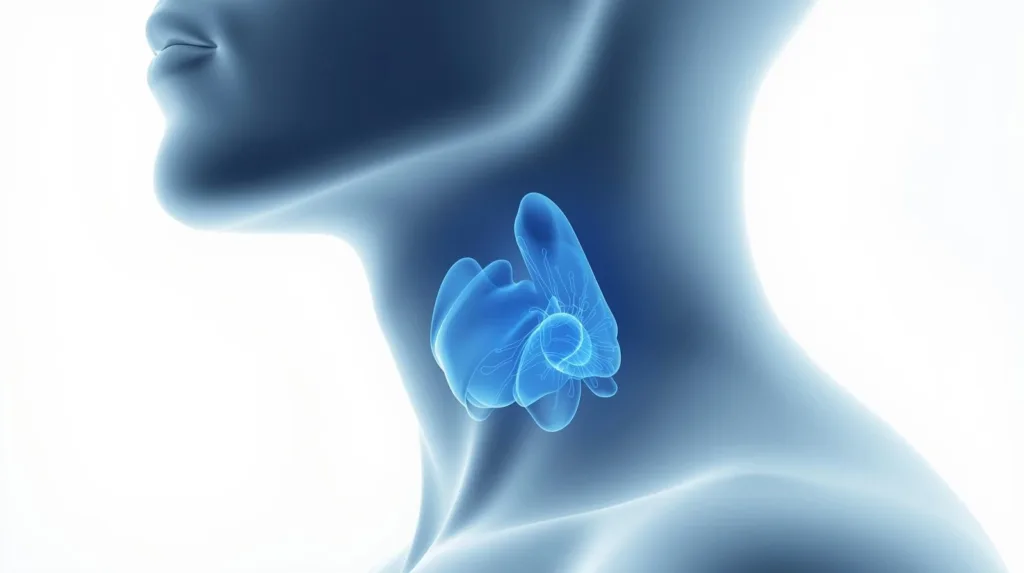
The thyroid is a small butterfly-shaped gland in the neck that regulates many critical functions, including:
- Metabolism
- Energy production
- Body temperature
- Hormone balance
- Brain function
- Heart rate
When the immune system attacks the thyroid, it can gradually reduce the gland’s ability to produce hormones, eventually leading to hypothyroidism (an underactive thyroid).
This process often develops slowly and can go undiagnosed for years.
Common Symptoms of Hashimoto’s
Many symptoms of Hashimoto’s can be subtle at first, which is why the condition is often missed.
Patients who come to our Charleston functional medicine clinic frequently report symptoms such as:
- Chronic fatigue
- Unexplained weight gain
- Brain fog or difficulty concentrating
- Depression or anxiety
- Hair thinning or hair loss
- Dry skin
- Cold intolerance
- Constipation
- Irregular menstrual cycles
- Fertility challenges
- Joint or muscle aches
Because these symptoms can overlap with many other conditions, it is important to look deeper at the underlying root causes.
Why Hashimoto’s is Often Misunderstood
Traditional medicine often treats thyroid disease by prescribing thyroid hormone replacement medication once hormone levels fall outside of the standard range.
While medication can be necessary and helpful for many patients, it does not address the autoimmune process that is driving the condition.
In other words, the immune system may still be attacking the thyroid.
This is where the functional medicine model provides a broader and more comprehensive approach.
The Functional Medicine Approach to Hashimoto’s
At Merge Medical Center in the Charleston area, our goal is not only to support thyroid hormone levels but also to investigate why the immune system is attacking the thyroid in the first place.
Functional medicine focuses on identifying and addressing the underlying triggers that contribute to autoimmune disease.
These triggers are often unique for each patient.
Common Root Causes of Hashimoto’s
Several factors can contribute to the development and progression of Hashimoto’s.
Gut Health and the Immune System
Approximately 70% of the immune system resides in the gut, which means digestive health plays a major role in autoimmune conditions.
Issues such as:
- Leaky gut
- Dysbiosis (imbalanced gut bacteria)
- Food sensitivities
- Chronic inflammation
can all influence immune system activity and potentially trigger autoimmune responses.
Nutrient Deficiencies
The thyroid relies on specific nutrients to function properly.
Deficiencies in nutrients such as:
- Selenium
- Zinc
- Iron
- Vitamin D
- Iodine
- B vitamins
can impact thyroid hormone production and immune regulation.
At Merge Medical Center, we evaluate nutrient levels to determine whether targeted support may be helpful.
Chronic Stress
Stress can significantly affect thyroid health.
When the body experiences chronic stress, cortisol levels rise, which can interfere with thyroid hormone conversion and immune regulation.
Over time, stress can contribute to both hormonal and immune imbalance.
Environmental Toxins
Environmental toxins are increasingly recognized as contributors to autoimmune conditions.
Chemicals found in plastics, pesticides, personal care products, and household cleaners can disrupt hormone signaling and immune function.
Reducing toxic exposure is often an important part of supporting thyroid health.
Blood Sugar Imbalances
Insulin resistance and unstable blood sugar can increase inflammation in the body, which may worsen autoimmune conditions such as Hashimoto’s.
Balancing blood sugar through nutrition and lifestyle is often an important component of functional medicine care.
Advanced Testing for Hashimoto’s
Many patients who visit Merge Medical Center in Charleston have had basic thyroid tests, but a deeper evaluation is often needed.
Functional medicine testing may include:
- Comprehensive thyroid panels (TSH, Free T3, Free T4, Reverse T3)
- Thyroid antibody testing (TPO and TG antibodies)
- Nutrient testing
- Gut microbiome analysis
- Food sensitivity testing
- Inflammation markers
This more complete picture allows us to create a personalized treatment strategy for each patient.
Supporting Thyroid Health Naturally
Once we identify potential root causes contributing to Hashimoto’s, we develop a personalized plan to support healing and balance.
Some of the strategies we may use include:
Nutrition
Food plays a powerful role in regulating inflammation and immune function.
Many patients benefit from:
- Anti-inflammatory diets
- Identifying food sensitivities
- Blood sugar stabilization
- Nutrient-dense whole foods
Gut Healing
Because gut health and immune health are so closely connected, improving digestive health is often a priority.
This may involve restoring healthy gut bacteria and supporting intestinal integrity.
Stress and Lifestyle Support
Addressing chronic stress and improving sleep patterns can significantly improve hormone and immune balance.
We often guide patients toward lifestyle practices that help regulate the nervous system and support long-term resilience.
Targeted Supplement Support
Based on testing results, targeted supplements may be recommended to support thyroid health, immune regulation, and inflammation reduction.
These are always individualized to the patient’s needs.
Why Patients in Charleston Are Turning to Functional Medicine
Many patients throughout Charleston, Mount Pleasant, and the surrounding Lowcountry are looking for healthcare that goes beyond symptom management.
Functional medicine allows us to look at the body as an interconnected system rather than isolated organs.
By addressing root causes rather than only symptoms, many patients experience improvements in:
- Energy levels
- Mental clarity
- Weight regulation
- Sleep quality
- Digestive health
- Hormonal balance

How Merge Medical Center Can Help
At Merge Medical Center, our goal is to help patients understand what is happening in their bodies and create a personalized plan for lasting health.
If you have been diagnosed with Hashimoto’s Thyroiditis or suspect your thyroid may be contributing to your symptoms, a functional medicine evaluation may provide deeper insight.
Our practice in the Charleston area focuses on identifying root causes, restoring balance, and helping patients feel like themselves again.
If you are experiencing symptoms of thyroid imbalance and live in the Charleston or Mount Pleasant area, our team at Merge Medical Center is here to help guide you toward a path of better health.