



Anemia is one of the most common yet often overlooked health conditions affecting millions of Americans. Many people assume feeling tired, weak, or foggy is simply part of a busy life—but these symptoms may signal a deeper issue within the body.
At Merge Medical Center, anemia is not just treated as a lab value—it is understood as a signal of imbalance. Through a combination of functional medicine, holistic care, and advanced diagnostics, the team focuses on identifying and correcting the root causes of anemia rather than masking symptoms.
If you’ve been struggling with fatigue, brain fog, or unexplained weakness, this comprehensive guide will help you understand anemia—and how a personalized, root-cause approach can restore your health.
What Is Anemia?
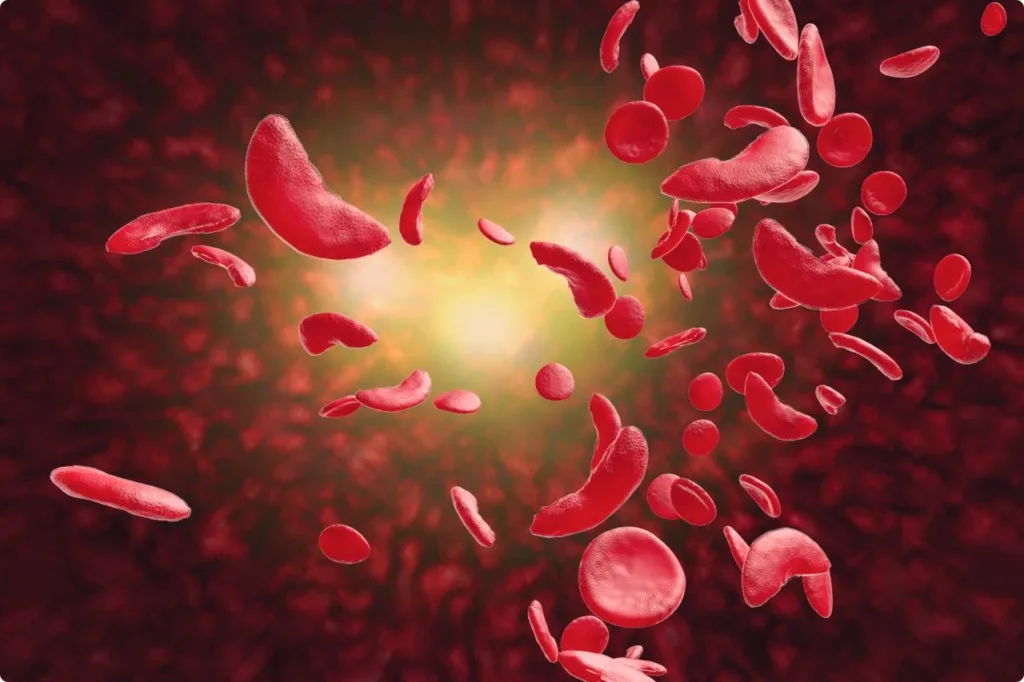
Anemia occurs when your body does not have enough healthy red blood cells or hemoglobin to carry oxygen efficiently throughout the body.
Hemoglobin is essential because it transports oxygen from your lungs to your tissues. Without enough oxygen, your cells cannot produce the energy needed for optimal function.
This is why anemia often presents with symptoms like:
- Chronic fatigue
- Weakness
- Shortness of breath
- Dizziness
- Pale skin
- Cold hands and feet
- Brain fog
These symptoms may start subtly but can worsen over time if left untreated.
Why Anemia Is Often Misunderstood
Traditional medicine typically categorizes anemia into types such as:
- Iron-deficiency anemia
- Vitamin B12 deficiency anemia
- Folate deficiency anemia
- Anemia of chronic disease
- Autoimmune or hemolytic anemia
While these classifications are helpful, they often fail to answer the most important question:
👉 Why did the anemia develop in the first place?
At Merge Medical Center, practitioners go deeper—looking at the body as an interconnected system rather than isolated symptoms.
The Functional Medicine Perspective on Anemia
Functional medicine views anemia as a downstream effect of dysfunction in one or more systems, including:
- Gut health
- Immune function
- Hormonal balance
- Nutrient absorption
- Chronic inflammation
Instead of simply prescribing iron supplements, the team at Merge Medical Center asks:
- Is the patient absorbing nutrients properly?
- Is there hidden inflammation or autoimmune activity?
- Could chronic stress or hormone imbalance be contributing?
- Is there gut dysfunction or “leaky gut”?
This approach leads to long-term resolution rather than temporary symptom relief.
Root Causes of Anemia (Beyond Iron Deficiency)
1. Nutrient Deficiencies
While iron deficiency is the most common cause of anemia, your body also requires:
- Vitamin B12
- Folate
- Vitamin C (for iron absorption)
- Protein
Without these, red blood cell production suffers.
However, many patients are not deficient because of poor intake—but because of poor absorption.
2. Gut Health Issues
The gut plays a critical role in nutrient absorption. Conditions that impair absorption include:
- Leaky gut syndrome
- Small intestinal bacterial overgrowth (SIBO)
- Celiac disease
- Chronic inflammation in the intestines
Even if you eat a nutrient-rich diet, you may still develop anemia if your gut isn’t functioning properly.
At Merge Medical Center, gut testing and microbiome analysis are often key parts of anemia treatment.
3. Chronic Inflammation
Inflammation can interfere with the body’s ability to produce and utilize red blood cells.
Conditions linked to inflammation-related anemia include:
- Autoimmune diseases
- Chronic infections
- Metabolic disorders
Inflammation essentially “locks away” iron, making it unavailable for use—even if levels appear normal on standard labs.
4. Hormonal Imbalances
Hormones play a significant role in red blood cell production.
For example:
- Thyroid disorders can slow metabolism and reduce blood cell production
- Adrenal dysfunction can impact energy and oxygen delivery
- Heavy menstrual cycles (often hormone-related) can lead to chronic blood loss
A functional medicine approach evaluates these hormonal patterns rather than treating anemia in isolation.
5. Chronic Blood Loss
Blood loss can occur from:
- Heavy menstrual cycles
- Gastrointestinal bleeding
- Ulcers or internal inflammation
Even small amounts of ongoing blood loss can lead to significant anemia over time.
6. Autoimmune Conditions
Some forms of anemia occur when the immune system attacks red blood cells or interferes with nutrient absorption.
These cases require a careful immune-modulating strategy, not just supplementation.
Symptoms You Should Never Ignore

Anemia symptoms are often dismissed as “normal,” but persistent signs should be evaluated.
Common symptoms include:
- Ongoing fatigue that doesn’t improve with rest
- Shortness of breath during simple activities
- Frequent headaches or dizziness
- Rapid or irregular heartbeat
- Pale or yellowish skin
- Brain fog or difficulty concentrating
In more severe cases, anemia can lead to serious complications, including heart issues if left untreated.
How Merge Medical Center Diagnoses Anemia Differently
At Merge Medical Center, testing goes far beyond a standard complete blood count (CBC).
A comprehensive evaluation may include:
Advanced Blood Panels
- Iron levels, ferritin, transferrin saturation
- Vitamin B12 and folate
- Inflammatory markers
- Thyroid function
Gut Health Testing
- Microbiome analysis
- Intestinal permeability (leaky gut) testing
- Digestive function markers
Hormone Testing
- Thyroid hormones
- Cortisol (stress hormone)
- Sex hormones
Functional Assessments
- Nutrient absorption efficiency
- Detoxification pathways
This deeper level of testing allows providers to uncover hidden causes that conventional testing often misses.
Holistic Treatment Strategies for Anemia
1. Targeted Nutritional Therapy
Rather than generic supplementation, treatment is customized based on deficiencies and absorption capacity.
This may include:
- Whole-food-based iron sources
- Methylated B vitamins
- Anti-inflammatory nutrition plans
- Gut-supportive nutrients
2. Gut Healing Protocols
If poor absorption is identified, treatment focuses on repairing the gut.
Protocols may include:
- Eliminating inflammatory foods
- Restoring beneficial gut bacteria
- Supporting digestive enzymes
- Healing intestinal lining
3. Reducing Inflammation
Lowering inflammation is critical for restoring normal iron metabolism.
This may involve:
- Anti-inflammatory diets
- Stress reduction techniques
- Addressing underlying infections
- Supporting immune balance
4. Hormone Optimization
Balancing hormones can significantly improve anemia, especially in women.
Treatment may include:
- Thyroid optimization
- Adrenal support
- Menstrual cycle regulation
5. Lifestyle Medicine
Healing anemia isn’t just about supplements—it’s about lifestyle.
Key recommendations include:
- Prioritizing sleep
- Managing stress
- Gentle movement and exercise
- Reducing toxin exposure
The Connection Between Anemia and Chronic Fatigue
One of the most common reasons patients visit Merge Medical Center is chronic fatigue.
Anemia is often a hidden contributor.
When your body lacks oxygen delivery:
- Cells produce less energy
- Muscles fatigue quickly
- Brain function slows
This is why many patients feel like they are “running on empty” despite adequate sleep.
Addressing anemia at its root often leads to:
- Improved energy
- Better mental clarity
- Enhanced overall vitality
Why Standard Iron Supplements Often Fail
Many patients have tried iron supplements without success.
This happens because:
- The root cause isn’t addressed
- The gut cannot absorb the supplement
- Inflammation blocks iron utilization
- The wrong type of iron is used
At Merge Medical Center, supplementation is strategic and personalized, ensuring the body can actually use what it receives.
Who Is Most at Risk for Anemia?
Certain groups are more vulnerable, including:
- Women with heavy menstrual cycles
- Pregnant women
- Individuals with digestive disorders
- People with autoimmune conditions
- Vegetarians or those with limited diets
- Adults over 65
Understanding your risk can help you take proactive steps toward prevention.
Preventing Anemia Naturally
While not all cases can be prevented, many can be reduced through:
Nutrient-Dense Diet
- Leafy greens
- Grass-fed meats
- Legumes and lentils
- Vitamin C-rich foods
Supporting Gut Health
- Avoid processed foods
- Incorporate probiotics
- Manage food sensitivities
Regular Testing
Early detection is key to preventing complications.
Why Choose Merge Medical Center in Charleston, South Carolina?

At Merge Medical Center, patients receive:
- Personalized, root-cause care
- Advanced functional testing
- Holistic, integrative treatment plans
- A focus on long-term wellness—not quick fixes
Located in the heart of Charleston, Merge Medical Center is dedicated to helping patients restore energy, balance, and optimal health naturally.
When to Seek Help
If you’re experiencing persistent fatigue, weakness, or unexplained symptoms, it’s important not to ignore them.
Anemia can be a sign of deeper dysfunction—and the sooner it’s addressed, the easier it is to correct.
Final Thoughts: A New Way to Approach Anemia
Anemia is not just a condition—it’s a message from your body.
Instead of asking:
❌ “What supplement do I need?”
Ask:
✅ “Why is my body struggling to maintain healthy blood levels?”
This shift in perspective is where true healing begins.
At Merge Medical Center, the goal is not just to treat anemia—but to restore the systems that keep your body functioning at its best.
Ready to Feel Like Yourself Again?
If you’re tired of temporary fixes and want real answers, consider a functional medicine approach.
Your energy, clarity, and vitality are worth it.