


Personalized Care at Merge Medical Center in Charleston, South Carolina

Digestive health is foundational to overall wellness, yet many chronic conditions affecting the stomach go undiagnosed or misunderstood for years. One such condition is Autoimmune Gastritis, a disorder that quietly impacts digestion, nutrient absorption, and long-term health.
For many individuals, symptoms are subtle at first—fatigue, bloating, or mild discomfort—but over time, autoimmune gastritis can lead to significant complications, including nutrient deficiencies and chronic inflammation.
At Merge Medical Center in Charleston, South Carolina, we take a functional medicine approach to autoimmune gastritis. Rather than simply managing symptoms, we focus on identifying and addressing the root causes driving immune dysfunction and stomach inflammation.
In this comprehensive guide, we’ll explore what autoimmune gastritis is, why it develops, and how a personalized, root-cause strategy can help restore digestive health and overall vitality.
What Is Autoimmune Gastritis?
Autoimmune gastritis is a chronic condition in which the immune system mistakenly attacks the stomach lining, specifically targeting the parietal cells that produce stomach acid and intrinsic factor.
These components are essential for:
- Proper digestion
- Absorption of key nutrients
- Protection against harmful bacteria
As the condition progresses, the stomach lining becomes inflamed and damaged, leading to reduced stomach acid and impaired nutrient absorption.
Why Autoimmune Gastritis Matters
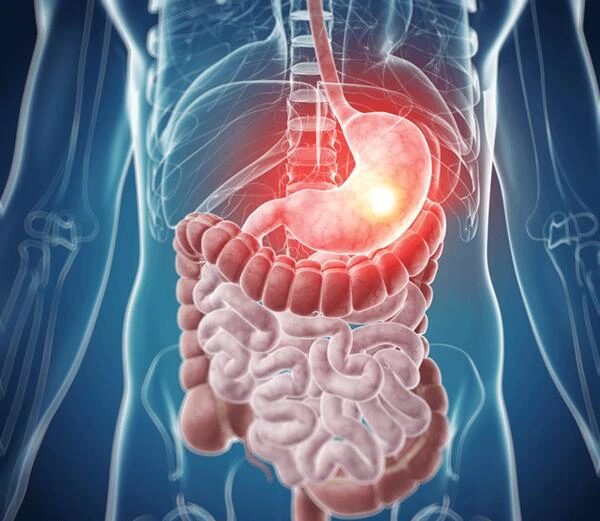
While it may start with mild or vague symptoms, autoimmune gastritis can have serious long-term effects.
One of the most significant consequences is the development of Vitamin B12 deficiency, due to the loss of intrinsic factor.
Over time, this can lead to:
- Pernicious anemia
- Neurological symptoms
- Chronic fatigue
- Cognitive difficulties
This highlights the importance of early detection and comprehensive care.
Symptoms of Autoimmune Gastritis
Symptoms can vary widely and may develop gradually.
Common signs include:
- Fatigue or low energy
- Bloating or indigestion
- Nausea
- Loss of appetite
- Abdominal discomfort
- Brain fog
- Pale skin
As the condition progresses, symptoms related to nutrient deficiencies may appear, such as:
- Tingling in hands and feet
- Memory issues
- Weakness
Because these symptoms are often nonspecific, autoimmune gastritis is frequently overlooked or misdiagnosed.
What Causes Autoimmune Gastritis?
The exact cause is not always clear, but several factors contribute to its development.
1. Immune System Dysfunction
Autoimmune gastritis occurs when the immune system attacks healthy stomach cells.
This dysfunction is often associated with other autoimmune conditions, such as:
- Hashimoto’s thyroiditis
- Type 1 Diabetes
- Vitiligo
This overlap suggests a systemic immune imbalance rather than an isolated stomach issue.
2. Genetic Predisposition
A family history of autoimmune disease may increase the likelihood of developing autoimmune gastritis.
However, genetics alone do not determine outcomes—environmental and lifestyle factors play a major role.
3. Chronic Inflammation
Inflammation is a key driver of tissue damage in autoimmune gastritis.
Triggers of chronic inflammation include:
- Poor diet
- Stress
- Environmental toxins
- Infections
4. Gut Health Imbalances
The health of the gut microbiome plays a crucial role in immune regulation.
Disruptions in gut health may contribute to:
- Immune system dysregulation
- Increased intestinal permeability (“leaky gut”)
- Ongoing inflammation
5. Nutrient Deficiencies
Deficiencies in certain nutrients can both contribute to and result from autoimmune gastritis.
Key nutrients include:
- Vitamin B12
- Iron
- Folate
This creates a cycle where poor absorption worsens overall health.
The Functional Medicine Perspective

Functional medicine views autoimmune gastritis as part of a larger system imbalance.
Instead of asking:
“How do we reduce stomach inflammation?”
We ask:
“Why is the immune system attacking the stomach in the first place?”
At Merge Medical Center, we explore:
- Immune system triggers
- Gut health integrity
- Nutritional status
- Hormonal balance
- Lifestyle factors
This deeper investigation allows for more targeted and effective treatment.
How Merge Medical Center Diagnoses Autoimmune Gastritis
At Merge Medical Center in Charleston, South Carolina, we go beyond standard testing to uncover root causes.
A comprehensive evaluation may include:
Advanced Blood Testing
- Vitamin B12 levels
- Iron studies
- Autoimmune markers
- Inflammatory markers
Digestive Testing
- Stomach acid levels
- Microbiome analysis
- Intestinal permeability testing
Lifestyle Assessment
- Diet
- Stress levels
- Environmental exposures
This approach provides a complete picture of your health, allowing for a personalized treatment plan.
Functional Medicine Treatments for Autoimmune Gastritis

1. Restoring Digestive Function
Because stomach acid production is often impaired, supporting digestion is essential.
This may include:
- Digestive support protocols
- Nutrient repletion
- Dietary adjustments
2. Healing the Gut
Gut healing is a cornerstone of treatment.
Protocols may involve:
- Removing inflammatory foods
- Restoring beneficial bacteria
- Repairing the gut lining
Improving gut health can help regulate immune function and reduce inflammation.
3. Addressing Immune Imbalance
Balancing the immune system is key.
This may include:
- Identifying autoimmune triggers
- Reducing inflammation
- Supporting immune regulation
4. Correcting Nutrient Deficiencies
Targeted supplementation is used to restore critical nutrients, especially:
- Vitamin B12
- Iron
- Folate
This helps improve energy, cognition, and overall health.
5. Anti-Inflammatory Nutrition
Diet plays a powerful role in reducing inflammation.
We guide patients toward:
- Whole, nutrient-dense foods
- Anti-inflammatory diets
- Personalized nutrition plans
6. Stress Management
Chronic stress can worsen autoimmune conditions.
We support patients with:
- Stress reduction techniques
- Lifestyle modifications
- Mind-body practices
The Link Between Autoimmune Gastritis and Fatigue
Fatigue is one of the most common complaints among patients.
This occurs due to:
- Poor nutrient absorption
- Vitamin B12 deficiency
- Chronic inflammation
Addressing these root causes can significantly improve energy levels.
Long-Term Risks if Left Untreated
Without proper care, autoimmune gastritis can lead to:
- Pernicious anemia
- Severe nutrient deficiencies
- Neurological complications
- Increased risk of stomach disorders
Early intervention is critical to prevent these outcomes.
Why a Personalized Approach Matters
No two patients are the same.
At Merge Medical Center, we create individualized care plans based on:
- Lab results
- Symptoms
- Lifestyle
- Health history
This personalized approach leads to more effective and sustainable results.
Preventing Progression
While autoimmune gastritis cannot always be prevented, progression can often be slowed.
Key strategies include:
- Supporting gut health
- Reducing inflammation
- Managing stress
- Maintaining proper nutrition
Why Patients in Charleston Choose Merge Medical Center
Patients in Charleston and surrounding areas choose Merge Medical Center for:
- Functional, root-cause medicine
- Comprehensive testing
- Personalized care
- Holistic treatment plans
- Focus on long-term wellness
Living Well with Autoimmune Gastritis
With the right approach, many patients experience:
- Improved digestion
- Increased energy
- Better nutrient absorption
- Reduced inflammation
Functional medicine provides a path toward better health—not just symptom management.
When to Seek Help

If you’re experiencing ongoing digestive issues, fatigue, or unexplained nutrient deficiencies, it may be time to look deeper.
Autoimmune gastritis is often missed—but with the right testing and approach, it can be identified and managed effectively.
Final Thoughts: A New Approach to Digestive Health
Autoimmune gastritis is more than a stomach condition—it’s a reflection of immune system imbalance.
Instead of asking:
“How do I stop the symptoms?”
Ask:
“What is causing my body to attack itself?”
At Merge Medical Center in Charleston, South Carolina, we help you answer that question—and guide you toward lasting healing.