


A Holistic Approach with Merge Medical Center in Charleston, South Carolina

Cancer recovery is not simply about finishing treatment—it’s about rebuilding your body, restoring your energy, and reclaiming your life. Many patients find that even after chemotherapy, radiation, or surgery, they continue to struggle with fatigue, brain fog, inflammation, hormone imbalances, and weakened immunity.
At Merge Medical Center in Charleston, South Carolina, the focus goes beyond conventional follow-up care. By integrating functional medicine and holistic therapies, patients are supported through every phase of recovery—helping the body heal deeply, not just superficially.
In this comprehensive guide, we’ll explore what functional medicine looks like during cancer recovery, why it matters, and how a personalized, whole-body approach can help you regain strength, resilience, and long-term wellness.
Understanding Cancer Recovery: More Than Remission
When treatment ends, many patients expect to feel “back to normal.” Instead, they often experience:
- Persistent fatigue
- Brain fog or memory issues
- Digestive problems
- Hormonal imbalances
- Chronic inflammation
- Emotional stress or anxiety
- Immune suppression
This phase is sometimes referred to as “survivorship,” but it can feel anything but thriving.
Why Does This Happen?
Cancer treatments, while life-saving, can:
- Damage healthy cells
- Disrupt gut health
- Deplete essential nutrients
- Alter hormone production
- Increase oxidative stress
That’s where functional medicine steps in.
What Is Functional Medicine in Cancer Recovery?
Functional medicine is a patient-centered, root-cause approach that focuses on restoring balance in the body.
Instead of asking:
👉 “What drug treats this symptom?”
It asks:
👉 “Why is this symptom happening, and how can we fix the underlying imbalance?”
At Merge Medical Center, this approach is tailored to each individual’s:
- Medical history
- Treatment experience
- Genetic predispositions
- Lifestyle and environment
Key Principles of Functional Medicine After Cancer
1. Personalized Care Plans
No two cancer journeys are the same. Functional medicine recognizes that recovery must be individualized.
2. Root Cause Healing
Instead of masking fatigue or inflammation, practitioners identify why these issues persist.
3. Systems-Based Approach
The body is interconnected. Recovery involves:
- Gut health
- Immune function
- Hormonal balance
- Detoxification pathways
4. Integrative Support
Functional medicine works alongside conventional oncology care—not against it.
The Role of Merge Medical Center in Charleston, SC
Located in the Charleston area, Merge Medical Center provides a comprehensive, holistic recovery model designed for patients who want more than standard follow-up care.
Their Approach Combines
- Advanced lab testing
- Nutritional therapy
- Hormone balancing
- Lifestyle medicine
- Stress reduction strategies
The goal?
👉 To help patients not just survive—but truly thrive after cancer.
Common Challenges After Cancer Treatment
1. Chronic Fatigue
Many patients experience deep exhaustion that doesn’t improve with rest.
Root Causes May Include
- Mitochondrial dysfunction
- Nutrient depletion
- Hormonal imbalance
Functional Solutions
- Targeted supplementation
- Energy-supportive nutrition
- Sleep optimization
2. Brain Fog
Difficulty concentrating or remembering things is extremely common.
Possible Causes
- Inflammation
- Blood sugar imbalance
- Neurotransmitter disruption
Support Strategies
- Anti-inflammatory diet
- Cognitive-support nutrients
- Stress management techniques
3. Gut Dysfunction
Chemotherapy and medications can damage the gut lining and microbiome.
Symptoms Include
- Bloating
- Food sensitivities
- Constipation or diarrhea
Functional Medicine Approach
- Microbiome restoration
- Gut-healing protocols
- Elimination diets
4. Hormonal Imbalances
Cancer treatments can disrupt hormones like:
- Estrogen
- Progesterone
- Testosterone
- Cortisol
This May Lead To
- Weight gain
- Mood swings
- Sleep issues
At Merge Medical Center, hormone health is carefully evaluated and balanced naturally when possible.
5. Immune System Weakness
After treatment, the immune system often needs rebuilding.
Functional Support Includes
- Nutrient optimization
- Anti-inflammatory lifestyle changes
- Immune-supportive therapies
Nutrition: The Foundation of Recovery

Food becomes medicine during cancer recovery.
Anti-Inflammatory Diet Principles
Patients are often guided toward:
- Whole, unprocessed foods
- Organic vegetables and fruits
- Healthy fats (avocado, olive oil)
- Clean protein sources
Foods to Limit
- Refined sugar
- Processed foods
- Inflammatory oils
- Excess alcohol
Nutrition plans at Merge Medical Center are customized, not one-size-fits-all.
Detoxification: Supporting the Body’s Natural Systems
Cancer treatments can leave behind a toxic burden.
Functional medicine focuses on enhancing the body’s detox pathways:
- Liver support
- Lymphatic drainage
- Hydration
- Sweating (sauna therapy when appropriate)
This is done safely and gradually—never aggressively.
Stress and Emotional Healing
Cancer recovery isn’t just physical—it’s emotional.
Many patients experience:
- Anxiety about recurrence
- Depression
- PTSD-like symptoms
Holistic Support Includes
- Mindfulness practices
- Breathwork
- Counseling or coaching
- Nervous system regulation
At Merge Medical Center, emotional health is treated as an essential part of healing—not an afterthought.
Sleep: The Overlooked Healing Tool
Sleep is critical for:
- Immune function
- Hormone balance
- Brain repair
Functional Medicine Sleep Assessment
Functional medicine practitioners assess:
- Sleep quality
- Circadian rhythm
- Stress hormone levels
And create personalized plans to improve restorative sleep.
Advanced Testing in Functional Medicine
One of the biggest advantages of functional medicine is in-depth testing.
At Merge Medical Center, patients may receive:
- Comprehensive blood panels
- Hormone testing
- Gut microbiome analysis
- Nutrient deficiency testing
This data allows practitioners to create highly targeted recovery plans.
Supplements: Strategic, Not Random
Supplements are often used—but only when needed.
Common Supplement Categories
- Antioxidants
- Omega-3 fatty acids
- Vitamin D
- Adaptogens
- Gut-repair nutrients
The key difference?
👉 Supplements are chosen based on your body’s specific needs, not trends.
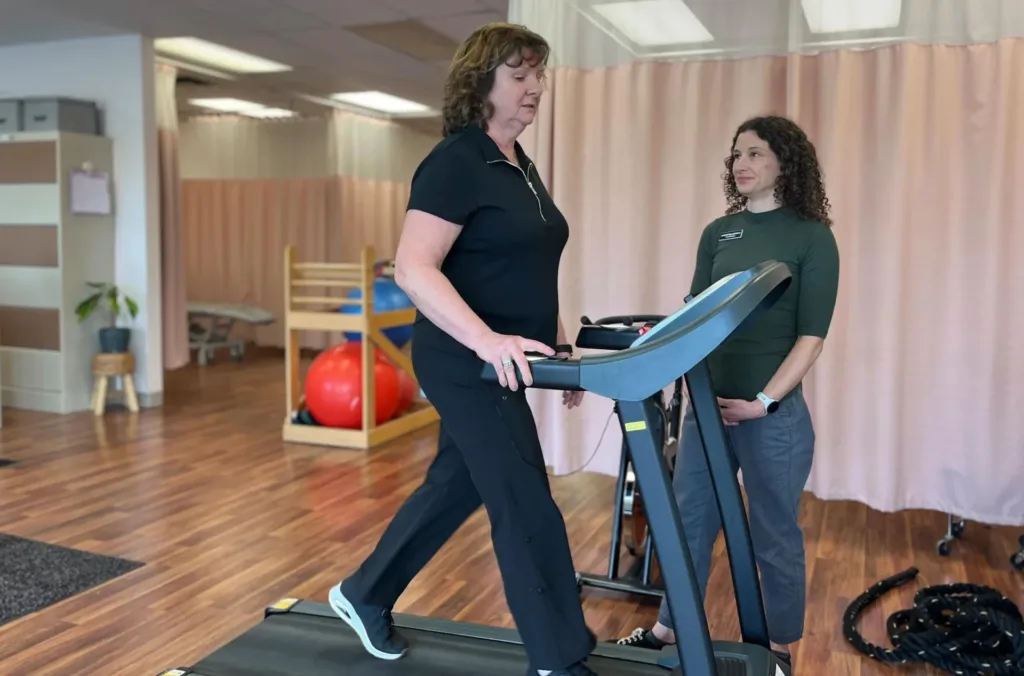
Movement and Exercise in Recovery
Exercise is important—but must be approached carefully.
Benefits
- Improves energy
- Reduces inflammation
- Supports mental health
Functional Approach
- Start slow
- Focus on consistency
- Include restorative movement like yoga or walking
Merge Medical Center helps patients build sustainable movement routines that support healing—not exhaustion.
Preventing Recurrence: A Functional Perspective
While no approach can guarantee prevention, functional medicine focuses on reducing risk factors.
Key Areas of Focus
- Lowering chronic inflammation
- Supporting detox pathways
- Balancing hormones
- Strengthening immune function
The goal is to create an internal environment that is less supportive of disease.
Why Patients Choose Merge Medical Center in Charleston

Patients in Charleston and surrounding areas turn to Merge Medical Center because they want:
- Personalized care
- Root-cause solutions
- A holistic approach
- Ongoing support—not just checkups
What Sets Them Apart?
- Time spent with patients
- Comprehensive testing
- Integrative therapies
- Focus on long-term wellness
A Day in a Functional Medicine Recovery Plan
While every plan is unique, a typical day might include:
Morning
- Nutrient-rich breakfast
- Targeted supplements
- Light movement
Afternoon
- Balanced meals
- Stress management practices
- Hydration
Evening
- Anti-inflammatory dinner
- Relaxation techniques
- Sleep optimization
Everything is designed to support the body’s natural healing rhythms.
Common Myths About Functional Medicine and Cancer
Myth #1: It Replaces Conventional Care
Truth: It complements it.
Myth #2: It’s Just Supplements
Truth: It’s a comprehensive lifestyle and medical approach.
Myth #3: It Works Instantly
Truth: Healing takes time—but results are sustainable.
When Should You Start Functional Medicine?
The best time is:
- During recovery
- After treatment ends
- Even years later if symptoms persist
It’s never too late to support your body’s healing process.
Questions to Ask Before Starting
If you’re considering functional medicine, ask:
- What testing will be done?
- How personalized is the plan?
- How is progress tracked?
- How does this integrate with my oncology care?
Merge Medical Center emphasizes transparency and collaboration every step of the way.
Healing Beyond Treatment
Cancer recovery is a journey—not a finish line.
While conventional medicine focuses on eliminating disease, functional medicine focuses on restoring health.
At Merge Medical Center in Charleston, South Carolina, patients receive:
- Compassionate care
- Personalized strategies
- Whole-body healing support
Because recovery isn’t just about surviving cancer—it’s about rebuilding a vibrant, healthy life.