


How the Gut-Brain Connection May Influence Your Mood, Energy, and Overall Health
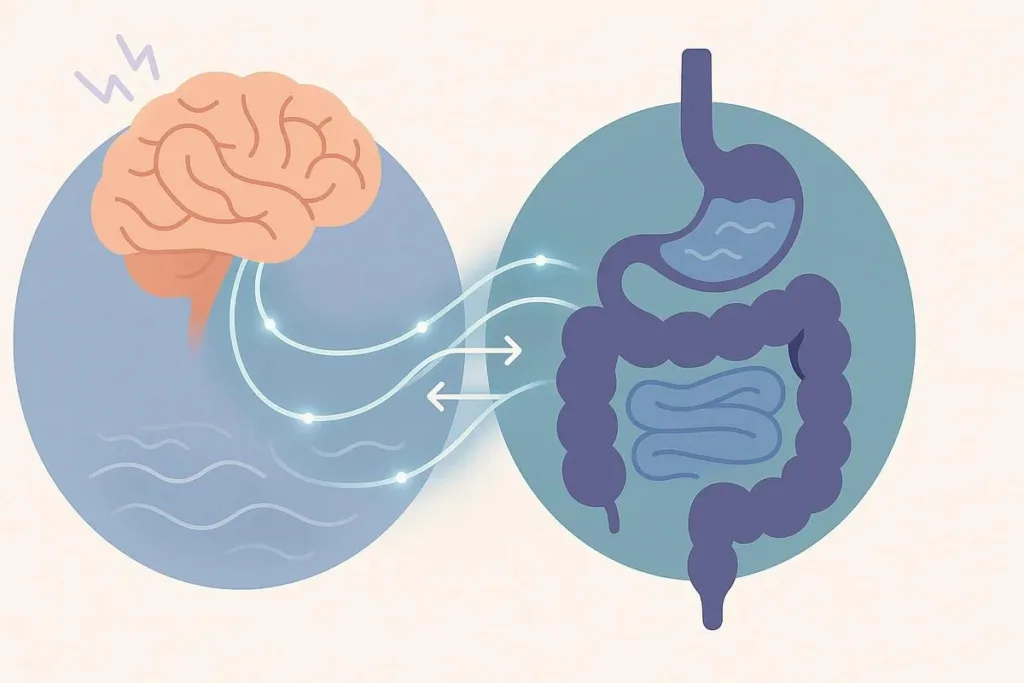
Have you ever noticed that your stomach seems to react when you’re stressed?
Maybe you lose your appetite before an important event. Perhaps stress causes bloating or digestive discomfort. Or maybe you’ve experienced brain fog, fatigue, or changes in your mood at the same time as digestive problems.
These experiences aren’t necessarily a coincidence.
Your digestive system and brain are in constant communication through a complex network often referred to as the gut-brain connection.
At Merge Medical Center in Charleston, South Carolina, we take a functional medicine approach to understanding how different systems of the body work together. When patients experience digestive problems alongside fatigue, brain fog, mood changes, or other chronic symptoms, looking at the connection between the gut and brain can be an important part of understanding the bigger picture.
What Is the Gut-Brain Connection?
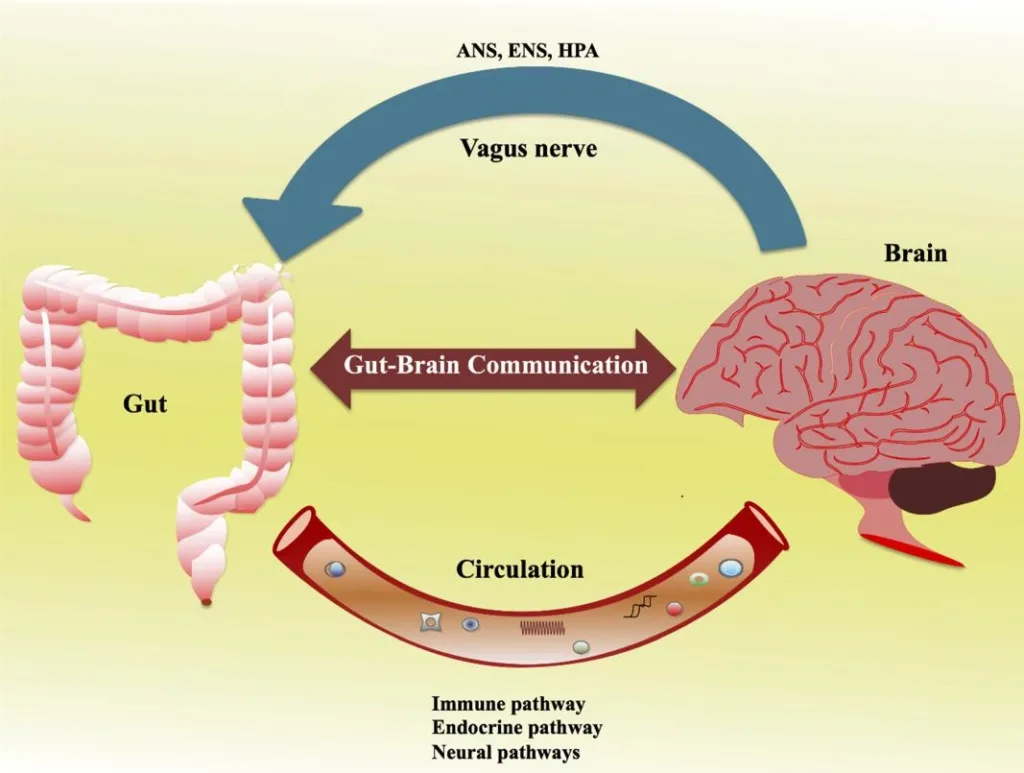
The gut-brain connection refers to the ongoing communication between your gastrointestinal system and your brain.
This communication involves several pathways, including:
- The nervous system
- The immune system
- Hormones
- The gut microbiome
- Metabolic signals
One of the most important pathways is the gut-brain axis, which allows the digestive system and brain to continually communicate.
This helps explain why changes in one system can sometimes be associated with changes in the other.
Your Gut Is More Than a Digestive System
We often think about the gut simply as the place where food is digested.
But your gastrointestinal system has many important functions.
It helps:
- Digest and absorb nutrients
- Interact with the immune system
- House trillions of microorganisms
- Communicate with the nervous system
- Participate in metabolic regulation
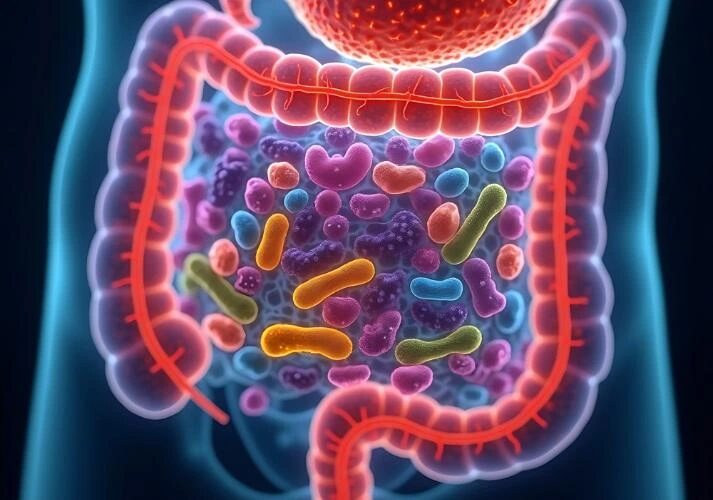
The microorganisms living in your digestive tract are collectively known as the gut microbiome.
The microbiome is influenced by factors such as diet, medications, lifestyle, environment, and overall health.
While researchers are still learning about the full significance of the microbiome, it is clear that the gut and its microorganisms interact with many systems throughout the body.
Can Gut Health Affect Your Brain?
The gut does not operate independently from the rest of your body.
Communication between the gut and brain can involve the vagus nerve, immune signaling, hormones, and substances produced by microorganisms in the digestive tract.
This may help explain why digestive problems can sometimes occur alongside:
- Brain fog
- Fatigue
- Changes in mood
- Difficulty concentrating
- Sleep problems
- Headaches
This doesn’t mean that every case of brain fog is caused by poor gut health.
There are many potential causes of these symptoms.
But when digestive symptoms and neurological or mood-related symptoms occur together, the relationship may be worth discussing with a healthcare professional.
The Gut-Brain Connection and Brain Fog
Brain fog isn’t a medical diagnosis, but many people use the term to describe difficulty thinking clearly.
You may feel like:
- You’re having trouble concentrating
- You forget things more easily
- Your thoughts feel slow
- You struggle to find words
- You’re mentally exhausted
Brain fog can have many causes, including inadequate sleep, stress, hormonal changes, nutritional deficiencies, medications, thyroid problems, infections, and other health conditions.
Digestive health may be one part of the larger picture.
At Merge Medical Center, the goal is not to assume that every symptom comes from the gut. Instead, a functional medicine approach considers the individual’s complete health history.
Stress, Your Brain, and Your Gut
The gut-brain relationship works in both directions.
Stress can affect the digestive system, while digestive discomfort can contribute to stress.
You may notice that stressful periods are accompanied by:
- Bloating
- Changes in bowel movements
- Abdominal discomfort
- Reflux
- Changes in appetite
This is one reason stress management can be an important part of supporting digestive and overall health.
Strategies such as regular movement, adequate sleep, relaxation techniques, time outdoors, and healthy social connections can all support overall well-being.
Nutrition Matters
One of the most important ways to support digestive health is through a balanced, nutrient-dense diet.
Rather than focusing on a single “gut-healing” food or supplement, functional medicine generally looks at the overall dietary pattern.
Depending on your individual needs, a healthy eating pattern may include:
- Vegetables
- Fruits
- High-quality protein
- Healthy fats
- Fiber-rich foods
- Whole grains or other appropriate carbohydrates
- Adequate hydration
Fiber is particularly important because many types of beneficial gut bacteria use dietary fiber as a fuel source.
However, individual nutritional needs vary.
If you have a diagnosed digestive condition, food allergy, intolerance, or another medical concern, your nutritional plan may need to be personalized.
What Can Disrupt Gut Health?
Many factors can influence digestive health.
These may include:
Diet
A diet lacking variety and fiber may provide fewer nutrients that support a healthy microbiome.
Stress
Chronic stress can influence digestion, appetite, and gastrointestinal symptoms.
Sleep
Poor sleep can affect multiple systems involved in overall health.
Medications
Certain medications can affect the digestive system or alter the gut microbiome.
Alcohol
Excessive alcohol consumption can negatively affect gastrointestinal health.
Illness
Infections and other medical conditions can alter digestion and gut function.
Lack of Movement
Regular physical activity supports overall metabolic and digestive health.
Is “Leaky Gut” Really a Thing?
You may have heard the term “leaky gut” frequently online.
The medical concept often referred to as increased intestinal permeability is a real area of scientific research.
The intestinal lining acts as a barrier between the contents of the digestive tract and the rest of the body. Changes in intestinal permeability can occur in association with certain diseases and inflammatory conditions.
However, online claims often go far beyond what current evidence supports.
It is important to be cautious of claims that “leaky gut” is the hidden cause of nearly every chronic illness.
At Merge Medical Center, the goal is to evaluate your actual symptoms and medical history rather than automatically assigning them to one explanation.
The Gut-Brain Connection and Hormones
Hormones also participate in communication between different systems of the body.
Changes in hormonal health can influence:
- Digestion
- Appetite
- Sleep
- Mood
- Energy
- Metabolism
For example, hormonal changes during perimenopause and menopause can affect multiple aspects of health at the same time.
When symptoms overlap across several systems, looking at them together can provide useful context.
How Functional Medicine Looks at Gut and Brain Health

Functional medicine takes a systems-based approach.
Instead of treating digestive symptoms and brain fog as completely unrelated problems, a provider may ask:
What is happening with digestion?
How is the patient sleeping?
What does their diet look like?
Are there nutritional deficiencies?
What medications are they taking?
Are hormones involved?
Is there chronic stress?
Are there signs of inflammation or another medical condition?
This doesn’t mean every patient needs extensive testing or a complicated treatment plan.
The goal is to determine what information is actually relevant to that individual.
What Happens at Merge Medical Center?
At Merge Medical Center in Charleston, SC, we work with patients experiencing chronic and complex health concerns who are ready to take an active role in their health.
Your evaluation may begin with a detailed discussion about:
- Your digestive symptoms
- Energy levels
- Sleep
- Nutrition
- Stress
- Medications
- Hormonal health
- Medical history
- Family history
- Other symptoms
Depending on your situation, your provider may recommend appropriate laboratory testing or other evaluation.
The goal is to create a personalized plan based on your needs—not a one-size-fits-all protocol.
Supporting Your Gut and Brain Naturally
There isn’t one magic supplement that can “fix” the gut-brain connection.
Instead, foundational habits can make a meaningful difference in overall health.
Eat a Diverse Diet
A variety of whole foods provides different nutrients and types of dietary fiber.
Prioritize Sleep
Consistent, restorative sleep supports both mental and physical health.
Move Regularly
Walking, strength training, and other appropriate forms of physical activity support metabolic and overall health.
Manage Stress
Stress management isn’t about eliminating stress. It’s about giving your body opportunities to recover.
Stay Hydrated
Adequate hydration supports digestion and many other body functions.
Avoid Unnecessary Restrictive Diets
Eliminating large numbers of foods without a clear reason can make nutrition more difficult and may create deficiencies.
When Should You Talk to a Healthcare Provider?
Digestive symptoms are common, but persistent symptoms shouldn’t automatically be dismissed.
Consider discussing your symptoms with a healthcare professional if you’re experiencing:
- Chronic bloating
- Persistent diarrhea or constipation
- Abdominal pain
- Unexplained weight changes
- Ongoing fatigue
- Persistent brain fog
- Significant changes in appetite
- Reflux that doesn’t improve
- Blood in the stool
- Unexplained anemia
- Symptoms that are interfering with your daily life
Certain symptoms, including severe abdominal pain, significant bleeding, persistent vomiting, difficulty swallowing, or unexplained major weight loss, require prompt medical evaluation.
The Bigger Picture of Your Health
Your body isn’t made up of isolated systems.
Your digestive system communicates with your brain. Your brain influences your stress response. Your hormones influence metabolism and sleep. Your immune system interacts with both your gut and nervous system.
This interconnectedness is one of the reasons a whole-person approach can be valuable.
At Merge Medical Center, functional medicine is about stepping back and looking at the bigger picture while still using appropriate medical evaluation and evidence-based care.
You don’t have to choose between addressing symptoms and understanding the bigger picture.
Both matter.
Functional Medicine for Gut Health in Charleston, SC
If you’re searching for functional medicine in Charleston, SC and experiencing a combination of digestive symptoms, fatigue, brain fog, or other chronic concerns, Merge Medical Center can help you explore the bigger picture of your health.
The goal isn’t to promise that every symptom has one root cause.
The goal is to ask better questions, gather meaningful information, and develop a personalized approach to your health.
Your gut and brain are constantly communicating.
Your healthcare should consider that connection, too.
Ready to Take a Closer Look at Your Health?
If digestive problems, brain fog, fatigue, or other persistent symptoms are affecting your quality of life, consider speaking with the team at Merge Medical Center in Charleston, South Carolina.
Understanding your symptoms is the first step toward making informed decisions about your health.