



Functional Medicine Insights from Merge Medical Center
Heart disease remains the leading cause of death in the United States, yet many people still believe it’s a condition that only becomes relevant later in life. The truth is far more concerning—and empowering: heart disease often begins decades before symptoms ever appear.
At Merge Medical Center, prevention is the foundation of care. Using a functional medicine approach, the focus shifts from reacting to disease to identifying early imbalances and addressing root causes long before a diagnosis is made.
This blog explores why heart disease prevention must start earlier than you think, the hidden factors that contribute to cardiovascular risk, and how a holistic approach can protect your long-term heart health.
The Silent Progression of Heart Disease
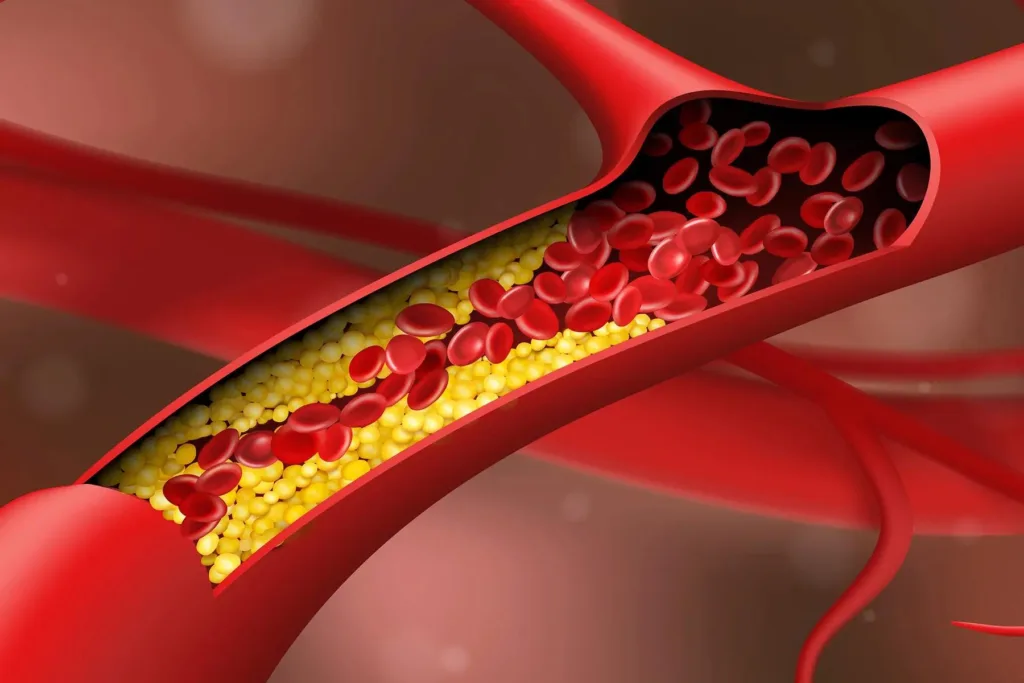
Heart disease doesn’t happen overnight. It develops slowly through a process called atherosclerosis—the buildup of plaque inside arteries.
This process can begin in:
- Your teens or early 20s
- Your 30s during periods of stress or poor lifestyle habits
- Even childhood, depending on diet and environment
By the time symptoms like chest pain or shortness of breath appear, the disease is often advanced.
Why Early Prevention Matters
Waiting until your 50s or 60s to think about heart health is like waiting until your car engine fails before changing the oil.
Early prevention allows you to:
- Reduce inflammation before damage occurs
- Maintain healthy blood vessels
- Balance cholesterol naturally
- Prevent plaque buildup
- Support optimal circulation
At Merge Medical Center, patients are encouraged to assess cardiovascular risk early—even if they feel perfectly healthy.
Traditional Risk Factors vs. Root Causes
Conventional medicine often focuses on standard risk factors:
- High LDL cholesterol
- High blood pressure
- Smoking
- Diabetes
- Obesity
While these are important, they don’t tell the whole story.
Functional medicine looks deeper at why these issues develop in the first place.
Hidden Root Causes of Heart Disease
1. Chronic Inflammation
Inflammation is one of the biggest drivers of cardiovascular disease. It damages blood vessels and accelerates plaque formation.
Sources of inflammation include:
- Poor diet
- Chronic stress
- Gut dysfunction
- Environmental toxins
- Autoimmune activity
2. Blood Sugar Imbalance
Even slightly elevated blood sugar can damage blood vessels over time.
Insulin resistance contributes to:
- Increased triglycerides
- Lower HDL (“good”) cholesterol
- Higher inflammation
- Greater plaque buildup
3. Hormonal Imbalances
Hormones play a major role in cardiovascular health.
For example:
- Low estrogen can increase heart disease risk in women
- High cortisol (stress hormone) raises blood pressure
- Thyroid dysfunction affects cholesterol metabolism
4. Gut Health and the Microbiome
Emerging research shows a strong connection between gut health and heart disease.
An imbalanced gut can:
- Increase systemic inflammation
- Affect cholesterol metabolism
- Produce harmful compounds like TMAO
5. Nutrient Deficiencies
Your heart depends on key nutrients to function properly.
Common deficiencies include:
- Magnesium
- Omega-3 fatty acids
- CoQ10
- Vitamin D
These deficiencies can impact blood pressure, rhythm, and overall heart function.
6. Environmental Toxins
Exposure to toxins such as heavy metals, air pollution, and chemicals can:
- Damage blood vessels
- Increase oxidative stress
- Disrupt hormone balance
Early Warning Signs You Shouldn’t Ignore
Heart disease often presents subtle symptoms long before a major event occurs.
These may include:
- Fatigue or low energy
- Brain fog
- Shortness of breath with mild exertion
- Poor exercise tolerance
- Cold hands and feet
- Sleep disturbances
These symptoms are often dismissed but may signal underlying cardiovascular stress.
Functional Medicine Testing for Heart Health
At Merge Medical Center, advanced testing provides a more complete picture of cardiovascular risk.
This may include:
- Advanced lipid panels (particle size and number)
- Inflammatory markers (CRP, homocysteine)
- Blood sugar and insulin levels
- Hormone testing
- Nutrient status
- Gut health analysis
This comprehensive approach allows for early intervention—before disease develops.
Lifestyle Factors That Shape Your Heart Health

Nutrition: The Foundation of Prevention
Food directly impacts inflammation, cholesterol, and blood sugar.
A heart-supportive diet includes:
- Whole, unprocessed foods
- Healthy fats (olive oil, nuts, fatty fish)
- High-fiber vegetables
- Clean protein sources
Reducing sugar, refined carbs, and processed foods is essential.
Movement and Exercise
Regular physical activity:
- Improves circulation
- Lowers blood pressure
- Enhances insulin sensitivity
- Supports healthy cholesterol levels
Even moderate activity like walking can have powerful benefits.
Stress Management
Chronic stress is one of the most underestimated risk factors for heart disease.
It can:
- Raise blood pressure
- Increase inflammation
- Disrupt hormones
Incorporating stress-reducing practices such as meditation, breathing exercises, or yoga can significantly improve heart health.
Sleep Quality
Poor sleep is strongly linked to cardiovascular disease.
Sleep deprivation can:
- Increase cortisol
- Disrupt blood sugar
- Raise blood pressure
Prioritizing 7–9 hours of quality sleep is essential for prevention.
The Role of Functional Medicine in Prevention
Functional medicine shifts the focus from symptom management to root cause resolution.
At Merge Medical Center, this means:
- Identifying early imbalances
- Creating personalized treatment plans
- Addressing lifestyle, nutrition, and environmental factors
- Supporting long-term health, not just short-term fixes
Can Heart Disease Be Reversed?
In many cases, early-stage heart disease can be slowed—or even reversed—through lifestyle and functional medicine interventions.
Key strategies include:
- Reducing inflammation
- Improving metabolic health
- Supporting detoxification
- Optimizing nutrient levels
The earlier these changes are made, the greater the impact.
Prevention by Age: When Should You Start?
In Your 20s and 30s
- Build healthy habits
- Monitor blood sugar and cholesterol
- Manage stress
In Your 40s
- Assess hormone balance
- Check inflammation markers
- Evaluate cardiovascular risk more closely
In Your 50s and Beyond
- Focus on maintaining vascular health
- Address any existing conditions
- Continue lifestyle optimization
No matter your age, it’s never too early—or too late—to start.
A Personalized Approach to Heart Health

Every individual has unique risk factors influenced by:
- Genetics
- Lifestyle
- Environment
- Medical history
That’s why a personalized plan is essential.
At Merge Medical Center, care is tailored to each patient, ensuring the most effective and sustainable results.
The Future of Heart Disease Prevention
Healthcare is shifting toward prevention—and for good reason.
By focusing on:
- Early detection
- Root cause analysis
- Holistic treatment
we can dramatically reduce the burden of heart disease.
Functional medicine is leading this transformation, empowering patients to take control of their health long before disease develops.
Final Thoughts
Heart disease doesn’t start with a heart attack—it starts years, even decades, earlier.
The choices you make today—what you eat, how you manage stress, how you sleep—shape your cardiovascular future.
By taking a proactive, functional medicine approach, you can protect your heart, improve your overall health, and prevent disease before it begins.
If you’re ready to take control of your heart health, the team at Merge Medical Center offers personalized, root-cause care designed to support long-term wellness.