



Why Functional Medicine Is the Best Route for Hormonal Balance
Personalized Care at Merge Medical Center in Charleston, South Carolina
Hormones influence nearly every system in the body—from energy levels and mood to metabolism, sleep, and overall vitality. When hormones become imbalanced, symptoms can quietly disrupt daily life and long-term health.
Hormone Replacement Therapy (HRT) is often presented as a solution for symptoms related to aging, menopause, and hormonal decline. While conventional HRT can provide symptom relief, it frequently overlooks why hormone imbalances occur in the first place.
At Merge Medical Center in Charleston, South Carolina, we take a functional medicine approach to hormone replacement therapy. Rather than offering a one-size-fits-all solution, we focus on identifying root causes, restoring balance, and supporting the body’s natural ability to regulate hormones safely and effectively.
In this comprehensive guide, we’ll explore what hormone replacement therapy is, its benefits and limitations, and why functional medicine offers a more sustainable path to hormonal health.
What Is Hormone Replacement Therapy (HRT)?
Hormone Replacement Therapy involves supplementing the body with hormones—such as estrogen, progesterone, testosterone, or thyroid hormones—when natural production declines or becomes imbalanced.
HRT is commonly used to support individuals experiencing:
- Menopause or perimenopause
- Andropause (age-related testosterone decline)
- Thyroid dysfunction
- Adrenal fatigue or chronic stress
- Hormonal imbalances related to aging or illness
When used appropriately, hormone therapy can help relieve symptoms such as:
- Hot flashes and night sweats
- Fatigue and low energy
- Mood changes or irritability
- Brain fog
- Weight gain
- Sleep disturbances
- Decreased libido
However, symptom relief alone does not always equal true hormonal health.
Why Conventional HRT Often Falls Short

Traditional approaches to hormone replacement therapy typically focus on replacing hormones based on age or symptoms, without addressing underlying contributors to imbalance.
Common limitations of conventional HRT include:
- Standardized dosing rather than personalized treatment
- Limited lab testing
- Focus on symptom suppression rather than root causes
- Potential side effects when hormones are not properly balanced
Hormonal imbalance rarely happens in isolation. It is often the result of deeper systemic issues within the body.
A Functional Medicine Perspective on Hormone Balance

Functional medicine views hormone imbalance as a signal, not a standalone diagnosis.
Instead of asking:
“Which hormone should we replace?”
We ask:
“Why is the body struggling to regulate hormones in the first place?”
At Merge Medical Center, we evaluate the entire hormonal ecosystem, including:
- Gut health
- Liver function
- Stress response
- Nutrient status
- Inflammation
- Toxin exposure
- Metabolic health
This approach allows for safer, more effective, and longer-lasting results.
Root Causes of Hormonal Imbalance
1. Chronic Stress and Adrenal Dysfunction
Stress has a direct impact on hormone production. Chronic stress can disrupt cortisol, sex hormones, thyroid hormones, and insulin balance—often worsening symptoms over time.
2. Gut Health Imbalances
The gut plays a critical role in hormone metabolism and elimination. Poor gut health can lead to estrogen dominance, inflammation, and impaired detoxification.
3. Liver Detoxification Issues
The liver is responsible for breaking down and clearing excess hormones. When detox pathways are sluggish, hormones can accumulate and create imbalance.
4. Nutrient Deficiencies
Hormone production requires specific nutrients, including:
- Magnesium
- Zinc
- Vitamin D
- B vitamins
- Omega-3 fatty acids
Deficiencies can impair hormone signaling and synthesis.
5. Inflammation and Insulin Resistance
Chronic inflammation and blood sugar dysregulation interfere with hormone receptors and endocrine function, making symptoms harder to control.
How Functional Medicine Optimizes Hormone Replacement Therapy
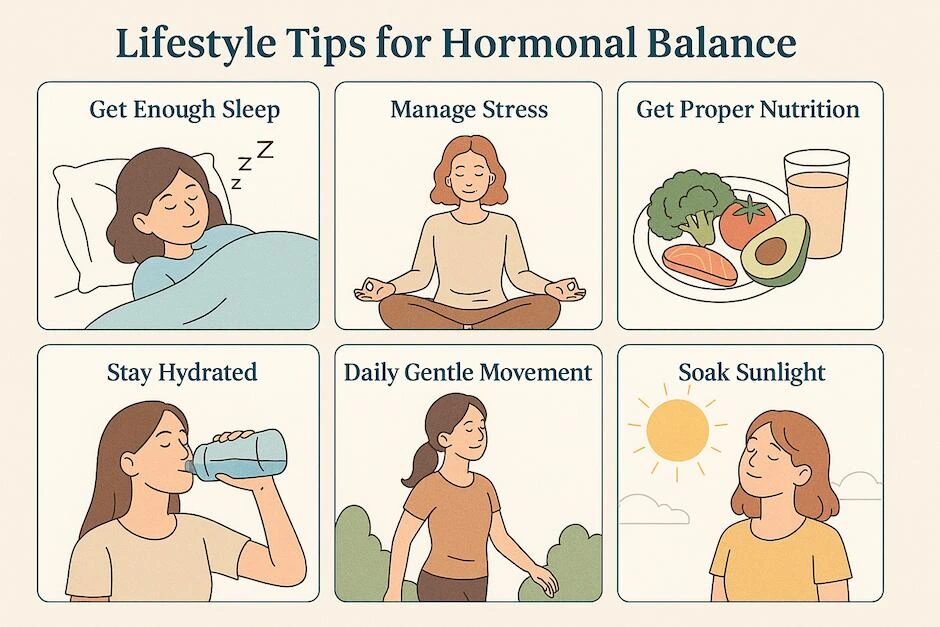
Functional medicine does not reject hormone therapy—it optimizes it.
When hormone replacement is appropriate, we ensure it is used safely and strategically as part of a comprehensive plan.
Advanced Hormone Testing
We use detailed lab testing to assess:
- Sex hormones
- Thyroid function
- Cortisol patterns
- Insulin and metabolic markers
- Inflammatory markers
This allows for precise, individualized treatment.
Personalized Hormone Support
When HRT is recommended, it is:
- Tailored to your body’s needs
- Adjusted based on lab data and symptoms
- Monitored regularly for safety and effectiveness
Lifestyle and Nutritional Support
Hormone therapy works best when supported by:
- Anti-inflammatory nutrition
- Blood sugar regulation
- Stress management
- Sleep optimization
Detoxification and Gut Support
Supporting detox pathways and gut health helps the body process hormones properly, reducing side effects and improving outcomes.
Benefits of a Functional Medicine Approach to HRT
Patients who follow a functional medicine-based hormone program often experience:
- Improved energy and mental clarity
- Better sleep
- Stabilized mood
- Healthier metabolism
- Reduced inflammation
- Improved quality of life
Rather than masking symptoms, functional medicine creates the conditions for long-term hormonal balance.
Why Patients in Charleston Choose Merge Medical Center
Patients across Charleston, Mount Pleasant, and surrounding South Carolina communities choose Merge Medical Center because we offer:
- Root-cause, functional medicine care
- Personalized hormone treatment plans
- Advanced laboratory testing
- Holistic, whole-body strategies
- Focus on long-term wellness—not quick fixes
We believe hormone replacement therapy should support health—not create new problems.
When to Seek Help
If you’re experiencing symptoms such as fatigue, weight changes, mood swings, sleep issues, or hormonal changes, it may be time to look deeper.
Early evaluation and personalized care can prevent worsening imbalance and improve long-term outcomes.
Final Thoughts: A Smarter Way to Approach Hormone Therapy
Hormone replacement therapy is not just about adding hormones—it’s about restoring balance.
Instead of asking:
“How do I replace what’s missing?”
Ask:
“Why is my body out of balance—and how can I support it?”
At Merge Medical Center in Charleston, we help you answer that question and guide you toward a safer, more sustainable path to hormonal health.
Your hormones don’t work alone—and neither should your treatment.