


A Functional Medicine Approach at Merge Medical Center in Charleston, South Carolina
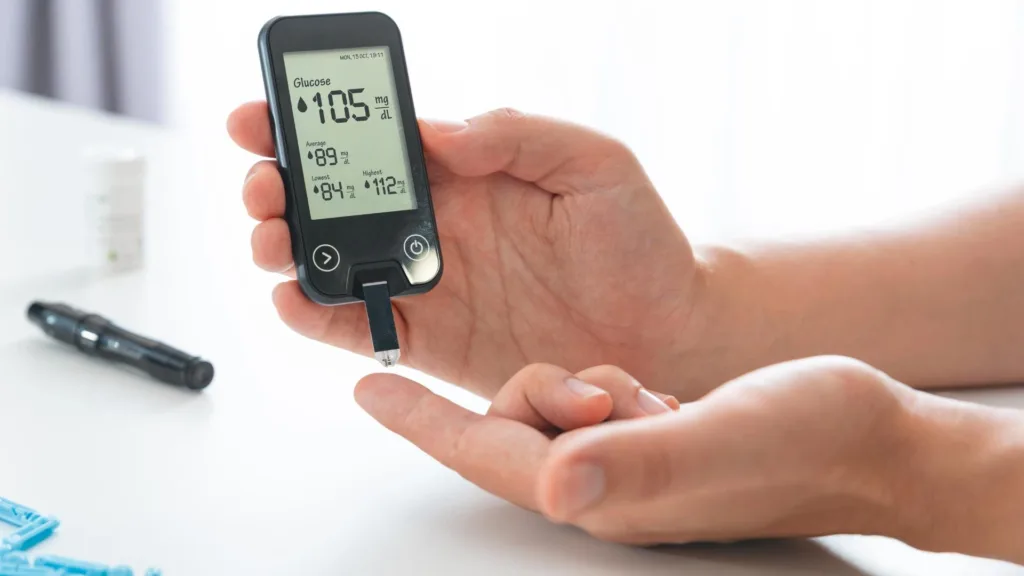
Prediabetes is one of the most overlooked health conditions today—and one of the most important to catch early. Millions of people are living with it without even realizing it. It often has no obvious symptoms, yet it silently increases your risk for serious chronic conditions, including type 2 diabetes, heart disease, and metabolic dysfunction.
At Merge Medical Center in Charleston, South Carolina, prediabetes is not seen as a diagnosis to “watch and wait”—it’s viewed as a critical opportunity to intervene, reverse course, and restore health naturally.
In this comprehensive guide, we’ll break down what prediabetes really is, why it happens, and how a functional medicine approach can help you regain control of your health before it progresses.
What Is Prediabetes?
Prediabetes occurs when blood sugar levels are higher than normal but not yet high enough to be diagnosed as type 2 diabetes.
Key Markers Include:
- Fasting blood glucose: 100–125 mg/dL
- Hemoglobin A1C: 5.7%–6.4%
This condition indicates that your body is beginning to struggle with blood sugar regulation, often due to insulin resistance.
Why Prediabetes Is a Big Deal
Many people think prediabetes isn’t serious—but that couldn’t be further from the truth.
Without intervention:
- Up to 70% of people may develop type 2 diabetes
- Risk of cardiovascular disease increases
- Chronic inflammation begins to rise
- Hormonal imbalances can worsen
The good news?
👉 Prediabetes is often reversible—especially when addressed early.
What Causes Prediabetes?

Prediabetes doesn’t happen overnight. It develops over time due to a combination of lifestyle, environmental, and metabolic factors.
Common Root Causes Include:
- Insulin resistance
- High sugar and processed food intake
- Chronic stress
- Poor sleep
- Sedentary lifestyle
- Hormonal imbalances
- Gut dysfunction
At Merge Medical Center, the goal is to identify your specific triggers, not just label the condition.
Understanding Insulin Resistance
At the core of prediabetes is insulin resistance.
Insulin is the hormone that helps move sugar from your bloodstream into your cells for energy. When your body becomes resistant to insulin:
- Cells stop responding effectively
- Blood sugar rises
- The pancreas produces more insulin
- Over time, the system becomes overwhelmed
This is the metabolic imbalance that functional medicine aims to correct.
Early Warning Signs You Shouldn’t Ignore
Prediabetes is often called a “silent condition,” but there are subtle clues your body may be giving you:
- Fatigue, especially after meals
- Sugar or carbohydrate cravings
- Brain fog
- Weight gain (especially around the abdomen)
- Frequent hunger
- Difficulty losing weight
If you’re experiencing these symptoms, it may be time to take a closer look.
The Functional Medicine Approach to Prediabetes
At Merge Medical Center in Charleston, prediabetes is approached through a root-cause, whole-body strategy.
Instead of simply monitoring blood sugar, practitioners focus on:
- Restoring metabolic balance
- Improving insulin sensitivity
- Reducing inflammation
- Supporting long-term health
Advanced Testing: Looking Deeper Than Standard Labs

Traditional care often relies on basic glucose tests. Functional medicine goes further.
At Merge Medical Center, testing may include:
- Comprehensive metabolic panels
- Fasting insulin levels
- A1C trends over time
- Inflammatory markers
- Hormone panels
- Gut health analysis
This allows for a highly personalized treatment plan.
Nutrition: The Cornerstone of Reversal

Food plays a central role in managing and reversing prediabetes.
Functional Nutrition Focuses On:
1. Stabilizing Blood Sugar
- Balanced meals with protein, healthy fats, and fiber
- Avoiding spikes and crashes
2. Reducing Inflammation
- Whole, nutrient-dense foods
- Eliminating processed and refined sugars
3. Supporting Metabolism
- Timing meals strategically
- Avoiding late-night eating
Foods That Support Blood Sugar Balance
- Leafy greens
- Lean proteins
- Healthy fats (olive oil, avocado)
- Nuts and seeds
- Low-glycemic fruits
Foods to Limit
- Sugary drinks
- Refined carbohydrates
- Ultra-processed foods
- Trans fats
At Merge Medical Center, nutrition plans are customized to each patient’s needs and lifestyle.
Movement: A Powerful Tool for Reversing Prediabetes

Exercise is one of the most effective ways to improve insulin sensitivity.
Benefits Include:
- Lower blood sugar levels
- Increased energy
- Improved metabolism
Functional Approach:
- Start where you are
- Focus on consistency over intensity
- Combine strength training and walking
Even small changes—like daily walks—can make a significant impact
The Role of Stress in Blood Sugar Imbalance
Chronic stress plays a major role in prediabetes.
When stress levels are high:
- Cortisol increases
- Blood sugar rises
- Insulin resistance worsens
Stress-Reduction Strategies Include:
- Mindfulness and meditation
- Deep breathing exercises
- Nervous system regulation
At Merge Medical Center, stress is treated as a key metabolic factor, not just an emotional issue.
Sleep and Blood Sugar: The Hidden Connection
Poor sleep can significantly impact blood sugar regulation.
Lack of sleep:
- Increases insulin resistance
- Triggers cravings
- Disrupts hormones
Improving Sleep Includes:
- Establishing a consistent routine
- Reducing screen time at night
- Supporting circadian rhythm
Hormones and Prediabetes
Hormonal imbalances can contribute to metabolic dysfunction.
Common Connections:
- Cortisol (stress hormone)
- Thyroid function
- Estrogen and testosterone
Functional medicine evaluates and balances hormones to support overall metabolic health.
Gut Health and Blood Sugar
Your gut microbiome plays a surprising role in blood sugar regulation.
An unhealthy gut can:
- Increase inflammation
- Affect insulin sensitivity
- Contribute to cravings
Functional Support Includes:
- Probiotics and prebiotics
- Gut-healing protocols
- Dietary adjustments
Supplements: Targeted Support for Metabolic Health
Supplements may be recommended based on individual needs.
Common Categories Include:
- Magnesium
- Omega-3 fatty acids
- Vitamin D
- Blood sugar-support nutrients
At Merge Medical Center, supplements are strategic—not generic.
Can Prediabetes Be Reversed?
Yes—many patients successfully reverse prediabetes with the right approach.
Key Factors for Success:
- Early intervention
- Consistency
- Personalized care
- Addressing root causes
Functional medicine provides a roadmap for long-term success—not temporary fixes.
Why Choose Merge Medical Center in Charleston, SC?
Patients across Charleston and surrounding areas choose Merge Medical Center because they want:
- Personalized, root-cause care
- A holistic approach to metabolic health
- Long-term solutions—not quick fixes
What Makes Them Different?
- Comprehensive testing
- Individualized treatment plans
- Focus on prevention and reversal
- Supportive, patient-centered care
A Day in a Blood Sugar–Balanced Lifestyle
Here’s what a typical day might look like:
Morning:
- Protein-rich breakfast
- Light movement
- Hydration
Afternoon:
- Balanced lunch
- Stress management
- Short walk
Evening:
- Nutrient-dense dinner
- Relaxation routine
- Quality sleep
Small, consistent habits create powerful results over time.
When Should You Take Action?
If you’ve been told you have prediabetes—or suspect you might—don’t wait.
Early action can:
- Prevent type 2 diabetes
- Improve energy and focus
- Reduce long-term health risks
Don’t Ignore the Warning Sign
Prediabetes is your body’s way of saying something is out of balance—but it’s also an opportunity.
At Merge Medical Center in Charleston, South Carolina, patients are empowered to take control of their health through functional medicine, personalized care, and sustainable lifestyle changes.
You don’t have to wait for a diagnosis to take action.
You can start rebuilding your health today.