


Functional Medicine Insights from Merge Medical Center
Hormones influence almost every system in the body. They help regulate your metabolism, sleep, mood, energy, reproductive health, appetite, stress response, and even how your body responds to inflammation.
When hormones are balanced, you may feel energized, focused, emotionally stable, and generally well. But when something becomes disrupted, the symptoms can be subtle—or they can affect nearly every part of your daily life.
You may find yourself saying:
“I don’t feel like myself anymore.”
Maybe you’re exhausted despite getting enough sleep. Perhaps you’ve gained weight without changing your diet, your periods have become irregular, your mood seems unpredictable, or you’re struggling with brain fog and low motivation.
These symptoms are easy to dismiss. But they may be signals that your hormones need attention.
At Merge Medical Center in Charleston, South Carolina, we take a functional medicine approach to hormone health. Rather than simply treating individual symptoms, our goal is to understand what may be contributing to hormonal imbalance and develop a personalized approach to help restore balance and support your overall health.
What Are Hormones?

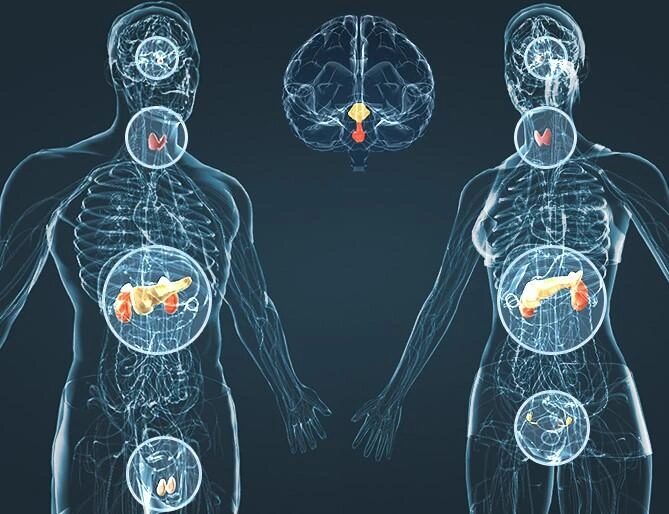
Hormones are chemical messengers produced by glands and tissues throughout the body. They travel through the bloodstream and communicate with different organs, helping coordinate essential processes.
Some of the hormones that play important roles in overall health include:
- Thyroid hormones
- Estrogen
- Progesterone
- Testosterone
- Cortisol
- Insulin
- DHEA
- Melatonin
These hormones don’t work independently. They interact with one another and with systems such as the nervous system, digestive system, immune system, and metabolism.
That is why a hormone imbalance may show up in unexpected ways.
For example, a person experiencing thyroid dysfunction may notice fatigue, constipation, difficulty losing weight, or feeling unusually cold. Someone experiencing changes in estrogen or progesterone may notice changes in their menstrual cycle, sleep, mood, or body composition.
Understanding the bigger picture is an important part of functional medicine.
10 Signs Your Hormones May Be Out of Balance
Hormonal symptoms can vary considerably from person to person. However, there are several common signs that deserve attention.
1. You’re Constantly Tired
Everyone gets tired occasionally. But persistent fatigue that doesn’t improve with adequate sleep shouldn’t simply be accepted as part of getting older or having a busy life.
Hormonal factors that may contribute to fatigue include:
- Thyroid dysfunction
- Cortisol dysregulation
- Blood sugar imbalance
- Changes in estrogen or progesterone
- Low testosterone
- Nutrient deficiencies
Fatigue can have many possible causes, so the goal isn’t to assume hormones are responsible. Instead, a comprehensive evaluation can help determine what may be contributing to your symptoms.
2. You’re Gaining Weight Without Obvious Changes
Unexplained weight gain or difficulty losing weight can be frustrating, particularly when you’re eating well and exercising consistently.
Hormones involved in metabolism include insulin, thyroid hormones, cortisol, estrogen, and testosterone.
For example, insulin resistance can make it more difficult for the body to regulate blood sugar and can contribute to changes in body composition.
Thyroid dysfunction can also affect metabolism and energy levels.
Functional medicine looks beyond the number on the scale to understand the metabolic factors that may be influencing your weight.
3. You’re Experiencing Brain Fog
Brain fog is often described as:
- Difficulty concentrating
- Forgetfulness
- Trouble finding words
- Poor mental clarity
- Difficulty staying focused
Hormonal changes can influence cognitive function, particularly changes involving thyroid hormones, estrogen, progesterone, cortisol, and blood sugar regulation.
Brain fog shouldn’t automatically be attributed to hormones, however. Sleep quality, nutritional deficiencies, stress, medications, inflammation, and other health conditions can also contribute.
This is why looking at the whole person is so important.
4. Your Sleep Has Changed
Hormones and sleep have a close relationship.
Cortisol follows a natural daily rhythm, typically rising in the morning and gradually declining throughout the day. Melatonin helps signal to your body that it is time to sleep.
Changes in stress, lifestyle, reproductive hormones, or other health conditions can interfere with this rhythm.
You may notice:
- Difficulty falling asleep
- Waking during the night
- Waking too early
- Feeling tired despite sleeping
- Changes in your sleep pattern during your menstrual cycle
Poor sleep can then create additional hormonal and metabolic stress, creating a cycle that can be difficult to break.
5. Your Menstrual Cycle Has Changed
For women, changes in the menstrual cycle can provide important clues about hormonal health.
Pay attention to changes such as:
- Irregular periods
- Very heavy periods
- Short or unusually long cycles
- Changes in menstrual flow
- Increased PMS
- Painful periods
- Missed periods
Estrogen, progesterone, thyroid hormones, insulin, and other factors can influence the menstrual cycle.
Changes may occur during different stages of life, including the reproductive years, perimenopause, and menopause. However, significant or persistent changes deserve a conversation with a qualified healthcare professional.
6. Your Mood Feels Different
Hormones interact closely with the brain and nervous system.
Changes in hormonal signaling may be associated with:
- Irritability
- Mood swings
- Anxiety
- Low mood
- Reduced motivation
- Increased emotional sensitivity
Stress can also affect hormone regulation, making the relationship bidirectional.
This is one reason functional medicine considers mental and emotional well-being an important part of whole-person health.
7. Your Libido Has Decreased
A lower sex drive can have many causes, including relationship factors, medications, stress, sleep deprivation, and physical health.
Hormones can also play a role.
Changes in estrogen, progesterone, testosterone, thyroid function, and cortisol may affect libido and sexual well-being.
Rather than assuming that low libido is simply a normal part of aging, it’s worth exploring whether there are underlying factors that can be addressed.
8. You Notice Hair, Skin, or Body Changes
Hormonal changes can sometimes show up externally.
Potential signs include:
- Thinning hair
- Increased facial hair
- Acne
- Dry skin
- Changes in skin texture
- Hair loss
- Changes in body composition
Androgens, thyroid hormones, estrogen, and other hormones can influence skin and hair.
These symptoms can also have non-hormonal causes, which is why testing and a thorough health history are important.
9. You’re Experiencing Increased Anxiety or Feeling “Wired but Tired”
Do you feel exhausted but unable to slow down?
Chronic stress can influence the body’s stress response and cortisol rhythm. Over time, this may contribute to difficulty sleeping, fatigue, changes in appetite, and difficulty recovering from everyday stress.
Functional medicine looks at the relationship between:
Stress → sleep → hormones → metabolism → inflammation
rather than treating each symptom as an isolated problem.
10. Your Blood Sugar Seems Unstable
Hormonal health and metabolic health are closely connected.
Insulin is one of the body’s most important metabolic hormones. When insulin regulation becomes impaired, you may experience symptoms such as:
- Energy crashes
- Increased hunger
- Sugar cravings
- Difficulty losing weight
- Feeling shaky or irritable when hungry
These symptoms don’t necessarily mean you have a hormone disorder, but they may warrant further evaluation.
Why Hormonal Imbalances Happen

Hormonal imbalance isn’t caused by one thing.
Potential contributing factors include:
Chronic stress
Long-term stress can affect the body’s hormonal signaling and sleep patterns.
Poor sleep
Inadequate or disrupted sleep can affect metabolism, appetite, stress hormones, and overall well-being.
Nutrition
Insufficient nutrients, excessive processed foods, and blood sugar instability may influence metabolic and hormonal health.
Thyroid dysfunction
The thyroid plays a major role in metabolism, energy production, temperature regulation, and many other body functions.
Insulin resistance
Metabolic dysfunction can influence multiple hormonal pathways.
Reproductive transitions
Puberty, pregnancy, postpartum changes, perimenopause, and menopause can all involve significant hormonal changes.
Environmental exposures
Certain environmental chemicals can interfere with endocrine signaling. Reducing unnecessary exposure can be one component of a broader healthy lifestyle.
Why Functional Medicine Looks Deeper
A conventional approach may focus on whether a particular hormone falls within a laboratory reference range.
Functional medicine asks additional questions:
How are you feeling?
What has changed?
What patterns do your symptoms reveal?
How are your sleep, nutrition, stress, digestion, metabolism, and hormones connected?
This doesn’t mean every symptom is caused by a hormone imbalance. Instead, functional medicine aims to understand the entire picture before creating a personalized plan.
What Hormone Testing May Look Like
Depending on your symptoms and health history, your provider may consider evaluating areas such as:
- Thyroid function
- Blood glucose and insulin
- Sex hormones
- Cortisol
- Nutritional status
- Inflammatory markers
- Metabolic health
Testing should be individualized. More testing isn’t always better; the goal is to choose testing that provides useful information for your particular situation.
Hormone Health Starts With the Basics
Before reaching for supplements or hormone therapies, there are foundational areas that deserve attention.
Prioritize Protein and Nutrient-Dense Foods
Your body requires adequate nutrients to produce hormones and support metabolic function.
Build meals around:
- Quality protein
- Vegetables
- Fiber-rich foods
- Healthy fats
- Minimally processed carbohydrates
Support Healthy Blood Sugar
Pairing carbohydrates with protein, fiber, and healthy fats can help create more balanced meals.
Regular physical activity also improves insulin sensitivity.
Protect Your Sleep
Aim for a consistent sleep and wake schedule and create a relaxing nighttime environment.
Good sleep is one of the most powerful tools available for supporting overall hormonal health.
Manage Chronic Stress
Stress can’t always be eliminated, but your response to stress can be supported.
Consider:
- Walking outdoors
- Breathing exercises
- Meditation
- Strength training
- Yoga
- Time away from screens
- Healthy social connections
Move Your Body
Exercise supports metabolic health, cardiovascular health, mood, sleep, and insulin sensitivity.
The best exercise program is one you can maintain consistently.
Hormone Health During Perimenopause and Menopause
Hormonal changes become particularly noticeable for many women during perimenopause and menopause.
Symptoms may include:
- Hot flashes
- Night sweats
- Sleep disruption
- Mood changes
- Brain fog
- Changes in body composition
- Vaginal dryness
- Reduced libido
These changes are common, but that doesn’t mean you have to suffer through them without support.
A comprehensive evaluation can help determine which symptoms may be related to hormonal changes and what treatment options may be appropriate for you.
Hormone Health Is About More Than Hormones
One of the most important concepts in functional medicine is that hormones exist within a larger network.
Your:
Gut health
affects
Nutrient absorption and inflammation
which can influence
Metabolic and hormonal health
while:
Stress and poor sleep
can affect
Cortisol and blood sugar regulation
which can further influence
Energy, mood, and reproductive health.
This interconnectedness is why addressing only one hormone may not always resolve the underlying problem.
When Should You Seek a Hormone Evaluation?

Consider talking with a healthcare professional if you’re experiencing persistent or unexplained:
- Fatigue
- Weight changes
- Sleep problems
- Brain fog
- Mood changes
- Irregular periods
- Hot flashes
- Low libido
- Hair or skin changes
- Blood sugar concerns
You don’t need to wait until symptoms become severe.
Your symptoms are information.
A Functional Medicine Approach at Merge Medical Center
At Merge Medical Center in Charleston, South Carolina, our functional medicine approach is centered around understanding the individual—not simply treating a lab result.
We consider your symptoms, history, lifestyle, nutrition, metabolic health, and other relevant factors when developing a personalized approach.
Our goal is to help patients better understand their bodies and identify opportunities to improve their health from the inside out.
Whether you’re experiencing fatigue, unexplained weight changes, reproductive hormone concerns, thyroid symptoms, or changes associated with perimenopause and menopause, a comprehensive evaluation can be an important first step.
Your Body May Be Trying to Tell You Something
Hormonal imbalance isn’t always obvious.
Sometimes it looks like exhaustion. Sometimes it’s brain fog. Sometimes it’s weight that suddenly seems impossible to lose. Sometimes it’s a period that has become unpredictable or sleep that no longer feels restorative.
These symptoms shouldn’t automatically be blamed on hormones—but they shouldn’t automatically be dismissed either.
Your body is constantly communicating with you.
The goal of functional medicine is to listen.
If you’re in the Charleston, South Carolina area and you’re experiencing persistent symptoms that make you feel unlike yourself, Merge Medical Center can help you take a deeper look at your overall health and identify the factors that may be contributing to how you feel.
Because feeling well isn’t simply about having “normal” lab results.
It’s about helping your body function at its best.