


A Comprehensive Guide to Causes, Symptoms, and Holistic Support
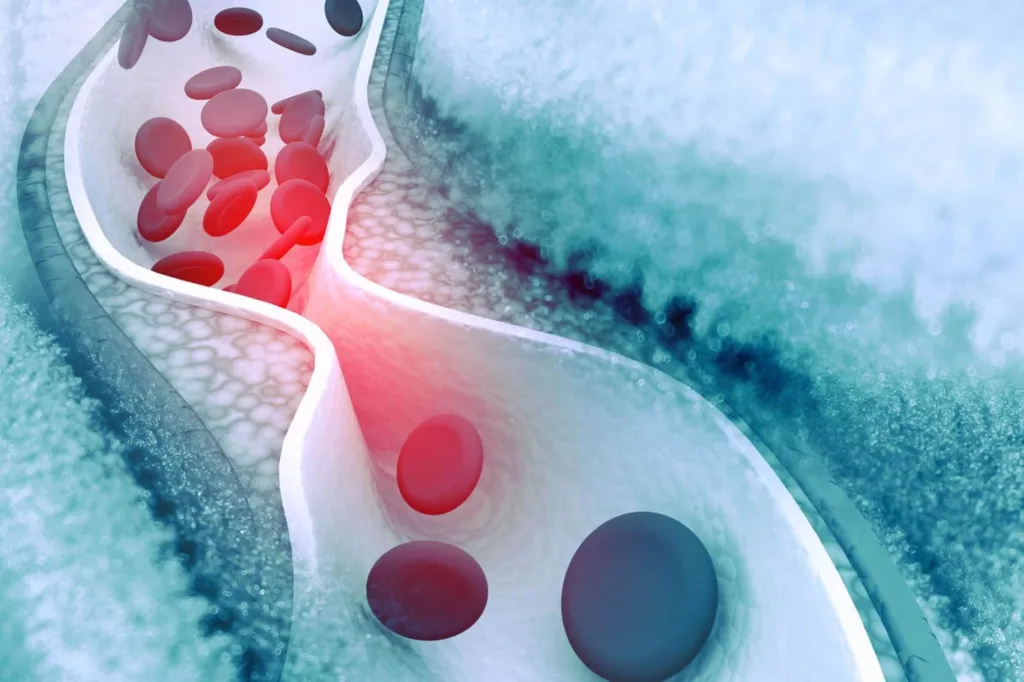
When it comes to chronic inflammatory conditions, few are as complex—and often misunderstood—as Vasculitis. Affecting the blood vessels that carry oxygen and nutrients throughout the body, vasculitis can disrupt nearly every organ system and lead to a wide range of symptoms.
For many individuals, the journey to diagnosis is long and confusing. Symptoms may come and go, mimic other conditions, or appear unrelated at first. Understanding vasculitis is the first step toward taking control of your health and exploring effective treatment options.
In this in-depth guide, we’ll explore what vasculitis is, why it develops, how it presents, and how both conventional and holistic approaches can support long-term healing.
What Is Vasculitis?
Vasculitis refers to a group of disorders characterized by inflammation of the blood vessels—arteries, veins, and capillaries. When these vessels become inflamed, they can:
- Thicken
- Weaken
- Narrow
- Scar
This disrupts normal blood flow, which can reduce oxygen delivery to tissues and organs.
Depending on the type and severity, vasculitis can affect:
- Skin
- Joints
- Lungs
- Kidneys
- Brain
- Nerves
Because blood vessels are everywhere in the body, vasculitis has the potential to cause widespread symptoms.
Types of Vasculitis
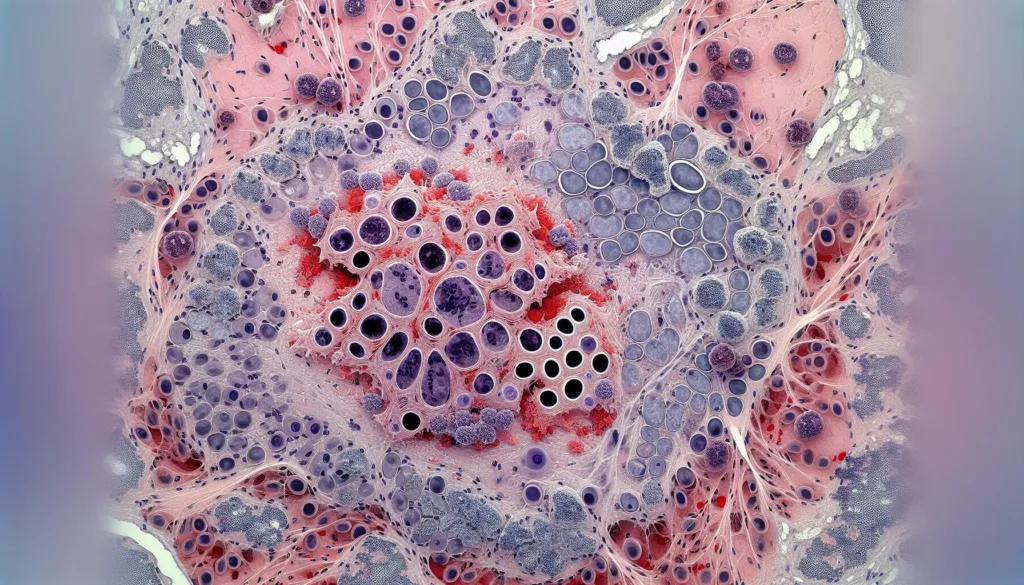
There are many forms of vasculitis, often categorized by the size of the blood vessels affected.
Large Vessel Vasculitis
This type affects the largest arteries in the body.
Examples include:
- Giant Cell Arteritis
- Takayasu Arteritis
These conditions often impact blood flow to the head, neck, and upper body.
Medium Vessel Vasculitis
This type affects medium-sized arteries.
Examples include:
- Polyarteritis Nodosa
- Kawasaki Disease
These conditions can impact organs such as the heart, kidneys, and digestive system.
Small Vessel Vasculitis
This type affects the smallest blood vessels, including capillaries.
Examples include:
- Granulomatosis with Polyangiitis
- Microscopic Polyangiitis
- Henoch-Schönlein Purpura
These are often associated with autoimmune dysfunction.
What Causes Vasculitis?

The exact cause of vasculitis is not always known, but it is frequently linked to immune system dysfunction.
In many cases, vasculitis is considered an autoimmune condition—meaning the immune system mistakenly attacks blood vessels.
Potential triggers include:
1. Autoimmune Disorders
Vasculitis may occur alongside other autoimmune diseases such as:
- Rheumatoid Arthritis
- Systemic Lupus Erythematosus
2. Infections
Certain infections can trigger inflammation in blood vessels.
Examples include:
- Viral infections
- Bacterial infections
3. Medications
Some drugs may cause an immune reaction that leads to vasculitis.
4. Genetic and Environmental Factors
A combination of genetic susceptibility and environmental exposure may increase risk.
Symptoms of Vasculitis
Vasculitis symptoms can vary widely depending on which blood vessels and organs are affected.
General Symptoms
- Fever
- Fatigue
- Weight loss
- Muscle aches
Skin Symptoms
- Rash
- Purple spots (purpura)
- Ulcers
Organ-Specific Symptoms
Lungs
- Shortness of breath
- Cough
Kidneys
- High blood pressure
- Blood in urine
Nervous System
- Numbness
- Weakness
Joints
- Pain
- Swelling
Because symptoms can affect multiple systems, vasculitis is often difficult to diagnose early.
Why Vasculitis Can Be Difficult to Diagnose
One of the biggest challenges with vasculitis is that symptoms often mimic other conditions.
Diagnosis typically involves:
- Blood tests
- Imaging (CT scans, MRIs)
- Biopsies of affected tissue
Even with testing, diagnosis may take time—especially in early stages.
The Role of Inflammation in Vasculitis
Inflammation is at the core of vasculitis.
When the immune system becomes overactive, it attacks the blood vessels, leading to:
- Damage to vessel walls
- Reduced blood flow
- Tissue injury
Understanding what is driving this inflammation is key to effective treatment.
Conventional Treatment Options
Standard medical treatments for vasculitis often focus on suppressing the immune system.
These may include:
- Corticosteroids
- Immunosuppressive medications
- Biologic therapies
While these treatments can be life-saving, they may also come with side effects and do not always address underlying triggers.
A Holistic and Functional Perspective

Functional medicine offers a complementary approach by focusing on root causes and whole-body health.
Instead of asking:
“How do we suppress the immune system?”
We ask:
“Why is the immune system overreacting?”
This perspective looks at:
- Gut health
- Chronic inflammation
- Environmental exposures
- Nutrient status
- Stress levels
Root Causes and Contributing Factors
1. Gut Health and Immune Function
The gut plays a central role in regulating the immune system.
Disruptions in gut health may lead to:
- Increased inflammation
- Immune dysregulation
- Autoimmune activation
2. Chronic Inflammation
Persistent inflammation can keep the immune system in an overactive state.
Common contributors include:
- Poor diet
- Stress
- Environmental toxins
3. Nutrient Deficiencies
Nutrients are essential for immune balance.
Deficiencies in vitamins and minerals can impair the body’s ability to regulate inflammation.
4. Stress and the Nervous System
Chronic stress can:
- Increase inflammation
- Disrupt immune regulation
- Worsen symptoms
Supporting the Body with a Holistic Approach
While vasculitis often requires medical treatment, holistic strategies can support overall health and recovery.
1. Anti-Inflammatory Nutrition
Diet is one of the most powerful tools for reducing inflammation.
Focus on:
- Whole, unprocessed foods
- Fruits and vegetables
- Healthy fats
Avoid:
- Processed foods
- Sugar
- Refined carbohydrates
2. Gut Health Support
Improving gut health can help regulate the immune system.
Strategies include:
- Probiotics
- Fiber-rich foods
- Eliminating trigger foods
3. Stress Management
Reducing stress can improve immune balance.
Helpful practices include:
- Meditation
- Breathing exercises
- Gentle movement
4. Lifestyle Optimization
Supporting overall health includes:
- Quality sleep
- Regular movement
- Reducing toxin exposure
Complications of Vasculitis
If left untreated, vasculitis can lead to serious complications, including:
- Organ damage
- Blood clots
- Aneurysms
- Nerve damage
Early diagnosis and treatment are essential.
Living with Vasculitis
Managing vasculitis often requires a long-term approach.
Many patients benefit from:
- Ongoing medical care
- Lifestyle adjustments
- Holistic support strategies
With proper care, many individuals are able to manage symptoms and maintain a good quality of life.
When to Seek Medical Attention

You should seek medical care if you experience:
- Persistent unexplained symptoms
- Signs of organ involvement
- Severe fatigue or weight loss
Early intervention can significantly improve outcomes.
Final Thoughts: Understanding and Empowerment
Vasculitis is a complex condition—but understanding it is a powerful step toward better health.
Instead of viewing it as just a diagnosis, consider it a signal that something deeper is happening within the body.
By combining conventional medical care with a holistic perspective, many patients find new pathways to healing and improved well-being.
Moving Forward
If you or a loved one has been diagnosed with vasculitis—or is experiencing unexplained symptoms—don’t ignore the signs.
A comprehensive, whole-body approach can make a meaningful difference in how you feel and how you heal.